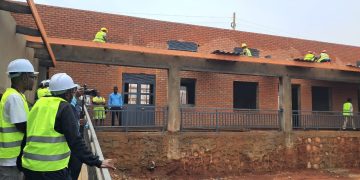



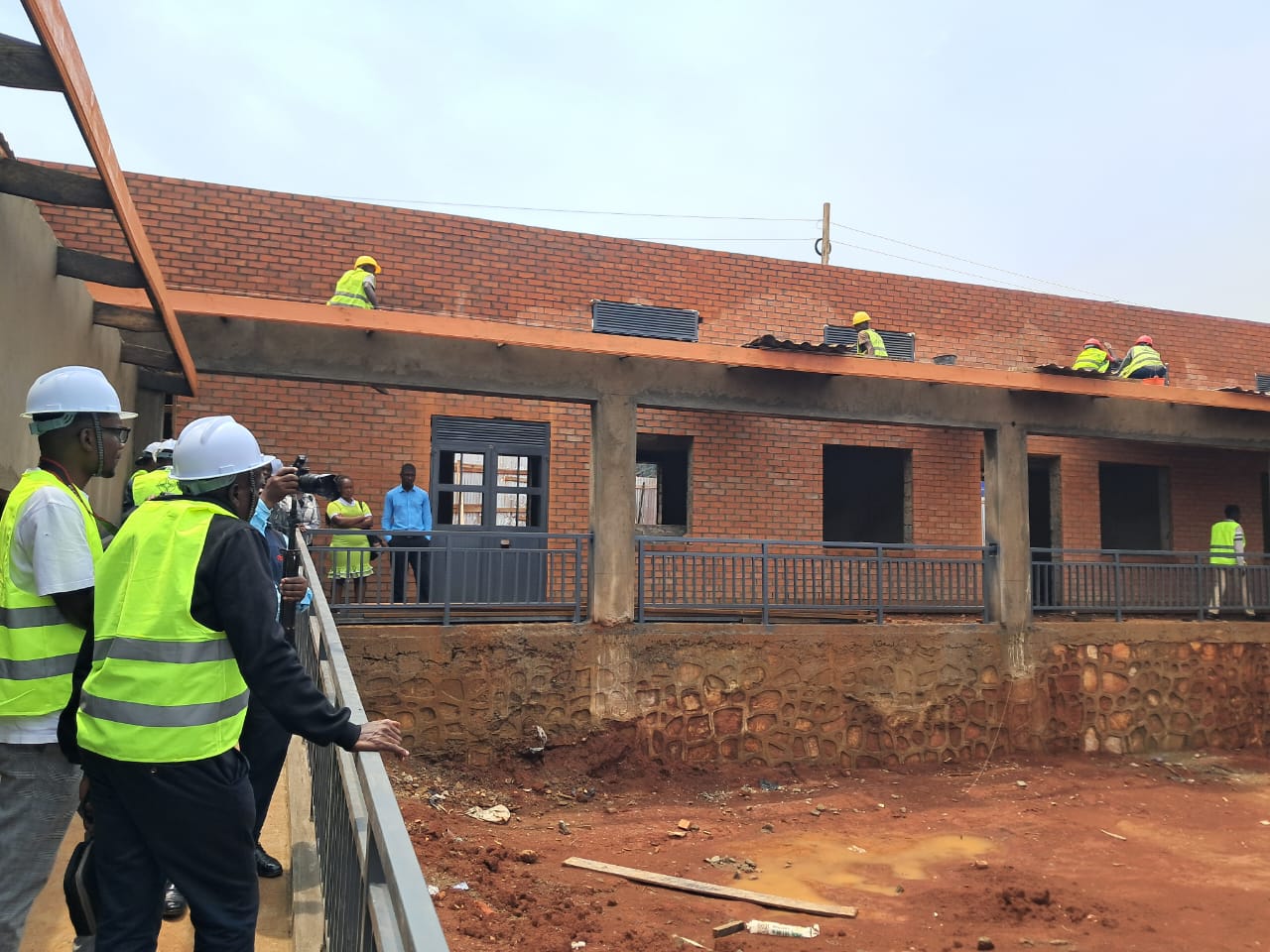
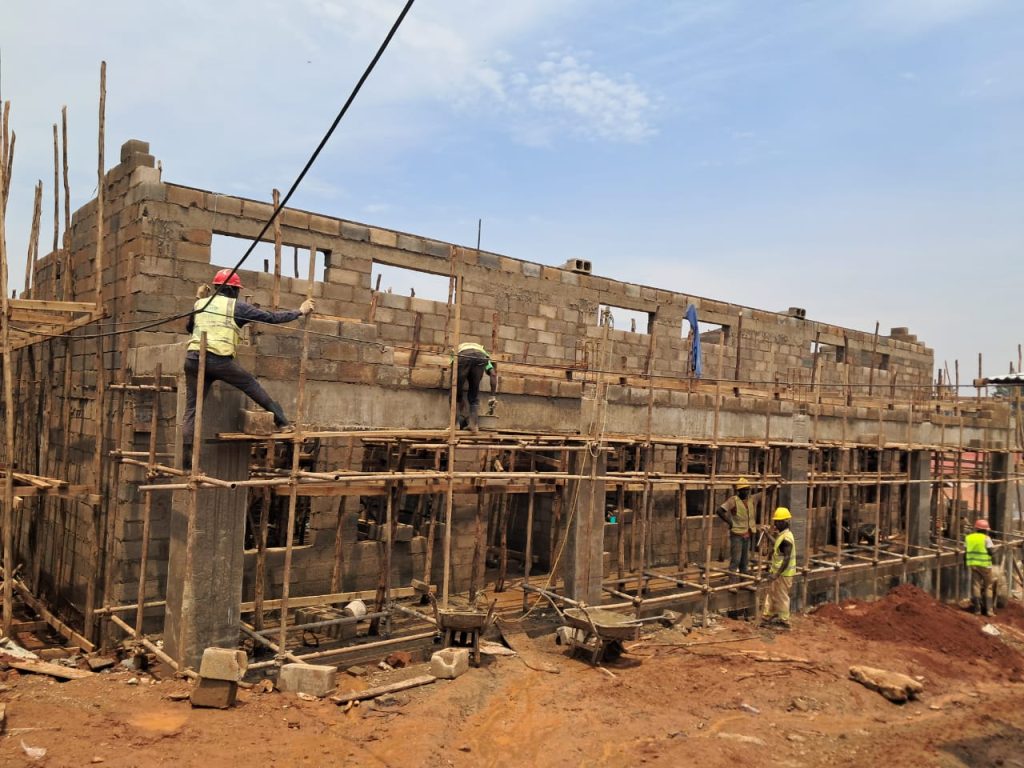
KAMPALA Uganda (UGNEWSLINE) – Roofings Group’s Shs3.5 billion redevelopment of Kasubi Primary School in Kampala has reached 50% completion, with the first phase, comprising 14 classrooms, now about 80% complete as the company moves to improve learning conditions for children in the community.
The project, fully funded by Roofings Group under its Forever Education corporate social responsibility (CSR) programme, aims to transform the government school, which has been in a poor state following years of challenges, including the demolition of some classrooms amid disputes over its land.
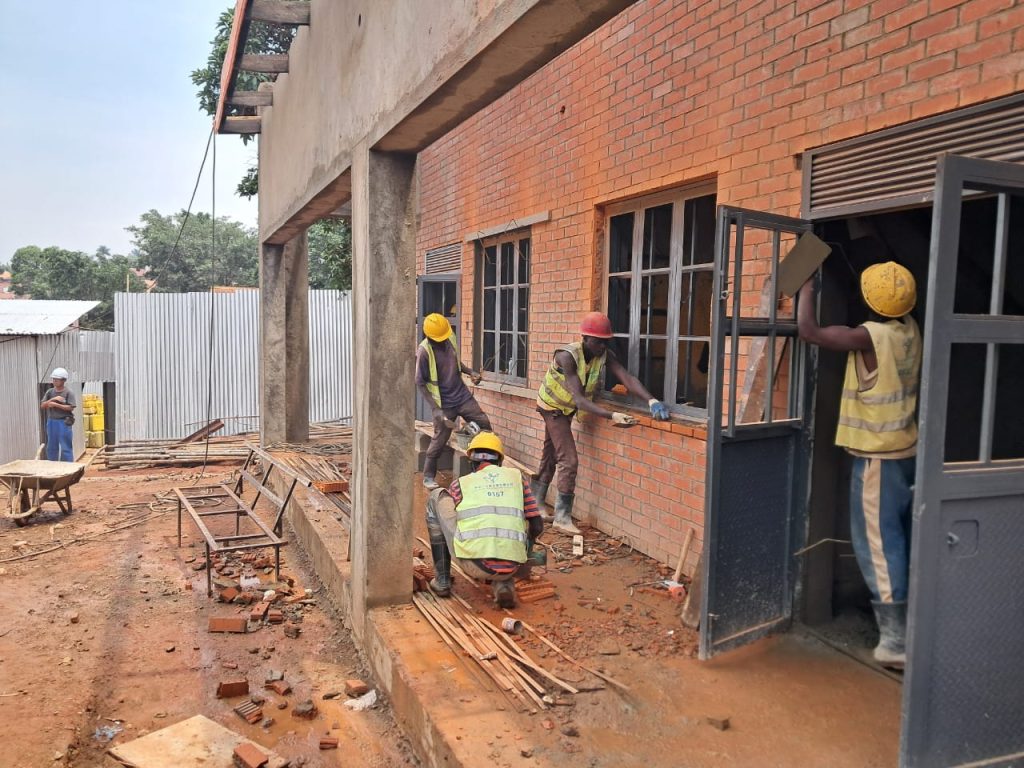 Edwin Abassa, the brand manager at Roofings Group, said the first phase is expected to be completed by the end of October 2026, allowing pupils to move into the new classrooms as construction of the second phase begins.
“We are redeveloping the school fully from the ground up. We are very glad to see the project taking shape and are proud to be part of transforming the Kasubi community,” Abassa said.
He explained that the project is part of the company’s commitment to giving back to communities, following the expansion of its cold-rolling mill production capacity at its plant in Namanve.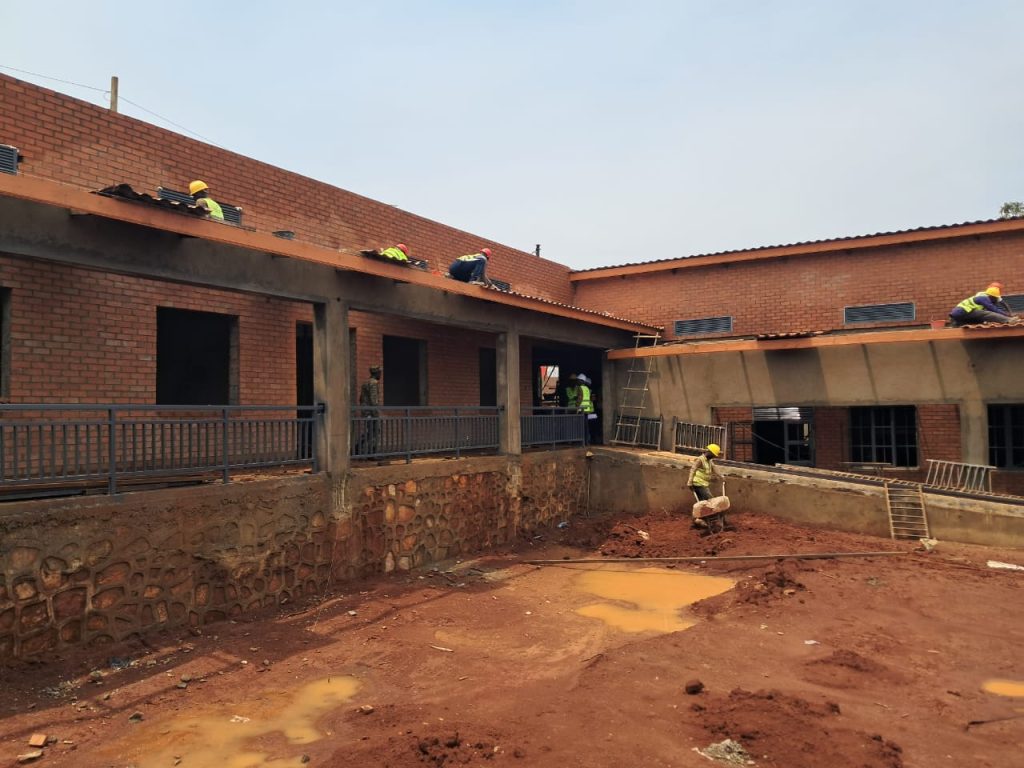 Abassa said the company identified Kasubi Primary School as a priority because of its poor condition and the need to provide children in the area with a better learning environment.
He added that the land-related challenges had been resolved in partnership with Kampala Capital City Authority (KCCA), which owns the school.
Lucky Ninsima, the project lead, said the redevelopment is being implemented in two phases, with the second phase expected to begin in November 2026.
The second phase will include a kindergarten section, a multipurpose hall, staff quarters, a sick bay, a bakery, a canteen and landscaping to improve the school’s overall environment.
Ninsima said the company aims to complete the redevelopment in time for the entire school to occupy the new facilities by May 2027 at the latest.
To ensure learning continues during construction, temporary structures have been provided for pupils. Once the first phase is completed, the learners will move into the new classrooms, allowing the old structures to be demolished to make way for the remaining works.
 However, Ninsima said Roofings’ commitment would go beyond constructing buildings, with plans to support improvements in the quality of education and teaching at the school.
“Our focus is not only to have good buildings, but also to ensure that the quality of education and the teachers in this school are of a high standard,” she said.
She noted that the company would work with KCCA, the contractor, the school and the Kasubi community to ensure the project delivers lasting benefits to learners and future generations.
The redevelopment falls under Roofings Group’s Forever Education initiative, one of three pillars of the company’s CSR programme, alongside Forever Health and Forever Forestry.
Under Forever Education, the company has also supported St Peter’s School in Namanve, located near its industrial plant.
According to Abassa, the school had about 200 pupils when Roofings began supporting it, but its enrolment later grew to approximately 1,200.
The company also provides about 30 scholarships every school term to learners at St Peter’s School, targeting both the best-performing pupils and those from families unable to afford school fees.
Through Forever Health, Roofings provides free oxygen to government hospitals across the country from its oxygen production plant in Namanve. The company also supplied oxygen to hospitals during the COVID-19 pandemic.
Under Forever Forestry, the company distributes free tree seedlings to individuals, churches, organisations and other groups to promote environmental conservation and sustainability.
The Kasubi Primary School redevelopment is expected to provide improved facilities for learners while creating a better environment for teaching and learning in the surrounding community.
For Roofings Group, the investment represents a long-term commitment to education, with the company seeking to ensure that the benefits of the project extend beyond the construction phase to the children who will use the school in the years ahead.