


KAMPALA, Uganda (UGNEWSLINE) – The Judiciary has resolved 64 commercial disputes involving Shs20.67 billion through mediation, in a move aimed at reducing court delays and helping businesses settle disagreements without lengthy trials.
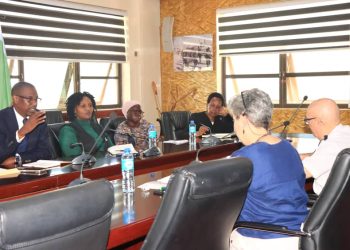
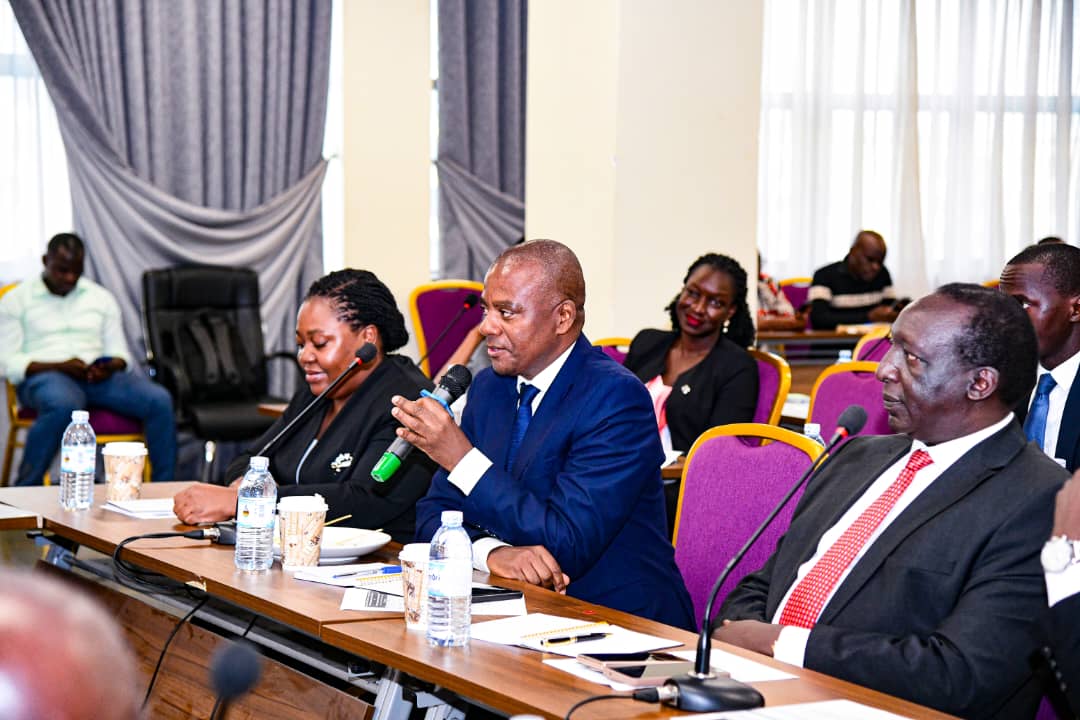
The cases were settled during a 60-day exercise organised by the High Court Commercial Division following its Settlement Fortnight held from August 17 to 30, 2026. The exercise ended on October 17, with the results presented at the Court of Appeal Conference Hall.
Commercial Division head Justice Anna Bitature Mugenyi told the meeting that 452 cases had been assigned to 26 mediators, comprising judicial officers and accredited mediators.
However, only 229 cases were completed during the exercise. Of these, 60 were fully settled and four partially resolved, while the remaining 165 ended without an agreement.
Justice Mugenyi said the exercise was affected by poor case selection, with 117 cases failing to proceed as planned because they were not ready for mediation.
She said the Judiciary needed to identify suitable cases before scheduling mediation sessions to improve the number of disputes resolved in future exercises.
The settlements included 20 cases drawn from 603 pending disputes in the trade, corporate and construction cluster. These cases were valued at Shs7.06 billion, representing 34.2 per cent of the total value of the settlements.
Another 16 cases had been filed in 2025, meaning their resolution helped prevent them from remaining in court for longer.
The oldest dispute resolved had been filed in 2022 and involved Shs282.1 million. It was settled on September 2, 2026.
Justice Mugenyi said 25 of the settled disputes, valued at approximately Shs7.75 billion, involved sectors prioritised under the government’s Tenfold Growth Strategy and the Fourth National Development Plan.
These included agro-industry, tourism, minerals, oil and gas, construction, logistics, electricity, health, science and technology.
She said settling disputes in these areas early could help businesses access money and other resources that would otherwise remain tied up in court battles.
The exercise was, however, affected by several challenges, including judicial officers’ involvement in election petitions, limited office space, inadequate case screening and reluctance among some lawyers to embrace mediation. The transfer of 62 civil suits from which the mediation cases had arisen also affected the process.
To address these problems, Justice Mugenyi proposed creating a committee to assess cases before they are referred for mediation. She also called for early scheduling, timely hearing notices and common performance targets for mediators.
She further recommended that parties attend mediation with authority to make settlement decisions, while accredited mediators should receive fuel allowances to support their work.
Principal Judge Jane Frances Abodo said mediation should be judged not only by the number of cases resolved but also by how it affects relationships, businesses and the economy.
She said the process allows parties to reach mutually acceptable solutions instead of enduring prolonged court battles.
Abodo urged lawyers and litigants to understand the benefits of mediation and called on stakeholders to promote alternative dispute resolution to strengthen public confidence in the Judiciary.
Former Deputy Chief Justice Richard Buteera, who also works as a mediator, welcomed the programme, saying its evaluation had helped identify both achievements and areas requiring improvement.
He urged the Judiciary and other stakeholders to continue supporting mediation and proposed involving the UPDF Engineering Brigade in future engagements on construction disputes.
Lawyer Maxim Mutabingwa called for increased training of advocates, arguing that some lawyers continue to favour conventional court proceedings because they do not fully appreciate mediation.
He urged the Judiciary to expand professional training opportunities, including through international partnerships, and involve more advocates in the process.
The meeting concluded with calls for better case selection, improved logistical support and increased involvement of lawyers and litigants to make future mediation exercises more effective.