


KAMPALA, Uganda (UGNEWSLINE) – The government has developed a list of 68 priority assistive products for persons with disabilities, in a move aimed at improving access to essential devices, reducing their costs and promoting independence among people with disabilities.
The proposed Priority Assistive Products List will guide government procurement, distribution and planning while providing a basis for considering tax exemptions on imported and locally manufactured assistive devices.
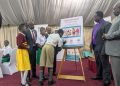
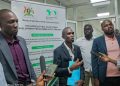
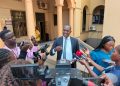
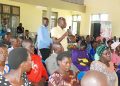
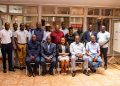
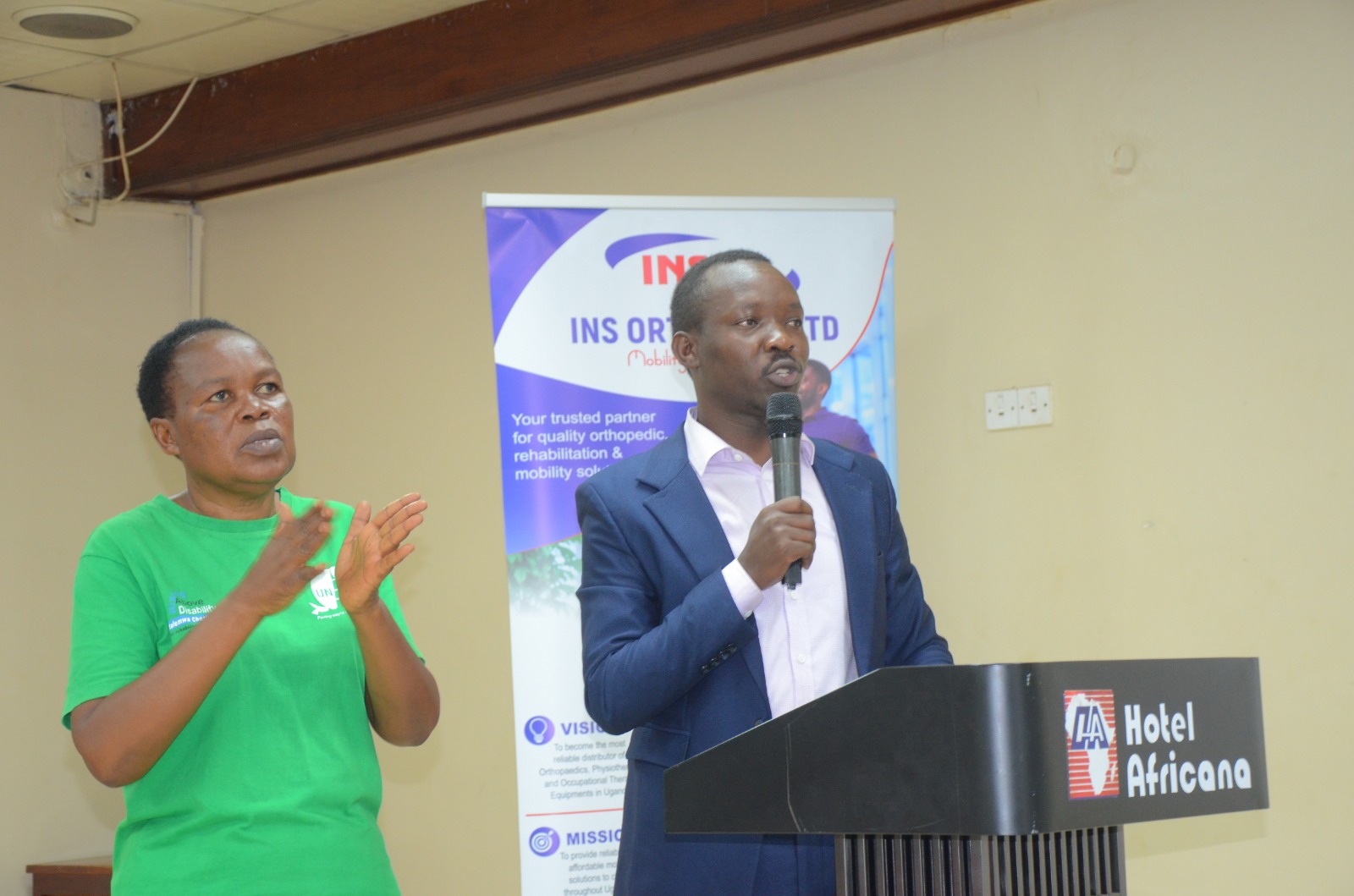
Isaac Okiring, a Technical Adviser on Rehabilitation and Assistive Technology at the Ministry of Health, announced the development during a rehabilitation and assistive technology symposium organised by the National Union of Disabled Persons of Uganda (NUDIPU).
Representing the State Minister for Primary Health Care, Charles Ayume, Okiring said the proposed list would be integrated into the broader Essential Medicines and Health Supplies List, enabling health facilities to plan and budget for assistive products in the same way they do for essential medicines.
He explained that the move would recognise assistive devices as essential healthcare products rather than ordinary consumer commodities, making them eligible for public funding and potentially tax exemptions to reduce their prices.
The list is awaiting approval by the Ministry of Health’s top management, with the ministry expecting to complete the process before the end of the year.
Some of the products identified include spectacles for near and long-distance vision, sunglasses and sunscreens for people with albinism, wheelchairs, crutches, prostheses, orthoses, incontinence products, tactile computers and pill organisers to help older people manage their medication.
The initiative is part of the National Rehabilitation and Assistive Technology Strategic Plan 2025–2030 and follows the World Health Organisation’s efforts to encourage countries to develop priority lists after publishing its own list of 50 essential assistive products in 2016.
Okiring said the government is also implementing another initiative, ABILITY+, to strengthen the identification of people’s needs, improve coordination of supplies and bring assistive products closer to communities, particularly through lower-level health facilities.
The programme will initially provide wheelchairs, reading glasses and walking canes to refugees and host communities in 12 districts, as well as the Kampala Metropolitan Area. Its expansion to other areas will depend on available funding, supply reliability and the readiness of local health systems.
The Assistant Commissioner at the Ministry of Health, Moses Muwanga, said government has increased the number of medical personnel at Health Centre III facilities from 50 to 150, although inadequate resources continued to affect service delivery.
NUDIPU Programme Director Martin Ssenoga welcomed the government’s decision, saying the priority list and proposed tax relief would make assistive devices more affordable and enable persons with disabilities to access products necessary for their daily lives.
The intervention comes amid significant gaps in access to assistive technology in Uganda.
According to the 2023 Rapid Assistive Technology Assessment, only about 4.5 per cent of people aged above five years use assistive products, while 21 per cent have an unmet need. Affordability was identified as one of the major barriers preventing people from accessing the devices.
The 2024 National Population and Housing Census by the Uganda Bureau of Statistics also established that 13.2 per cent of Ugandans aged two years and above, representing approximately 5.5 million people, live with some form of disability.