


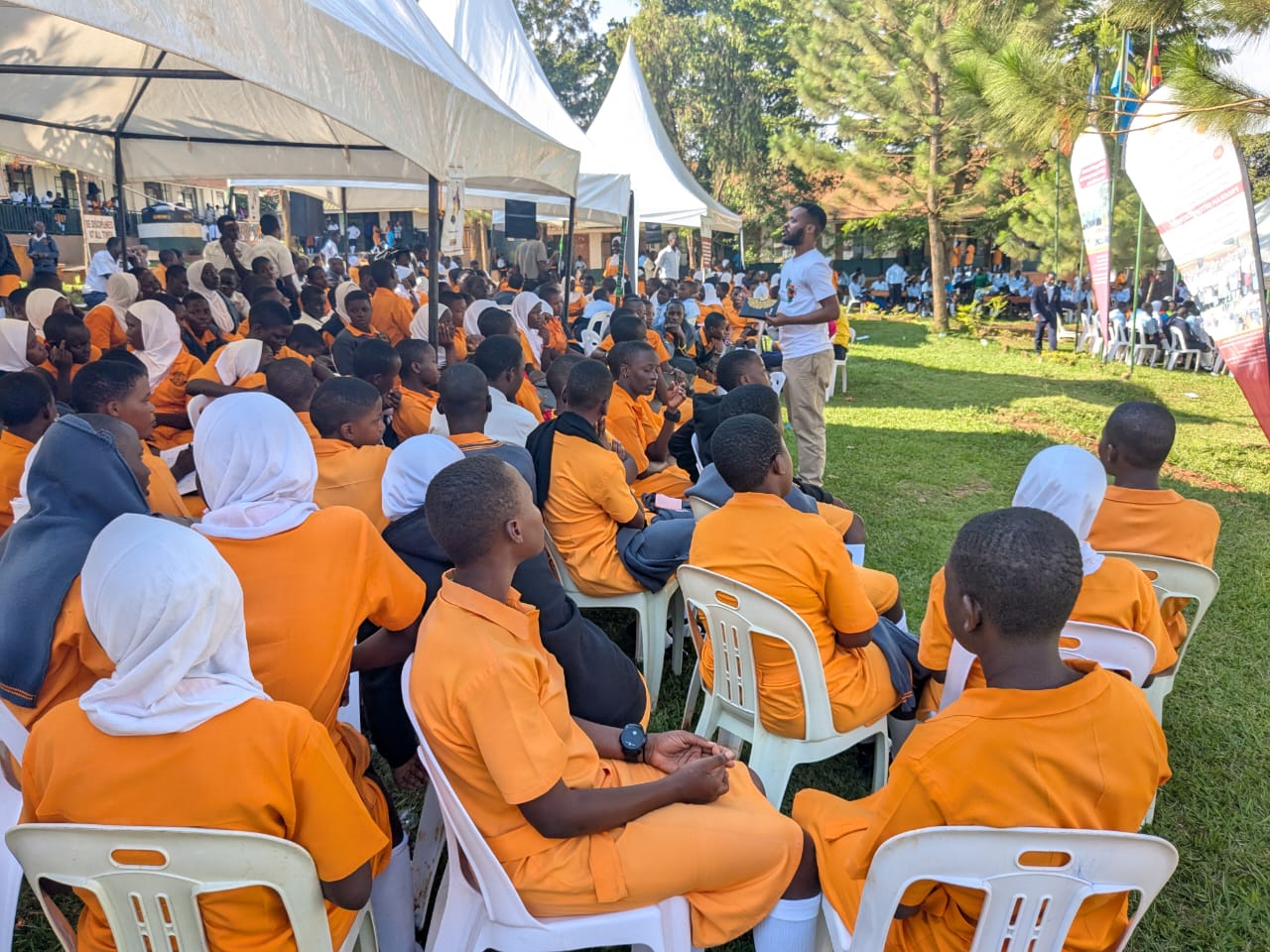
WAKISO, Uganda (UGNEWSLINE) – More than 700 students from schools across Kampala and the metropolitan area have been urged to protect themselves against cyberbullying, online sexual exploitation and other forms of digital abuse during Uganda’s inaugural Digital Safety Festival.
The Ministry of Education and Sports called on learners to speak out whenever they experience online threats, blackmail, harassment or exploitation, instead of suffering in silence.
Ms Nansubuga Angella, from the Ministry’s Department of Health and Life Skills, said students should seek help from trusted adults, teachers and child protection authorities whenever they encounter abuse online.
She made the call during the Digital Safety festival organised by High Sound for Children at Onwards and Upwards Secondary School in Buloba, Wakiso District, with support from Jubilee Insurance Uganda.
“Your digital life is your real life because whatever you put out there has an effect on your life today, tomorrow and in the future,” Nansubuga said.
she noted that violence against children is no longer confined to homes, schools and communities but had extended to mobile phones, online chats and social media platforms.
She cautioned learners about dangers such as cyberbullying, online grooming, sextortion, impersonation, scams, harmful content and artificial intelligence-generated fake images.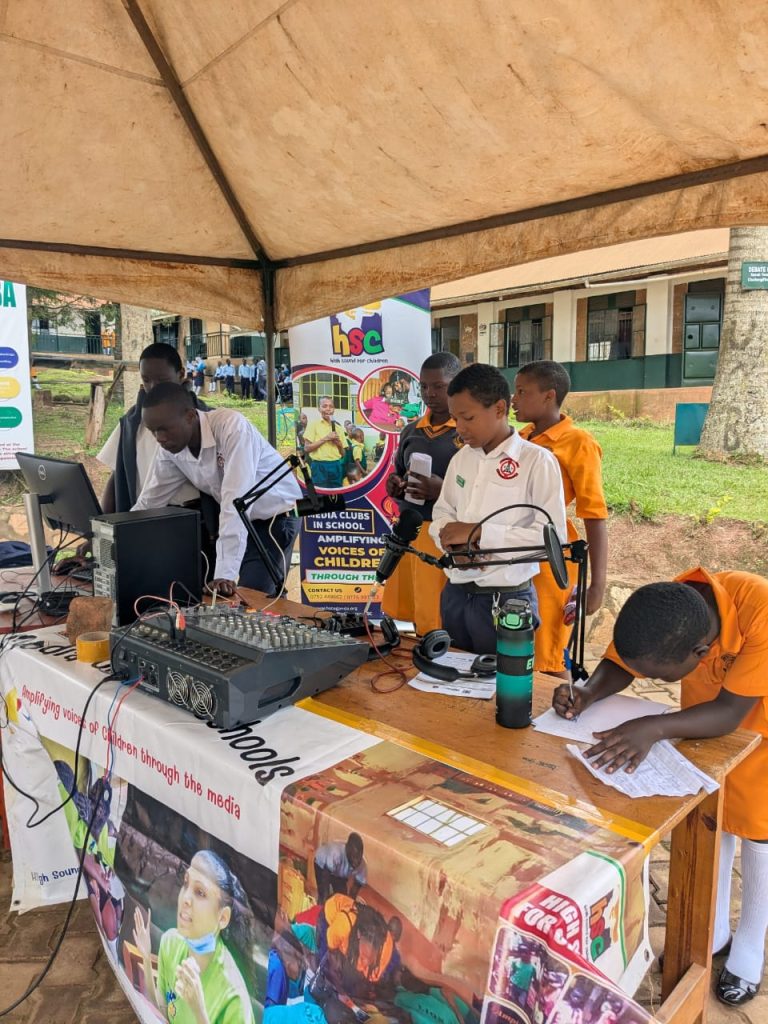 “Knowing how to use a platform is not the same as knowing how to use it safely,” she said, urging students to learn how to protect their personal information, recognise manipulation and report abuse.
Nansubuga also warned that online posts, photographs, comments and other shared content can remain accessible for years and potentially affect future employment and scholarship opportunities.
She encouraged students to think carefully before posting anything online and consider whether they would be comfortable with their parents, teachers or future employers seeing it.
She particularly warned victims of online sexual exploitation and blackmail against blaming themselves or keeping quiet because of fear and shame.
“It is never your fault if someone threatens you, blackmails you or pressures you into sending images. You are the victim, not the offender,” she said.
She urged learners to report cases to parents, teachers, school counsellors and headteachers, adding that children can also seek help through the toll-free child helpline 116.
Schools were encouraged to integrate digital safety into guidance and counselling, ICT lessons, clubs and assemblies, while teachers were asked to handle reports confidentially and compassionately.
The Ministry also called on parents to understand the digital platforms used by their children, promote healthy screen-time habits and maintain open conversations about their online experiences.
Schools urged to sustain digital safety
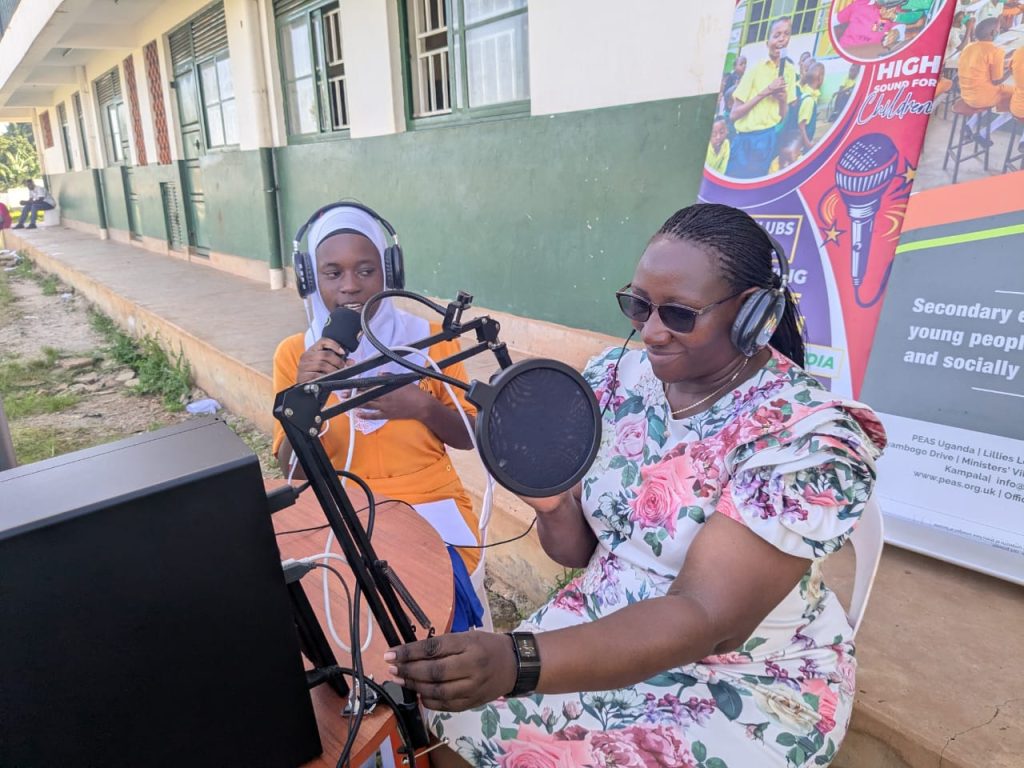
Hadijja Mwanje, the Team Lead at High Sound for Children, said the festival is part of the organisation’s wider efforts to promote child protection both offline and online.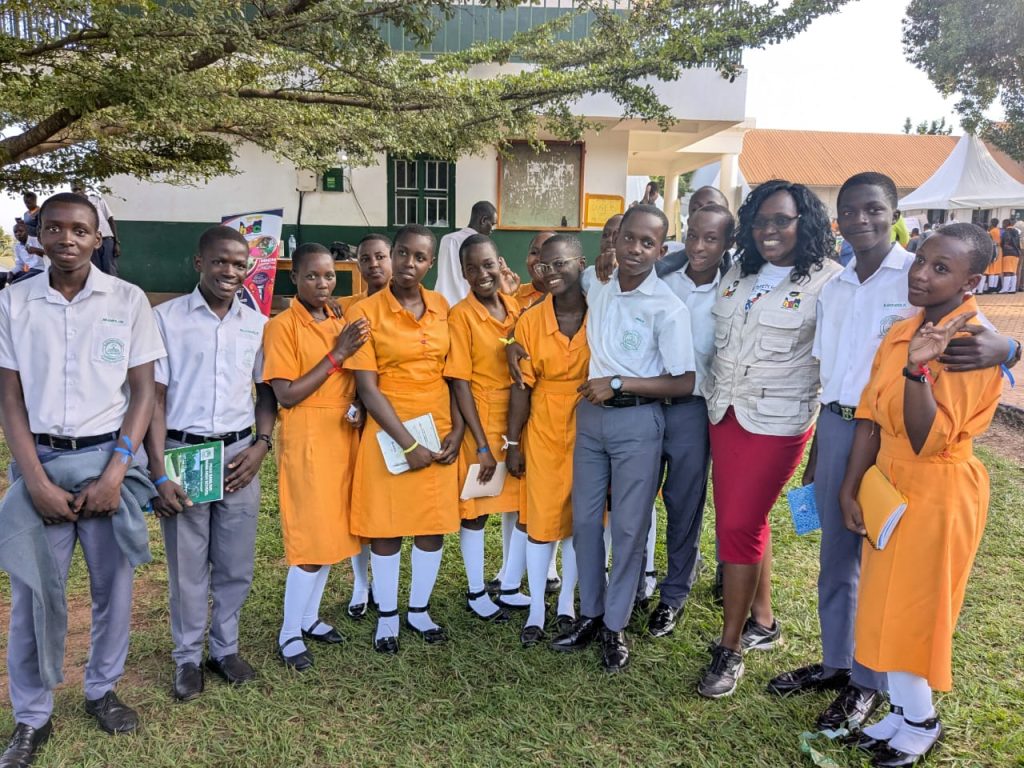 She said the organisation began establishing school media clubs in 2019 at Brightway Primary School and has since reached more than 20 schools.
Mwanje said the clubs equip learners with media skills and knowledge to use digital platforms responsibly, while also helping schools establish structures that can sustain the work.
“We empower teachers because we understand that we cannot be everywhere at all times,” she said, recognising teacher patrons and student leaders for keeping the initiatives active in their schools.
She explained that the festival’s focus on a clean digital footprint was intended to help children understand that their online activities can leave permanent records.
She thanked the organisations supporting the initiative, including the Uganda Communications Commission (UCC), UNICEF Uganda, Ant Hill Foundation, Raising Voices, Dwelling Places, Trailblazers Mentoring Foundation, Centre for Media Literacy and Education, and PEAS Uganda.
She particularly recognised PEAS Uganda for supporting the organisation during its early years by facilitating transport to schools in Eastern and Western Uganda. Mwanje said High Sound for Children also runs a holiday programme known as Ekitimba, through which young people are engaged on the opportunities and dangers of the internet.
Moreen Kizito Namugayi, a Child Protection Officer at PEAS Uganda, said the organisation works closely with High Sound for Children to amplify children’s voices and promote their safety online.
She pledged continued collaboration with High Sound for Children in schools supported by PEAS across the country, including those in Karamoja.
UNICEF, UCC call for responsible internet use
Janet Akao Abaneka, UNICEF Uganda’s Education Officer and Education Technology and Innovation Specialist, said digital safety should focus not only on internet access and usage but also on protecting children from online harm.
She said UNICEF has developed a digital toolkit to equip young people with practical skills to protect themselves while using online platforms.
Kenneth Tweheyo, UCC Manager for Consumer Affairs, described the festival as timely, noting that gaps remained in public awareness about online safety.
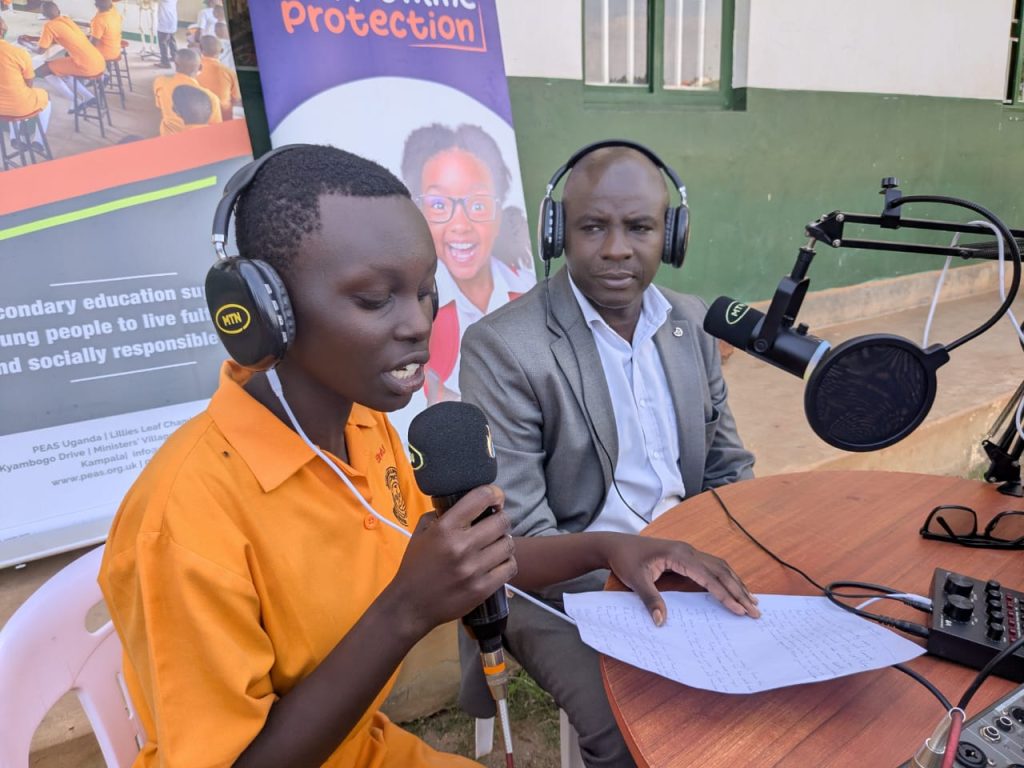
He said UCC has developed the Child Online Protection Regulatory Framework 2026 to strengthen the protection of children in Uganda’s digital environment.
Tweheyo challenged students to follow five basic principles when using the internet: think before posting, protect personal information, be careful about people they trust online, respect others and speak up whenever they experience harassment.
He also reminded learners that Uganda has laws governing internet use, citing the Computer Misuse Act, which is already in force.
He urged young people, particularly those aged between 14 and 30, to use digital platforms responsibly and avoid actions that could violate the law or damage their future.
The headteacher of Onwards and Upwards Secondary School, George Ogaba, welcomed the participants and commended High Sound for Children for introducing the initiative.
Ogaba observed that online safety has become increasingly important following the rapid growth of digital media, noting that such concerns were rarely considered when he was in school in the 1990s.
He urged students to use the festival to learn how to interact with digital media respectfully and responsibly, adding that protecting children online required everyone’s attention and action.