


BUVUMA, Uganda (UGNEWSLINE ) – Centenary Group Foundation, in partnership with Centenary Bank, has stepped up efforts to empower women entrepreneurs in Buvuma District, training more than 527 women in financial literacy and business development under the government-backed GROW Programme.
The training is aimed at equipping women in hard-to-reach communities with the financial management skills needed to grow their businesses, improve household incomes and responsibly access affordable credit.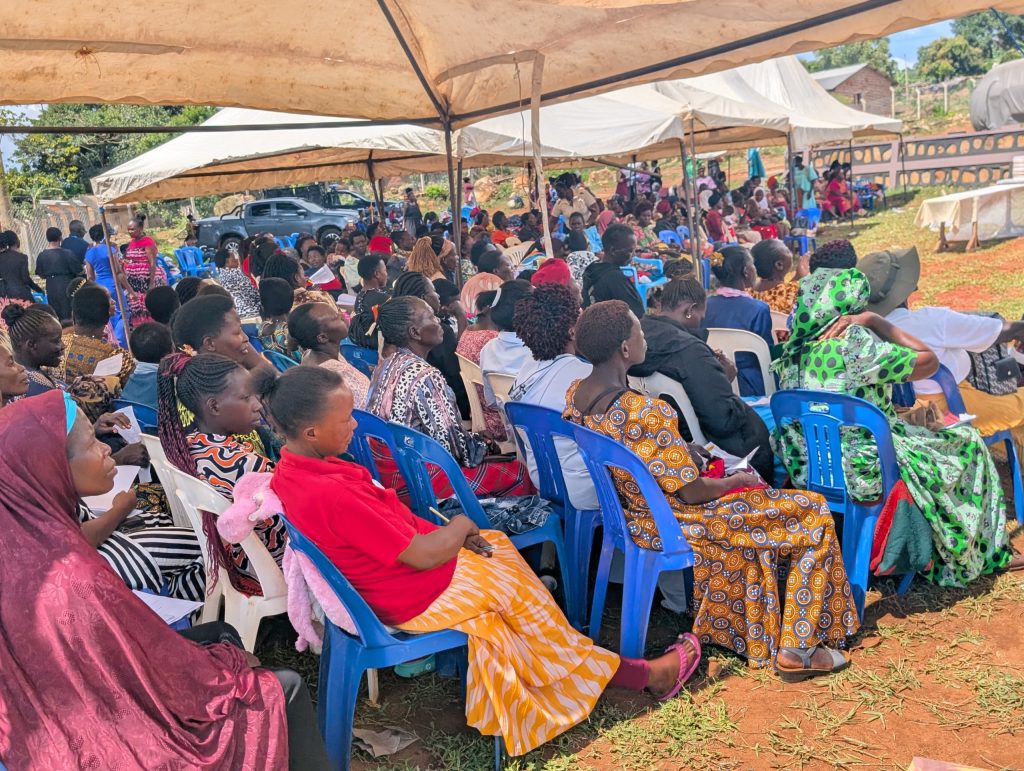 The initiative is part of efforts to address financial exclusion among women in remote communities, where geographical challenges have often limited access to formal banking services and affordable financing.
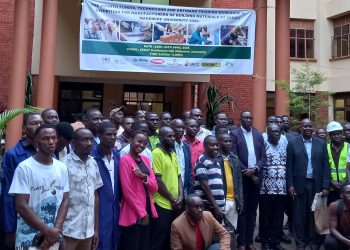
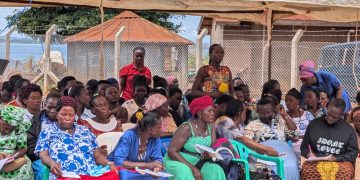
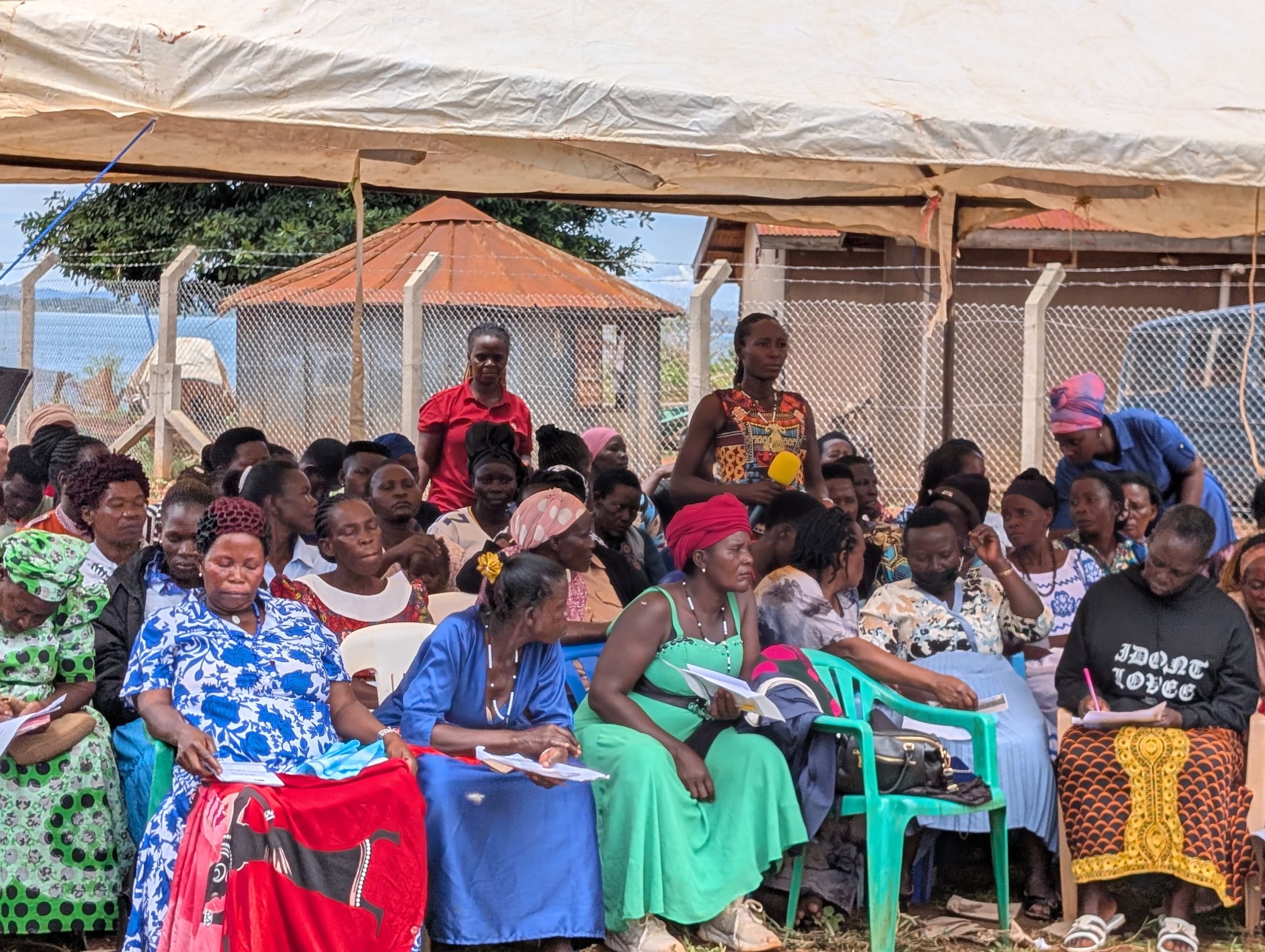
The programme began with a three-day financial literacy training held from October 12 to 14, 2026, covering savings, money management, business growth and responsible borrowing.
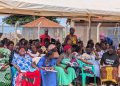
Waswa James, a Business Banker at Centenary Bank’s Mukono Branch, said the bank had initially expected about 250 women to attend the training but was surprised by the overwhelming response.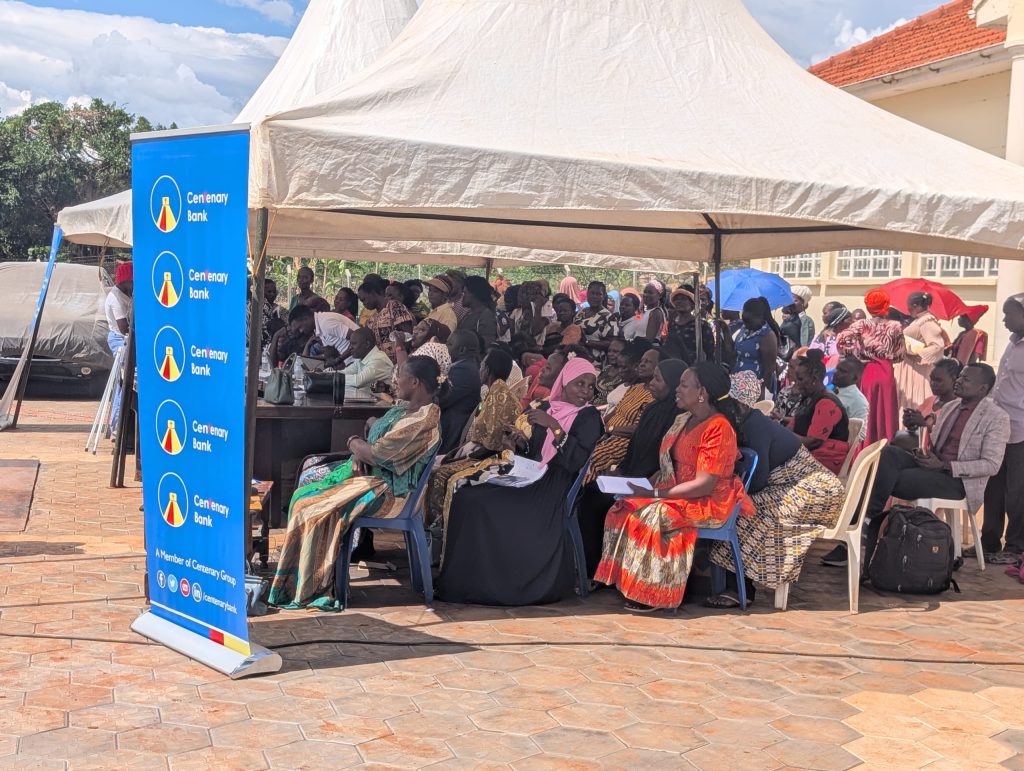 “We were overwhelmed by the numbers. We trained more than 527 women who turned up during the two days of training,” James said.
He explained that Buvuma was prioritised because of its geographical challenges, which make it difficult for financial institutions to extend banking services to many communities on the island.
James said the bank opened more than 200 accounts for women during the exercise, while others have since continued visiting the branch to access financial services.
Following the training, Centenary Bank deployed six loan officers to Buvuma from November 2 to 5 to assess businesses belonging to prospective borrowers.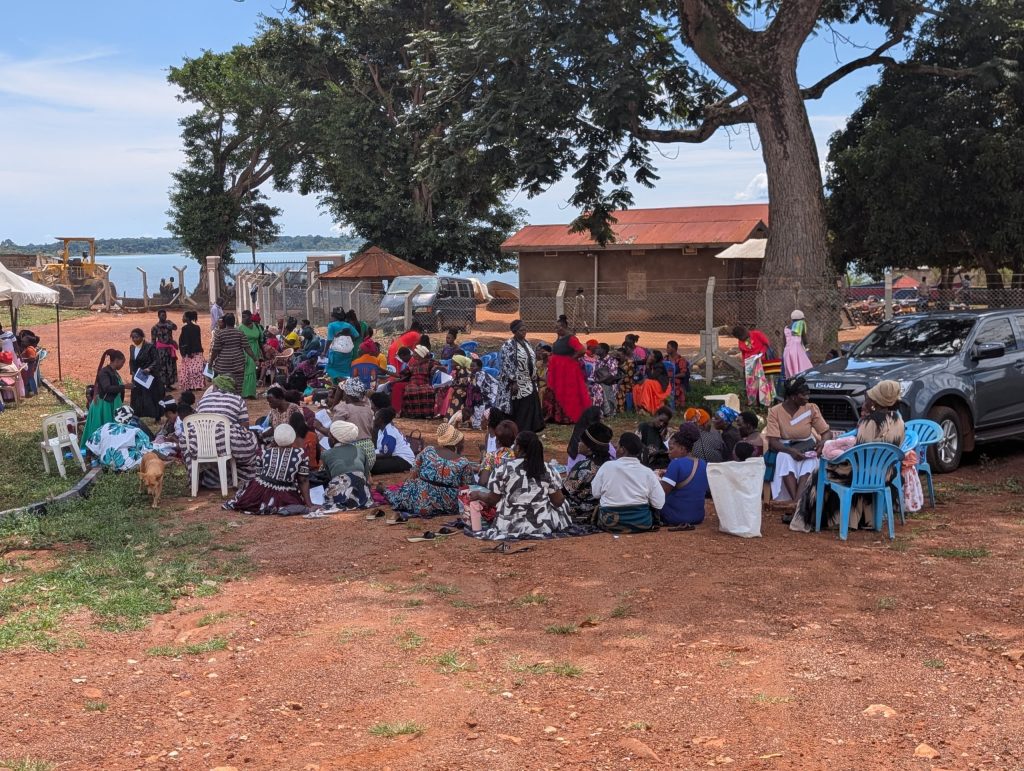 The assessment involved examining business activities, stock levels, financial capacity and available collateral to determine applicants’ eligibility for the facility.
James said the bank expects more than 200 women to benefit from the programme, although the final number will depend on their ability to meet the lending requirements.
The GROW loan facility provides financing ranging from Shs2 million to Shs200 million, depending on the size and needs of the business and the applicant’s repayment capacity.
Women in Buvuma are engaged in various economic activities, including retail trade, cassava farming, fish trading, livestock farming and cattle fattening.
James said the first beneficiaries were expected to start receiving the loans following completion of the appraisal process.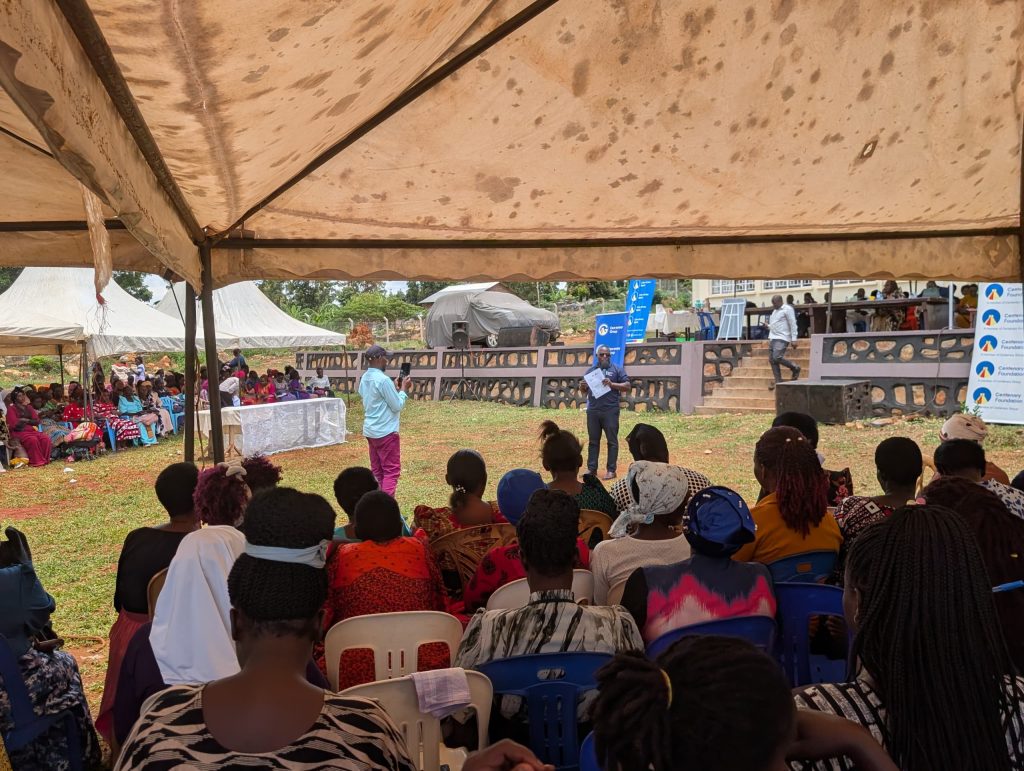
He emphasised that the financing is intended to expand businesses rather than support personal consumption, urging beneficiaries to use the money for its intended purpose and repay it on time.
“Our expectation as a bank is to see an improvement in the livelihoods of these women. We expect to see improvements in their homes and the education of their children. We also expect them to repay the money on time because it is not free money,” he said.
Financial literacy key to sustaining women’s businesses
Cesar Kimbugwe, the Programme Manager at Centenary Group Foundation, said the foundation works alongside Centenary Bank to ensure women acquire the knowledge and skills needed to make productive use of the loans.
He explained that while the bank handles loan administration and disbursement, the foundation is responsible for mobilising women, providing financial literacy training and helping them understand the importance of borrowing responsibly and repaying their loans.
Kimbugwe said financial education is critical because it enables women to distinguish between needs and wants, plan their expenditure and invest borrowed money in activities that generate income.
The GROW Programme is funded by the World Bank through the Ministry of Gender, Labour and Social Development and the Private Sector Foundation Uganda (PSFU).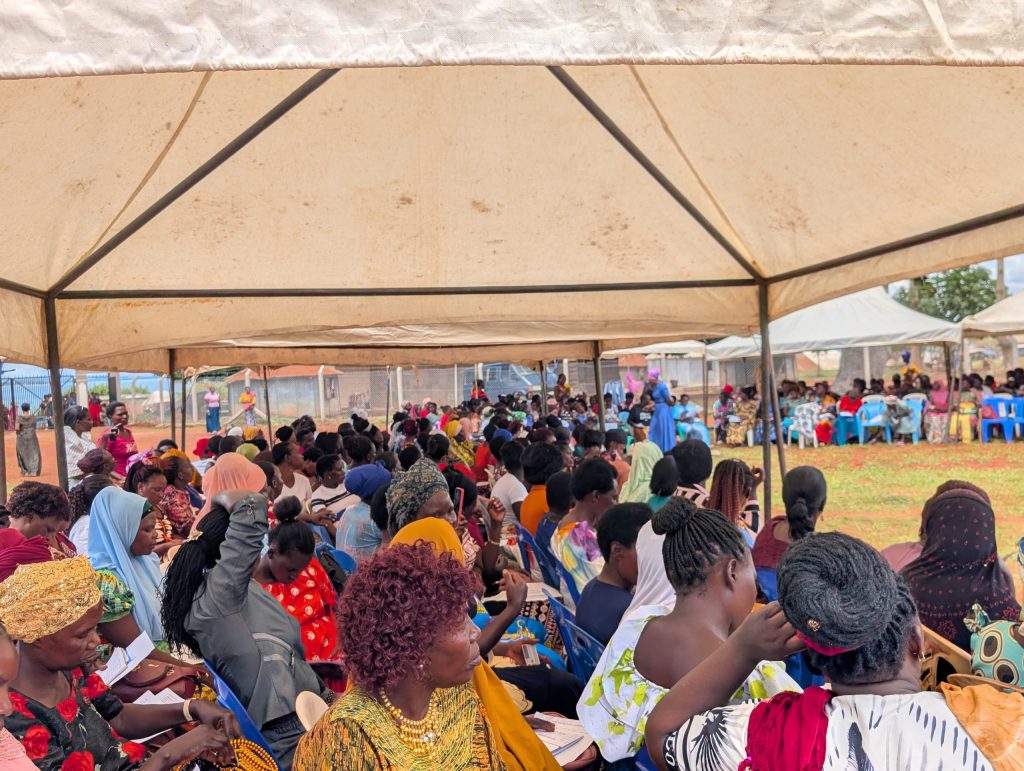 The facility offers subsidised interest rates of eight per cent for refugees and 10 per cent for non-refugees, making credit more affordable for women-owned enterprises.
Kimbugwe warned that failure to repay the loans could undermine the programme’s ability to support other women because the facility operates as a revolving fund.
“If one woman borrows and does not pay back, we will not be able to reach as many women as possible. It is important that we educate them so that they understand why they are borrowing, use the money well and pay it back,” he said.
Kimbugwe said empowering women entrepreneurs is essential to improving household welfare and supporting national economic development, particularly because many women continue to face barriers to affordable financing.
Buvuma MP seeks flexible loan requirements
Buvuma District Woman Member of Parliament Judith Nagguja welcomed the extension of the GROW Programme to the island, saying it would give women an opportunity to access financing and strengthen their businesses.
She said many women had heard about the programme but lacked adequate information about the application process and requirements until Centenary Bank and its foundation brought the initiative closer to them.
However, Nagguja urged the government to consider relaxing some of the lending requirements to accommodate women operating smaller businesses.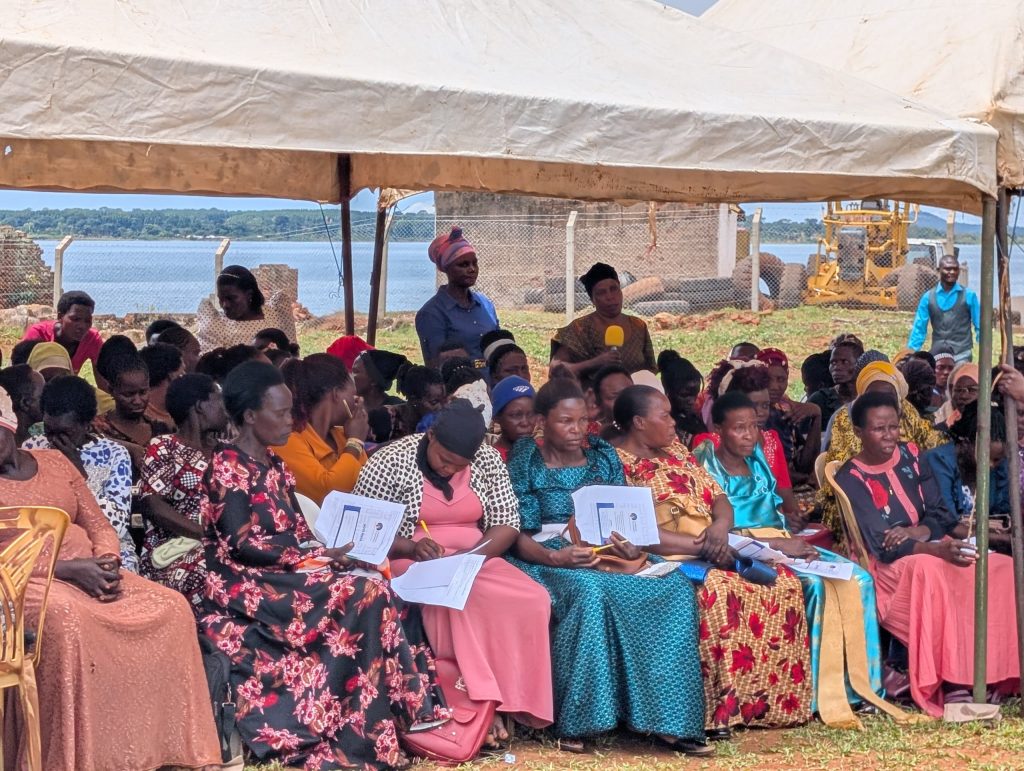 She specifically cited women engaged in fish trading who have suffered business losses following government directives requiring changes in fishing methods and equipment.
The legislator argued that setting a minimum business value of Shs2 million could leave out women operating smaller enterprises who equally need financial support to rebuild and expand their businesses.
She called for consideration of women operating businesses valued at Shs1 million or even Shs500,000, saying such enterprises should also have an opportunity to benefit from the programme.
Nagguja said women in Buvuma have high expectations that the financing will help them recover from business challenges, increase household incomes and improve their livelihoods.
The GROW Programme is a US$217 million World Bank-funded initiative implemented by the Ministry of Gender, Labour and Social Development in partnership with PSFU. It seeks to improve access to finance and support the growth of women-owned enterprises across Uganda.