


KAMPALA, Uganda (UGNEWSLINE) – African countries have been urged to move beyond developing maritime policies and strengthen their implementation to improve water transport safety, boost trade, create jobs and unlock the continent’s economic potential.
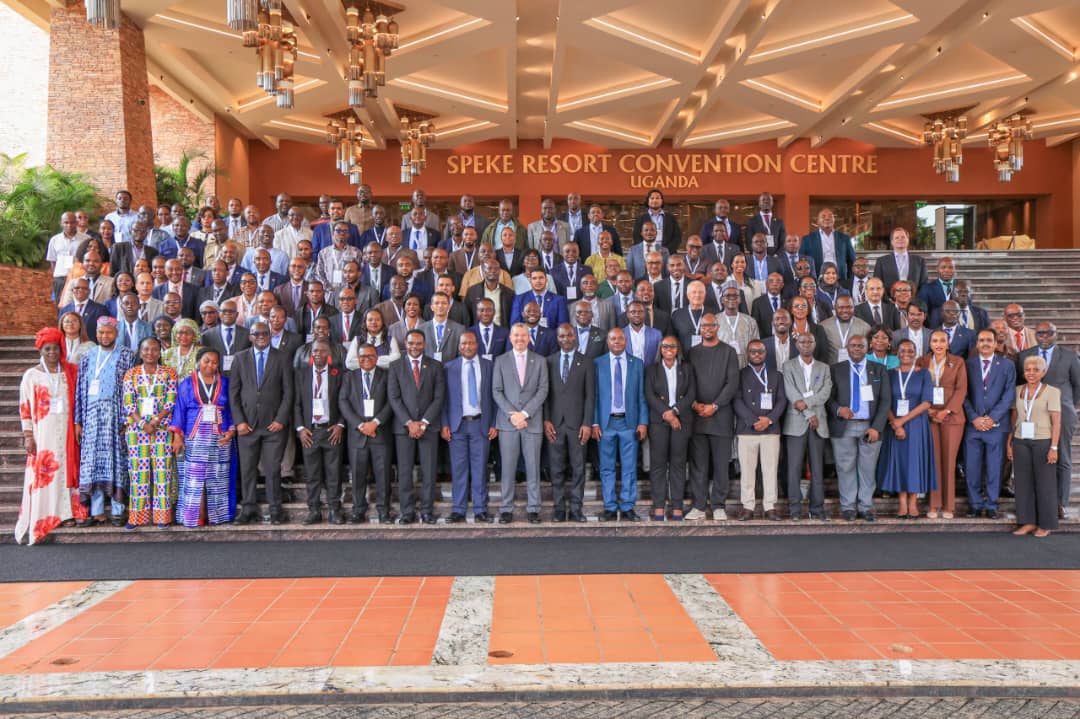
The call was made by the Minister for Works and Transport, Hon. Fred Byamukama, while officially opening the 9th Annual Conference and General Assembly of the Association of African Maritime Administrations (AAMA) at Speke Resort Munyonyo in Kampala on Tuesday, November 17, 2026.
Byamukama said Africa has made significant progress in developing maritime policies, strategies and regulatory frameworks but continued to face challenges in translating these commitments into practical results.
He said governments must strengthen institutions, improve enforcement and invest in infrastructure to ensure that maritime policies deliver tangible benefits to citizens.
“For far too long, our continent has demonstrated considerable strength in developing policies, strategies and regulatory frameworks, yet we continue to face significant challenges in translating these commitments into tangible results,” Byamukama said.
The three-day conference, running from November 17 to 19, is being held under the theme “From Policy to Practice: Advancing Africa’s Maritime Transformation through Effective Governance, Innovation and Sustainable Blue Economy.”
Byamukama also called for the African Union to formally recognise AAMA as the continental body responsible for coordinating maritime affairs.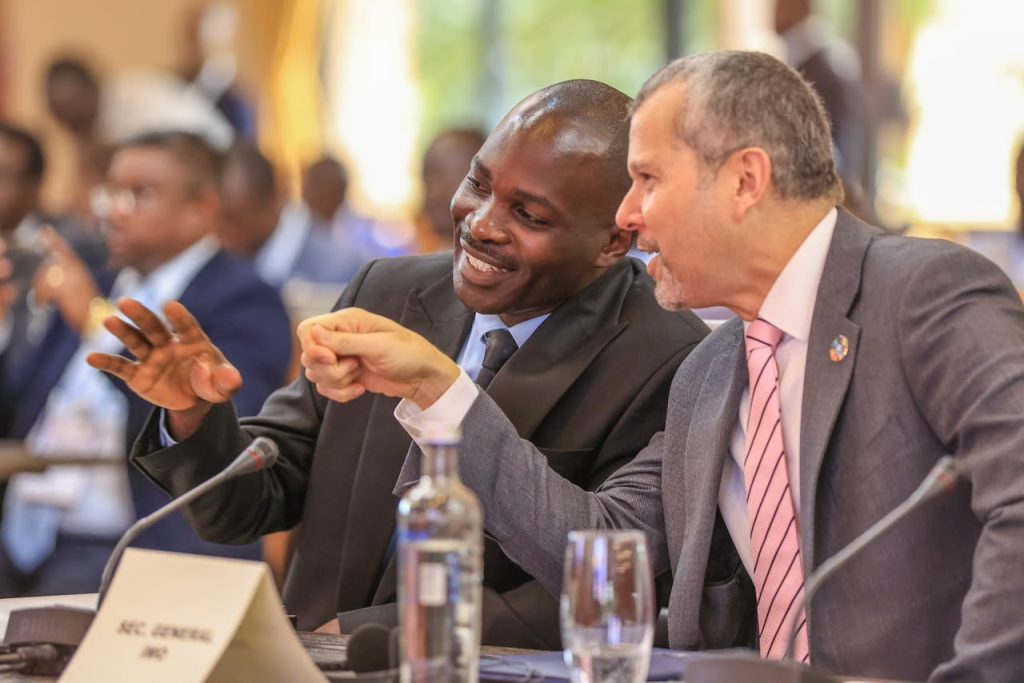 He said such recognition would strengthen the association’s influence and ensure that maritime transport priorities are incorporated into Africa’s development plans, financing arrangements and high-level political discussions.
The minister noted that Uganda has played an important role in strengthening Africa’s maritime legal framework despite being a land-linked country without direct access to the ocean.
He revealed that Uganda became the 15th member state to deposit its instrument of ratification of the Revised African Maritime Transport Charter, fulfilling the required legal threshold for the charter to enter into force.
The charter was adopted in Kampala on July 26, 2010, during the African Union Heads of State and Government Summit.
Byamukama said Uganda’s economic interests are closely connected to maritime transport because much of its international trade passes through seaports in neighbouring countries.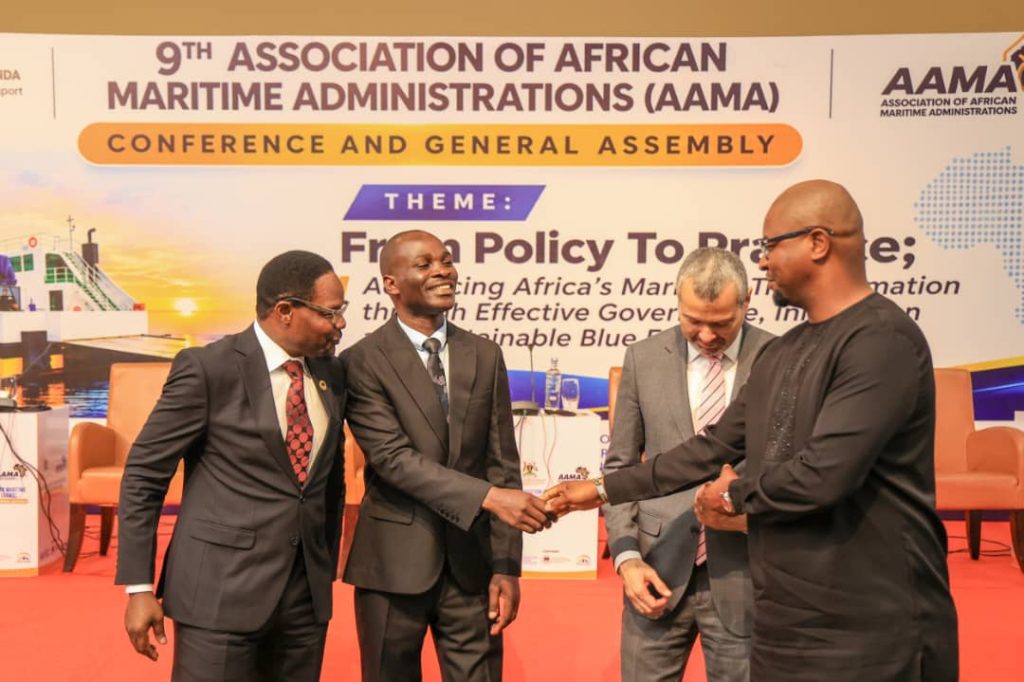 He said government is investing in inland water transport infrastructure, including the upgrading of Port Bell and Jinja ports and the development of Bukasa Port on Lake Victoria.
These investments are being complemented by the rehabilitation of the Metre Gauge Railway and the development of the Standard Gauge Railway to improve connections with the Northern and Central transport corridors.
He said improved transport connections would reduce the cost of doing business, facilitate the movement of goods and strengthen Uganda’s participation in regional and international trade.
The minister also emphasised the need for African countries to work together to protect their interests in international maritime transport, particularly amid disruptions to global shipping routes and energy supply chains.
Citing geopolitical developments affecting navigation through the Strait of Hormuz, Byamukama said Africa needed stronger cooperation to address maritime security, energy supply challenges, environmental protection and the welfare of seafarers.
Meanwhile, the Secretary-General of the International Maritime Organization (IMO), Arsenio Dominguez, challenged African maritime administrations to turn previous conference resolutions into measurable improvements in the sector.
Dominguez said progress should be reflected in safer water transport, more efficient trade, environmental protection and increased access to decent employment in the maritime industry.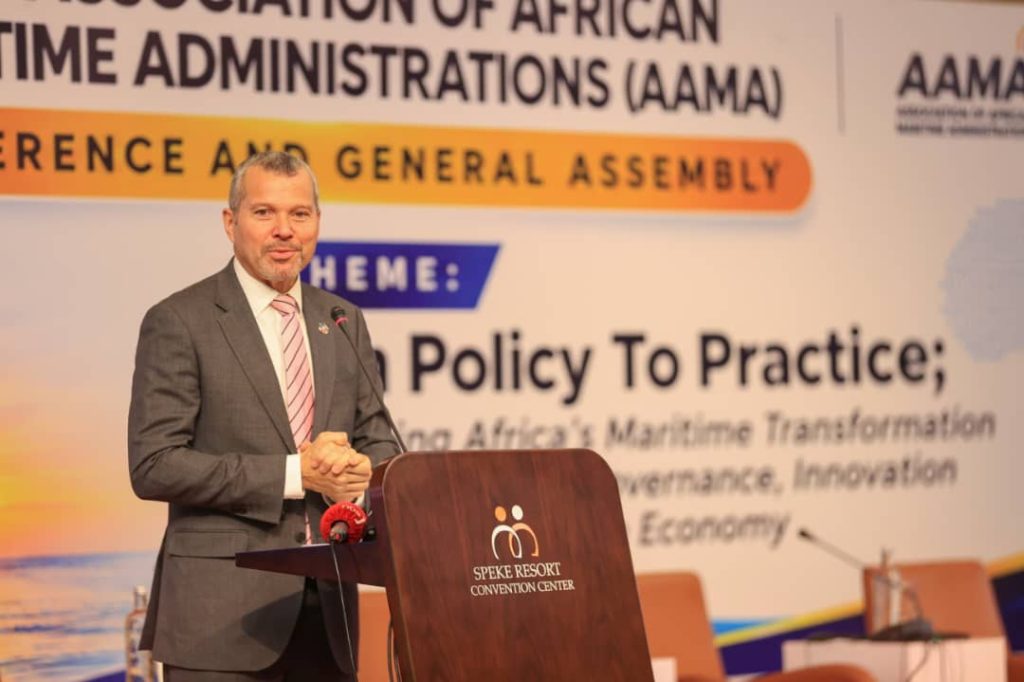 He identified weak institutional capacity, inadequate enforcement of maritime regulations and limited resources as some of the challenges affecting the implementation of maritime commitments.
He particularly called on African countries to improve domestic ferry safety through regular inspections, safe loading practices, competent crews and effective emergency preparedness.
Dominguez also urged governments to invest in maritime education and training to prepare young Africans for employment in the global shipping industry.
He said digital technologies, including electronic certification, Maritime Single Windows and improved cybersecurity systems, could reduce administrative costs and improve efficiency in the maritime sector.
On environmental sustainability, he called for a fair transition towards greener shipping that gives African countries opportunities to attract investment, develop technology and participate in emerging maritime industries.
Dominguez further emphasised the need to increase women’s participation in maritime training, employment and leadership, saying commitments to gender equality should translate into actual opportunities.
In the remarks delivered on behalf of the Permanent Secretary in the Ministry of Works and Transport, Waiswa Bageya, Chief Mechanical Engineer Eng. Tibesigwa Timothy said Africa needed to invest more in maritime education and professional training to benefit from opportunities in the global shipping industry.
He said the continent has a young population capable of supplying qualified seafarers to international shipping companies if governments invested in appropriate training institutions, certification and practical experience.
“Every African seafarer who secures employment aboard a vessel represents more than an individual career achievement. It represents a livelihood created, a family supported, valuable foreign exchange earned and professional experience that can ultimately strengthen our own maritime industry,” the remarks stated.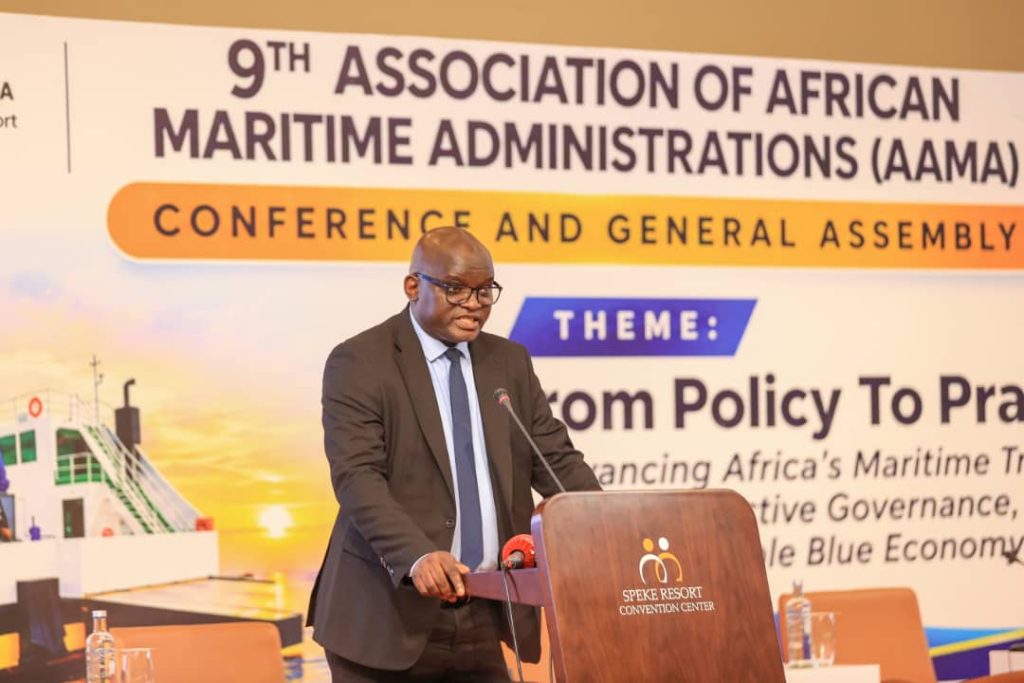 Tibesigwa also noted that Uganda is an important part of Africa’s maritime network because its international trade depends on the ports of Mombasa in Kenya and Dar es Salaam in Tanzania.
He said the country’s inland waterways, particularly Lake Victoria, are equally important for transporting people and goods and supporting the livelihoods of communities.
He urged delegates to use the conference to develop practical solutions, clear implementation plans and partnerships that would improve maritime safety, trade facilitation and regional connectivity.
The conference has brought together maritime administrations, government representatives, regional and international organisations, development partners and private sector players from across Africa and beyond.
Its discussions are centred on strengthening maritime governance, digital transformation, sustainable shipping, maritime safety and security, regional trade connectivity and gender inclusion.
The meeting is expected to produce an Assembly declaration or communiqué supported by an implementation framework outlining priority actions, responsible institutions, timelines and mechanisms for monitoring progress.
The framework is intended to ensure that commitments made by African maritime administrations translate into practical improvements across the continent’s maritime industry.