


Op-Ed (UGNEWSLINE) – My experience in Busoga has taught me that financial inclusion means more than getting a loan. It means being able to access finance fairly, decide how to use it and build on what you earn.
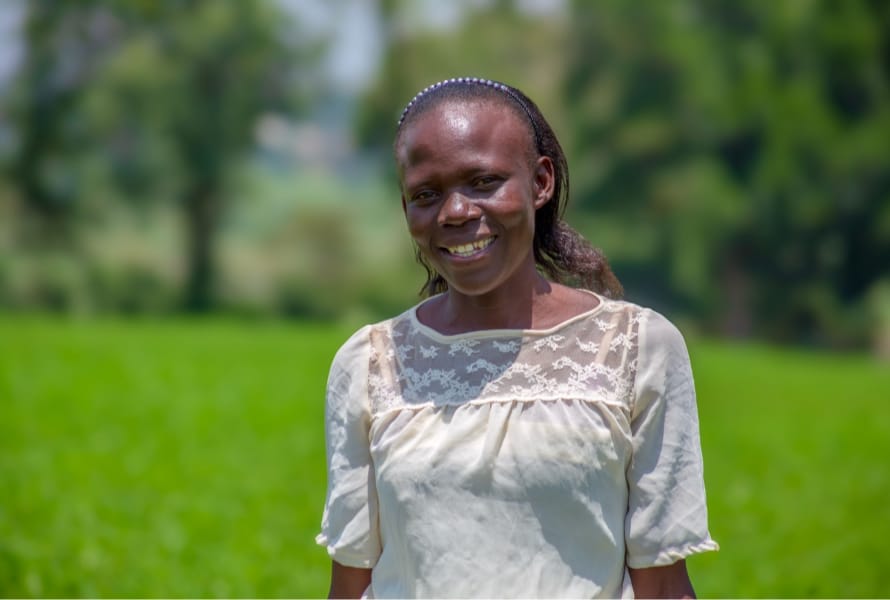
I was a nursery schoolteacher before I joined the Stimulating Agribusiness for Youth Employment( SAYE) project but, on the side, I cultivated one acre of land that I rented from my mother, but it was mainly for home consumption. With support to access finance through Centenary Bank, I received my first loan of UGX 1 million. I repaid it. I later accessed and repaid further loans. Today, I cultivate four acres. I have bought oxen and poultry, and I am better able to support my family. The loans helped me invest, but I also needed knowledge about how to use the money well. My experience has changed the scale of my farming. It has also made me think deeply about what financial inclusion should mean for other young women.
In Busoga, women’s access to money and productive assets can be shaped by expectations about what women should own, how they should use their earnings and who should make household decisions. These expectations are not held by every family, and they are not unique to Busoga. These beliefs are in so many parts of Uganda, and they can affect women’s choices and the way financial institutions serve them.
While as this may not be so true for all families, for many a time, there has always been a widespread belief that women should not own land or have large assets registered in their names. In some instances the expectation is that women should not have financial privacy from their husbands or male relatives. When women have fewer assets to use as collateral, and less room to make financial decisions, it can be harder to secure finance and grow a business. These norms may influence the behavior of financial service providers especially banks and other market actors too.
This is why I believe financial inclusion cannot be measured only by the number of products advertised or accounts opened. A loan may exist on paper, but a woman can still struggle to qualify, be asked to involve a male relative in decisions, or receive repayment terms that do not fit the way her business earns. For women with disabilities, inaccessible branches, communication barriers or assumptions about their capacity can add further obstacles.
A woman’s success should not depend on finding one unusually supportive loan officer. Financial institutions need clear and consistent processes. They should assess applicants on their business and ability to repay, explain requirements directly to the applicant, and avoid unnecessary demands for a husband’s or male relative’s consent. They should also consider appropriate alternatives to land collateral, including cash-flow assessment and movable assets. Products need to reflect the realities of agriculture and small businesses, where income can be seasonal and a new enterprise may take time to grow but also the realities of young people.
The responsibility does not rest with banks alone. Families, community leaders, government, business groups and development programs all influence what people see as possible. Conversations about women’s economic participation should involve men and women. They should address expectations within households as well as the practices embedded in institutions. Financial education can help, but it cannot make up for unfair requirements or biased service.
Through SAYE, FSD Uganda works with financial institutions and other partners to improve young people’s access to finance and business opportunities in Busoga. The project aims to reach 250,000 young people; 70 per cent of that target is female, and 3 per cent is people with disabilities. These are targets, not results to assume. The work includes connecting young entrepreneurs to financial service providers and supporting efforts to make products and services more responsive to our needs.
From experience, I know that access to credit, when paired with knowledge and a viable enterprise, can help someone invest and grow. But my experience does not mean every loan will succeed, or that credit alone can overcome barriers to land, markets, skills and decision-making. Programs should follow the full journey: who can apply, who is approved, what terms they receive, whether they can use the finance as planned, and whether the investment helps them build a more secure livelihood.
For financial inclusion to reach more women, Uganda’s financial institutions and policymakers should make it visible in their everyday systems. They should track who applies and who receives finance, by sex, age and disability. They should review loan requirements and complaints for patterns that disadvantage women, and train staff to provide accessible, respectful service. Agri-hubs and business groups can help connect finance with practical advice, markets and opportunities to grow. Banks can work with Agri-hubs to bring financing solutions closer to the community through agent banking. Communities also need to be part of making women’s control over their earnings and assets ordinary, rather than exceptional.
I am not asking for a separate financial system for women. I want the existing one to work fairly for people with different lives, businesses and starting points. A woman who repays a loan and expands her farm is not asking for special treatment. She is showing what can happen when finance recognizes her as a capable entrepreneur.
A loan can help a business grow. Real inclusion begins when women can access it fairly, decide how to use it and keep building on what they earn.
By Sylvia Namukose, Namutumba District.