


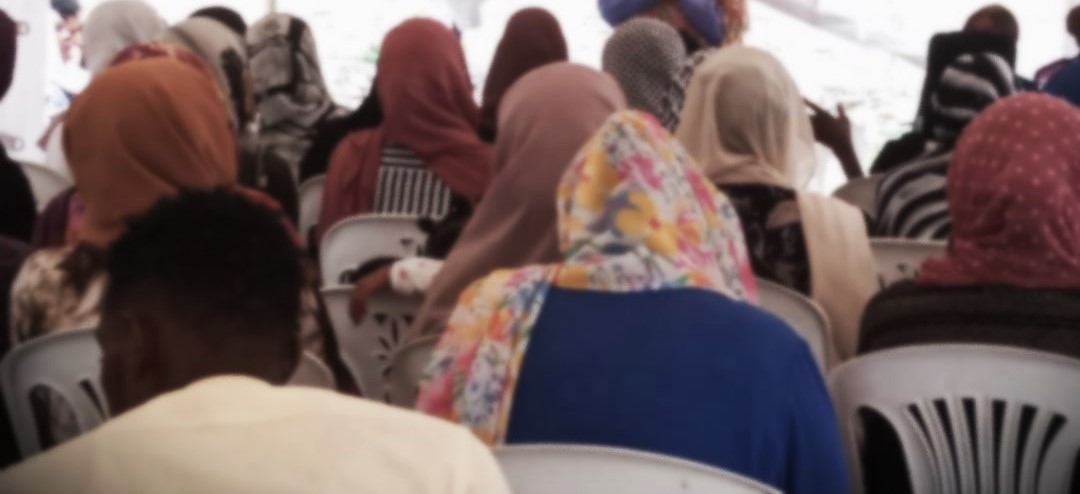
Amid the scorching sun and dry plains of northeastern Uganda, a group of desperate Eritrean migrants clung to each other, despair etched into their faces.
Their dreams of freedom had collapsed, and now, the looming threat of being forced back home to what they described as a “militarized prison” was so terrifying that some said they would rather die.
Over the weekend, at least 109 Eritrean migrants, including women, children, and young men, were intercepted by Ugandan security forces in Moroto District, Karamoja sub-region, as they attempted to transit through Uganda en route to Europe.
After a brief detention, the group was reportedly driven to the Lokitanyala border point on July 5, 2025 and left to fend for themselves in the harsh wilderness.
With the sun beating down and no shelter in sight, many wandered toward the Kenyan side, too afraid to stay, too broken to move forward.
For 22-year-old K. Daniela, the thought of being repatriated to Eritrea is unbearable.
“If we are sent back, we will be detained, tortured, or killed. We will disappear. Our families may never hear from us again,” she said, her voice trembling.
Daniela described Eritrea as a nation where freedom does not exist, where leaving the country without permission is considered an act of treason, punishable by indefinite detention, forced labor, or execution.
“We are not just fleeing poverty. We are escaping a life sentence,” she said.
Shattered hopes, abandoned Lives
The migrants say they each paid traffickers large sums of money to escape Eritrea and find a temporary haven in Uganda, hoping to eventually reach Europe.
But their journey was cut short when they were stopped by Ugandan forces at a checkpoint just 10 kilometers outside Moroto town.
Since then, their fate has hung in the balance.
When held, some wept openly, others prayed aloud, and a few stared blankly into the horizon, faces sunken with fear, confusion, and hopelessness.
“Many of us would rather die here than go back,” one young man said.
Women among the group recounted harrowing stories of sexual abuse by armed men during their journey. Others spoke of relatives, and partners, who had vanished or died in detention back home.
“Back home, every family has someone in prison or dead. Journalists, teachers, even teenagers, no one is safe,” said one woman. “We fled to live, not to be sent back to die.”
Life under fear
Eritrea, a small nation in the Horn of Africa bordered by Sudan, Ethiopia, and Djibouti, has faced decades of conflict, repression, and economic hardship. The government enforces a system of mandatory and indefinite military service, often described as forced labor.
Those who resist are subjected to harsh punishment, disappearance, or death.
Human rights organizations, including the United Nations, have repeatedly accused the Eritrean government of systematic abuses, including arbitrary arrests, lack of press freedom, and the suppression of political dissent.
Despite the growing exodus of citizens, the country remains largely closed off from the international community.
“Let the World Hear Us Before We Disappear”
Ugandan authorities confirmed that the migrants entered the country illegally on June 30 and were intercepted shortly thereafter. However, instead of being processed through asylum channels, they were transported and abandoned at the border.
The UNHCR has documented that as of 2024, Uganda hosts approximately 59,600 Eritrean refugees and asylum seekers, many of them young people escaping indefinite national service.
In 2023 alone, about 71,600 Eritreans applied for asylum globally, representing over 2% of the country’s total population.
“Do not send us back,” pleaded one young man. “Please, let the world hear us before we disappear. We need protection.”
As international attention shifts elsewhere, the cries of Eritrean migrants stranded in Uganda grow louder and more urgent. For them, the stakes are simple and heartbreaking: freedom or death.