


KAMPALA, Uganda (UGNEWSLINE) – Uganda’s anti-corruption watchdog has cleared a senior government official over the escalating cost of a major highway project, while ordering the suspension of another engineer as investigators pursue questions about decisions that pushed the project’s price to more than twice its original budget.
The Inspectorate of Government said Ministry of Works and Transport permanent secretary Waiswa Bageya was not involved in the earlier decisions that led to the cost escalation of the Busega–Mpigi Expressway, clearing the way for him to resume his duties.
But the Inspector General of Government, Lady Justice Aisha Naluzze Batala, directed Bageya to interdict Isaac Wani, the ministry’s commissioner for national roads, pending further investigations into his alleged involvement in the controversy.
The decision, announced on 23 October, marks a new phase in a widening inquiry into one of Uganda’s major road infrastructure projects, where the original construction contract of about 547.5 billion shillings has grown to an estimated 1.35 trillion shillings, with the overall bill potentially reaching 2 trillion shillings when associated works are included.
The Inspectorate said Bageya was cleared after investigators established that the decisions behind the earlier cost increases predated the transfer of the project to the Ministry of Works and Transport in 2024.
Following the transfer, he initiated technical audits, funding approvals and procurement processes aimed at getting construction back on track.
Wani, by contrast, was serving as director of network planning and engineering at the now-defunct Uganda National Roads Authority when the decisions leading to the cost escalation were made, according to the Inspectorate.
His interdiction is intended to facilitate the investigation and does not amount to a finding of guilt.
The case has become a test of Uganda’s efforts to hold public officials accountable for the management of major infrastructure spending, as the government faces pressure to explain why a road intended to improve transport efficiency has required substantially more money and time than initially planned.
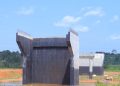
The 23.7-kilometre Busega–Mpigi Expressway is designed to ease congestion on the busy Kampala–Masaka highway, a major transport corridor connecting the capital to central and western Uganda.
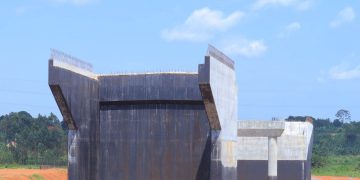
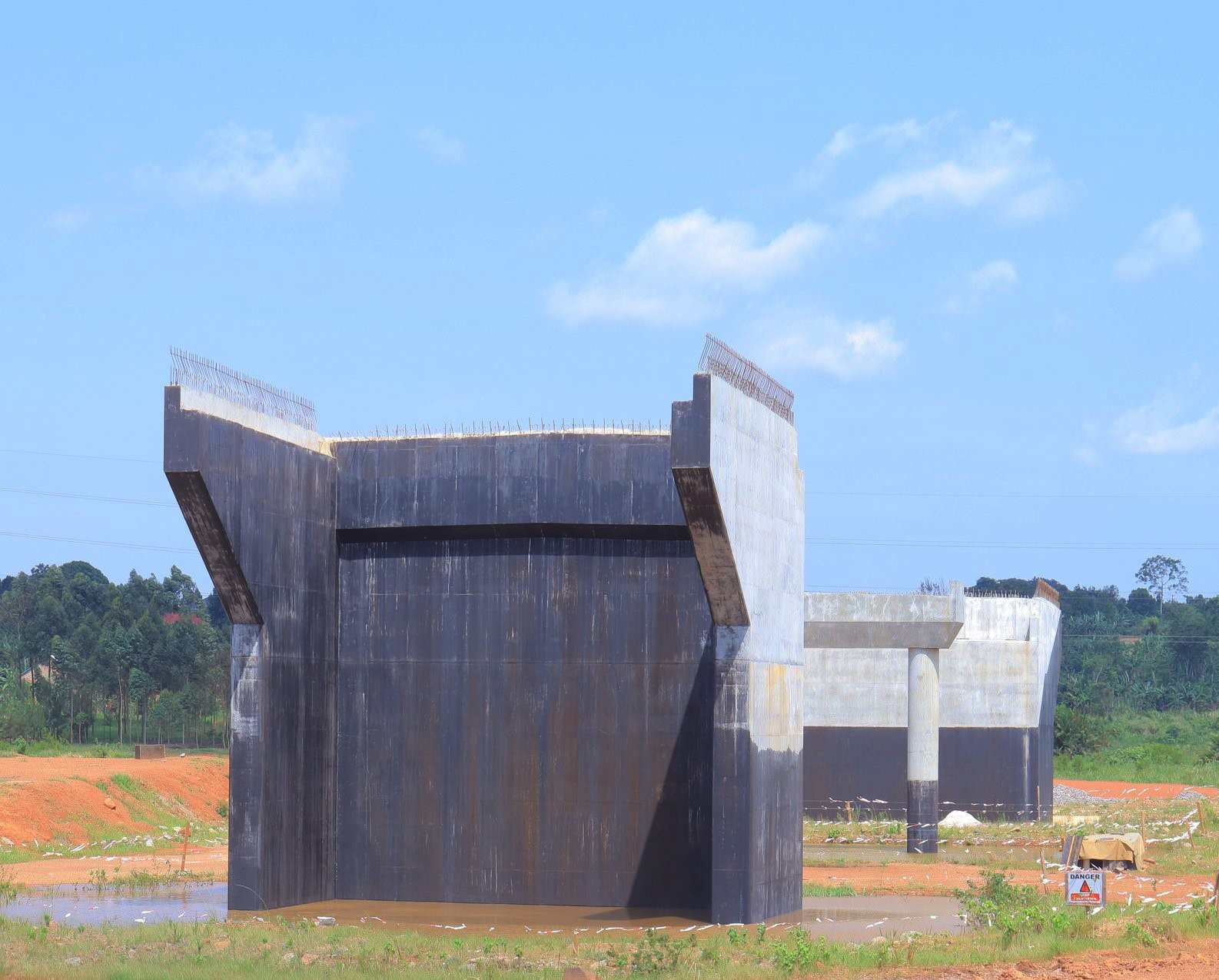
The project includes a four-lane expressway, access roads, bridges, drainage systems and interchanges intended to improve traffic flow and road safety.
The construction contract, worth approximately 547.5 billion shillings, was signed in June 2019, with work beginning in 2020. The project was initially expected to be completed in 2023, but delays, funding shortages, design revisions and land acquisition challenges have repeatedly pushed back the deadline.
An audit by the Auditor General identified a fundamental weakness in the project’s preparation: the contract was awarded before adequate detailed engineering designs had been completed. The designs were submitted later, resulting in substantial revisions to the project’s estimated cost.
By March 2023, the estimated cost had risen to approximately 1.35 trillion shillings.
The Auditor General subsequently reported that by May 2024, the funds available under the original civil works contract had been exhausted even though physical progress stood at only 40.86 per cent.
By the end of June 2024, certified works worth 30.8 billion shillings remained unpaid, raising concerns about delayed payments, possible claims by the contractor and further increases in the final cost.
The Works Ministry has attributed the increase partly to changes in the road’s alignment and scope, including additional interchanges and connecting roads.
The controversy intensified in March 2026 when Parliament’s Committee on Physical Infrastructure questioned ministry officials about the sharp increase in the contract price. Lawmakers demanded the original contract and a clearer account of the decisions behind the additional expenditure.
The inquiry has also examined allegations that changes to the road alignment created new compensation obligations and may have benefited individuals who owned land along the revised route. Such claims remain subject to investigation.
In July, the Inspectorate conducted an on-site inspection to gather evidence about the redesign, the rise in the project’s cost and allegations of the misuse of funds. The visit followed disciplinary action against engineers Edwin Raymond Kiyaga and Dickens Ahimbisibwe, who were suspended over allegations linked to the project and its access roads.
President Yoweri Museveni also called for investigations into the handling of the project, raising questions about how substantial funding had been spent while construction remained incomplete.
The government has since pursued additional financing to complete the works. Parliament approved further funding in October 2025, including support from the African Development Bank and the African Development Fund. Construction resumed in 2026 after funding constraints had interrupted progress.
Ministry figures presented to Parliament put physical progress at 47.15 per cent by June 2026, with completion now expected by December 2028.
The government has indicated that the expressway itself could cost about 1.3 trillion shillings, while a proposed Busega Systems Interchange could require a further 700 billion shillings. Together, the estimates put the wider project and associated works at about 2 trillion shillings.