
• Latest
  • Trending
  • All
  • News
  • Business
  • Politics
  • Science
  • World
  • Lifestyle
  • Tech
Counterfeit Cash : Post bank has suspended the responsible staff pending conclusion of the investigation

Counterfeit Cash : Post bank has suspended the responsible staff pending conclusion of the investigation

November 29, 2024
Refined headline: School-Based Diabetes Program Sparks New Hope for Prevention in Western Uganda How the World Diabetes Foundation’s School Program Is Transforming Diabetes Prevention By Kitts D. Mabonga Awareness of diabetes and its complications remains critically low in Uganda, with an estimated 75% of people living with the condition undiagnosed. This gap has made prevention and early detection an urgent public health priority. In response, the World Diabetes Foundation (WDF) launched a school-based diabetes prevention program targeting Mbarara District and Isingiro District, home to a combined population of about 900,000 people. The initiative focuses on primary prevention, particularly tackling obesity and reducing the risk of diabetes through education and lifestyle changes. A School-Centered Approach The program places schools at the heart of community transformation. Its key strategy is promoting healthy lifestyles while equipping students, teachers, and parents with knowledge about diabetes prevention. To ensure effectiveness, a project monitoring group was established to oversee implementation, develop educational materials, and guide health promotion efforts. A baseline Knowledge, Attitudes, and Practices (KAP) survey was also conducted to measure impact. Key Interventions The initiative rolled out several practical and community-driven activities: Training and mentorship: Students aged 10–18, along with teachers and parents, were trained as peer educators through tailored one-day camps. Physical activity promotion: Schools received sports equipment and were encouraged to develop playgrounds to keep learners active. School food gardens: Gardens were introduced to promote healthy eating, supply fresh produce for school meals, and encourage better nutrition practices within communities. Weekly health education: Trained educators conducted regular sessions on diabetes awareness and prevention. Health camps and screenings: Six large health camps were organized, offering free medical check-ups and glucose testing. Individuals diagnosed with diabetes were referred to Mbarara Community Hospital for further care. Mass media outreach: Educational TV and radio programs were broadcast to raise awareness about diabetes risk factors and healthy living. Measurable Impact By the end of the project, the results reflected significant progress: 998 students, 400 parents, and 392 teachers trained as peer educators Over 19,900 students sensitized on diabetes prevention and management 1,188 teachers and 3,506 parents reached with awareness messages 100 school food gardens established Approximately 750,000 people reached through media campaigns Multiple reports and school competitions conducted to sustain engagement Most notably, follow-up KAP surveys showed substantial improvements in diabetes knowledge, increased consumption of fruits and vegetables, and higher levels of daily physical activity. A Model for the Future The program demonstrates how schools can serve as powerful platforms for public health interventions. By combining education, community involvement, and practical lifestyle changes, the initiative has not only raised awareness but also inspired long-term behavioral change. As Uganda continues to grapple with rising non-communicable diseases, this model offers a scalable and sustainable pathway to prevention—starting with the youngest members of society

Refined headline: School-Based Diabetes Program Sparks New Hope for Prevention in Western Uganda How the World Diabetes Foundation’s School Program Is Transforming Diabetes Prevention By Kitts D. Mabonga Awareness of diabetes and its complications remains critically low in Uganda, with an estimated 75% of people living with the condition undiagnosed. This gap has made prevention and early detection an urgent public health priority. In response, the World Diabetes Foundation (WDF) launched a school-based diabetes prevention program targeting Mbarara District and Isingiro District, home to a combined population of about 900,000 people. The initiative focuses on primary prevention, particularly tackling obesity and reducing the risk of diabetes through education and lifestyle changes. A School-Centered Approach The program places schools at the heart of community transformation. Its key strategy is promoting healthy lifestyles while equipping students, teachers, and parents with knowledge about diabetes prevention. To ensure effectiveness, a project monitoring group was established to oversee implementation, develop educational materials, and guide health promotion efforts. A baseline Knowledge, Attitudes, and Practices (KAP) survey was also conducted to measure impact. Key Interventions The initiative rolled out several practical and community-driven activities: Training and mentorship: Students aged 10–18, along with teachers and parents, were trained as peer educators through tailored one-day camps. Physical activity promotion: Schools received sports equipment and were encouraged to develop playgrounds to keep learners active. School food gardens: Gardens were introduced to promote healthy eating, supply fresh produce for school meals, and encourage better nutrition practices within communities. Weekly health education: Trained educators conducted regular sessions on diabetes awareness and prevention. Health camps and screenings: Six large health camps were organized, offering free medical check-ups and glucose testing. Individuals diagnosed with diabetes were referred to Mbarara Community Hospital for further care. Mass media outreach: Educational TV and radio programs were broadcast to raise awareness about diabetes risk factors and healthy living. Measurable Impact By the end of the project, the results reflected significant progress: 998 students, 400 parents, and 392 teachers trained as peer educators Over 19,900 students sensitized on diabetes prevention and management 1,188 teachers and 3,506 parents reached with awareness messages 100 school food gardens established Approximately 750,000 people reached through media campaigns Multiple reports and school competitions conducted to sustain engagement Most notably, follow-up KAP surveys showed substantial improvements in diabetes knowledge, increased consumption of fruits and vegetables, and higher levels of daily physical activity. A Model for the Future The program demonstrates how schools can serve as powerful platforms for public health interventions. By combining education, community involvement, and practical lifestyle changes, the initiative has not only raised awareness but also inspired long-term behavioral change. As Uganda continues to grapple with rising non-communicable diseases, this model offers a scalable and sustainable pathway to prevention—starting with the youngest members of society

April 18, 2026
Why Kawempe RCC Kagenyi Withdrew Orders On Katanga Land

Why Kawempe RCC Kagenyi Withdrew Orders On Katanga Land

April 18, 2026
Youth break the silence on puberty, periods, and violence in a bold community awakening

Youth break the silence on puberty, periods, and violence in a bold community awakening

April 18, 2026
GROW Project:  A catalytic initiative designed to unlock the full potential of women entrepreneurs 

GROW Project:  A catalytic initiative designed to unlock the full potential of women entrepreneurs 

April 18, 2026
Seeta University Secures National Accreditation to Offer Bachelor of Pharmacy Programme

Seeta University Secures National Accreditation to Offer Bachelor of Pharmacy Programme

April 18, 2026
Pool Cranes fired up after tough loss to hosts in South Africa

Heavyweights shake up PAU race as Onyango, Meyan declare bid

April 18, 2026
Ministries sound alarm over budget Shortfalls as service delivery falters

Ministries sound alarm over budget Shortfalls as service delivery falters

April 18, 2026
South Africa’s opposition leader gets five year prison sentence, after an eight year legal battle 

South Africa’s opposition leader gets five year prison sentence, after an eight year legal battle 

April 17, 2026
Man apprehended in connection with defilement of an eight-year-old girl

Man apprehended in connection with defilement of an eight-year-old girl

April 17, 2026
VP Alupo passes-out over 1200 prisons officers, urges responsible lifestyles

VP Alupo passes-out over 1200 prisons officers, urges responsible lifestyles

April 17, 2026
The phone that stole a surgeon’s life

Six students arrested after alleged brutal robbery of fellow student in Mbale City

April 17, 2026
Trial of Ggaba Child Murder Suspect Adjourned Over ill Health Concerns

Detailed Medical Testimony Heard in Okello Child Murder Trial

April 17, 2026
  • About
  • Advertise
  • Privacy & Policy
  • Contact
Saturday, April 18, 2026
  • Login
Ugnews Line
  • Home
  • News
    • Sports
    • Crime
    • Business
    • Politics
    • Blogs
  • Tech
  • Agriculture
  • Opinion
  • Entertainment
  • Lifestyle
Ugnews Line
No Result
View All Result
Home Crime

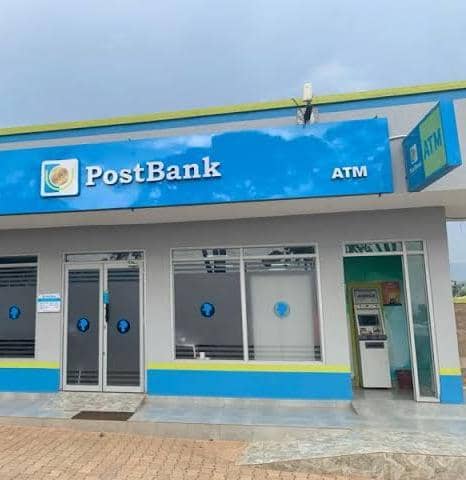
Counterfeit Cash : Post bank has suspended the responsible staff pending conclusion of the investigation

Earlier last this week, PostBank (PBU) confirmed that the bank’s internal control mechanism had discovered counterfeit notes worth Five Hundred Million Uganda Shillings in Mbale branch

by Wasswa Deo
November 29, 2024
in Crime
Reading Time: 1 min read
A A
0
12
SHARES
66
VIEWS
Share on FacebookShare on TwitterLinkedinWhatsAppEmail

Counterfiet Cash : The information from Post Bank Uganda revealed that Initial investigations point to a collusion of the bank’s custodians of cash at Mbale branch.

Acoording to the Bank’s Management,  the latest update is that Uganda Police has arrested the implicated staff, and where there were lapses in oversight of the branch operations, the bank has suspended the responsible staff pending conclusion of the investigation.

“All the steps that we are taking are in line with the bank’s policies and procedures, and the culprits will be brought to book according to the laws of Uganda.” The bank stated, adding that this is an isolated incident, and it assure the public that all transactions are safe.

“Integrity is critical to us, and because you are the reason we exist, we believe it is important to update you on the progress of the ongoing investigation in the most transparent way. We re-assure you of our promise to foster your prosperity at every step of your financial journey.” said the management.

Earlier last this week, PostBank (PBU) confirmed that the bank’s internal control mechanism had discovered counterfeit notes worth Five Hundred Million Uganda Shillings in Mbale branch, and that the matter had been escalated to the Police.

Tags: Counterfiet cashFEATUREDManagementPolicePost BankUpdate
Wasswa Deo

Wasswa Deo

Related Posts

South Africa’s opposition leader gets five year prison sentence, after an eight year legal battle 

South Africa’s opposition leader gets five year prison sentence, after an eight year legal battle 

by J Andrew
April 17, 2026
0
61

A South African court has handed a five-year prison sentence to Julius Malema, marking a dramatic turn in the career...

Man apprehended in connection with defilement of an eight-year-old girl

Man apprehended in connection with defilement of an eight-year-old girl

by Ugnewsline Reporter
April 17, 2026
0
93

Following a video circulating on social media showing a man allegedly defiling a female juvenile, Police in Wakiso have arrested...

The phone that stole a surgeon’s life

Six students arrested after alleged brutal robbery of fellow student in Mbale City

by J Andrew
April 17, 2026
0
65

Police in Mbale City Northern Division are investigating a case of aggravated robbery in which six students of Nkoma Secondary...

Police raids traditional marriage ceremony, rescues 16-year-old bride

Police raids traditional marriage ceremony, rescues 16-year-old bride

by Raymond Hassan Sango
April 17, 2026
0
70

What was shaping up to be a traditional marriage ceremony in the quiet hills of Kiboga District abruptly turned into...

  • Makerere’s CHUSS Pledges to Strengthen Collaboration with JICA Program for Japanese Studies

    Makerere’s CHUSS Pledges to Strengthen Collaboration with JICA Program for Japanese Studies

    20 shares
    Share 8 Tweet 5
  • Gov’t, UWASNET Unveil first-ever WASH Impact and Influence Awards’ categories

    33 shares
    Share 13 Tweet 8
  • The search for Miss and Mr University Uganda is Back

    67 shares
    Share 27 Tweet 17
  • The third edition of Business Languages Festival 2025 launched

    27 shares
    Share 11 Tweet 7
  • UCE RESULTS: Fort Portal secondary school shines again

    136 shares
    Share 54 Tweet 34
Refined headline: School-Based Diabetes Program Sparks New Hope for Prevention in Western Uganda How the World Diabetes Foundation’s School Program Is Transforming Diabetes Prevention By Kitts D. Mabonga Awareness of diabetes and its complications remains critically low in Uganda, with an estimated 75% of people living with the condition undiagnosed. This gap has made prevention and early detection an urgent public health priority. In response, the World Diabetes Foundation (WDF) launched a school-based diabetes prevention program targeting Mbarara District and Isingiro District, home to a combined population of about 900,000 people. The initiative focuses on primary prevention, particularly tackling obesity and reducing the risk of diabetes through education and lifestyle changes. A School-Centered Approach The program places schools at the heart of community transformation. Its key strategy is promoting healthy lifestyles while equipping students, teachers, and parents with knowledge about diabetes prevention. To ensure effectiveness, a project monitoring group was established to oversee implementation, develop educational materials, and guide health promotion efforts. A baseline Knowledge, Attitudes, and Practices (KAP) survey was also conducted to measure impact. Key Interventions The initiative rolled out several practical and community-driven activities: Training and mentorship: Students aged 10–18, along with teachers and parents, were trained as peer educators through tailored one-day camps. Physical activity promotion: Schools received sports equipment and were encouraged to develop playgrounds to keep learners active. School food gardens: Gardens were introduced to promote healthy eating, supply fresh produce for school meals, and encourage better nutrition practices within communities. Weekly health education: Trained educators conducted regular sessions on diabetes awareness and prevention. Health camps and screenings: Six large health camps were organized, offering free medical check-ups and glucose testing. Individuals diagnosed with diabetes were referred to Mbarara Community Hospital for further care. Mass media outreach: Educational TV and radio programs were broadcast to raise awareness about diabetes risk factors and healthy living. Measurable Impact By the end of the project, the results reflected significant progress: 998 students, 400 parents, and 392 teachers trained as peer educators Over 19,900 students sensitized on diabetes prevention and management 1,188 teachers and 3,506 parents reached with awareness messages 100 school food gardens established Approximately 750,000 people reached through media campaigns Multiple reports and school competitions conducted to sustain engagement Most notably, follow-up KAP surveys showed substantial improvements in diabetes knowledge, increased consumption of fruits and vegetables, and higher levels of daily physical activity. A Model for the Future The program demonstrates how schools can serve as powerful platforms for public health interventions. By combining education, community involvement, and practical lifestyle changes, the initiative has not only raised awareness but also inspired long-term behavioral change. As Uganda continues to grapple with rising non-communicable diseases, this model offers a scalable and sustainable pathway to prevention—starting with the youngest members of society

Refined headline: School-Based Diabetes Program Sparks New Hope for Prevention in Western Uganda How the World Diabetes Foundation’s School Program Is Transforming Diabetes Prevention By Kitts D. Mabonga Awareness of diabetes and its complications remains critically low in Uganda, with an estimated 75% of people living with the condition undiagnosed. This gap has made prevention and early detection an urgent public health priority. In response, the World Diabetes Foundation (WDF) launched a school-based diabetes prevention program targeting Mbarara District and Isingiro District, home to a combined population of about 900,000 people. The initiative focuses on primary prevention, particularly tackling obesity and reducing the risk of diabetes through education and lifestyle changes. A School-Centered Approach The program places schools at the heart of community transformation. Its key strategy is promoting healthy lifestyles while equipping students, teachers, and parents with knowledge about diabetes prevention. To ensure effectiveness, a project monitoring group was established to oversee implementation, develop educational materials, and guide health promotion efforts. A baseline Knowledge, Attitudes, and Practices (KAP) survey was also conducted to measure impact. Key Interventions The initiative rolled out several practical and community-driven activities: Training and mentorship: Students aged 10–18, along with teachers and parents, were trained as peer educators through tailored one-day camps. Physical activity promotion: Schools received sports equipment and were encouraged to develop playgrounds to keep learners active. School food gardens: Gardens were introduced to promote healthy eating, supply fresh produce for school meals, and encourage better nutrition practices within communities. Weekly health education: Trained educators conducted regular sessions on diabetes awareness and prevention. Health camps and screenings: Six large health camps were organized, offering free medical check-ups and glucose testing. Individuals diagnosed with diabetes were referred to Mbarara Community Hospital for further care. Mass media outreach: Educational TV and radio programs were broadcast to raise awareness about diabetes risk factors and healthy living. Measurable Impact By the end of the project, the results reflected significant progress: 998 students, 400 parents, and 392 teachers trained as peer educators Over 19,900 students sensitized on diabetes prevention and management 1,188 teachers and 3,506 parents reached with awareness messages 100 school food gardens established Approximately 750,000 people reached through media campaigns Multiple reports and school competitions conducted to sustain engagement Most notably, follow-up KAP surveys showed substantial improvements in diabetes knowledge, increased consumption of fruits and vegetables, and higher levels of daily physical activity. A Model for the Future The program demonstrates how schools can serve as powerful platforms for public health interventions. By combining education, community involvement, and practical lifestyle changes, the initiative has not only raised awareness but also inspired long-term behavioral change. As Uganda continues to grapple with rising non-communicable diseases, this model offers a scalable and sustainable pathway to prevention—starting with the youngest members of society

April 18, 2026
Why Kawempe RCC Kagenyi Withdrew Orders On Katanga Land

Why Kawempe RCC Kagenyi Withdrew Orders On Katanga Land

April 18, 2026
Youth break the silence on puberty, periods, and violence in a bold community awakening

Youth break the silence on puberty, periods, and violence in a bold community awakening

April 18, 2026
  • Trending
  • Comments
  • Latest
Over 500 Students Gather at Gayaza High for 11th Annual School Farm Camp

Over 500 Students Gather at Gayaza High for 11th Annual School Farm Camp

August 23, 2025
UCE RESULTS: Fort Portal secondary school shines again

UCE RESULTS: Fort Portal secondary school shines again

February 11, 2025
Sex worker found dead in a lodge, police launch investigation

Sex worker found dead in a lodge, police launch investigation

September 10, 2025
Implementing Congestion Pricing in Kampala to Ease Traffic: A Strategic Approach

Implementing Congestion Pricing in Kampala to Ease Traffic: A Strategic Approach

January 4, 2025
Busoga’s Coffee Farmers Told to Register or Risk Losing Market Share

Busoga’s Coffee Farmers Told to Register or Risk Losing Market Share

1
Members of parliament propose a motion for gov’t to establish waste management fund

Members of parliament propose a motion for gov’t to establish waste management fund

1
Moneylenders guide public on how to steer clear of illegal operators

Moneylenders guide public on how to steer clear of illegal operators

1
Yara, Ministry of Agriculture partners to Strengthen Agricultural Standards

Yara, Ministry of Agriculture partners to Strengthen Agricultural Standards

1
Refined headline: School-Based Diabetes Program Sparks New Hope for Prevention in Western Uganda How the World Diabetes Foundation’s School Program Is Transforming Diabetes Prevention By Kitts D. Mabonga Awareness of diabetes and its complications remains critically low in Uganda, with an estimated 75% of people living with the condition undiagnosed. This gap has made prevention and early detection an urgent public health priority. In response, the World Diabetes Foundation (WDF) launched a school-based diabetes prevention program targeting Mbarara District and Isingiro District, home to a combined population of about 900,000 people. The initiative focuses on primary prevention, particularly tackling obesity and reducing the risk of diabetes through education and lifestyle changes. A School-Centered Approach The program places schools at the heart of community transformation. Its key strategy is promoting healthy lifestyles while equipping students, teachers, and parents with knowledge about diabetes prevention. To ensure effectiveness, a project monitoring group was established to oversee implementation, develop educational materials, and guide health promotion efforts. A baseline Knowledge, Attitudes, and Practices (KAP) survey was also conducted to measure impact. Key Interventions The initiative rolled out several practical and community-driven activities: Training and mentorship: Students aged 10–18, along with teachers and parents, were trained as peer educators through tailored one-day camps. Physical activity promotion: Schools received sports equipment and were encouraged to develop playgrounds to keep learners active. School food gardens: Gardens were introduced to promote healthy eating, supply fresh produce for school meals, and encourage better nutrition practices within communities. Weekly health education: Trained educators conducted regular sessions on diabetes awareness and prevention. Health camps and screenings: Six large health camps were organized, offering free medical check-ups and glucose testing. Individuals diagnosed with diabetes were referred to Mbarara Community Hospital for further care. Mass media outreach: Educational TV and radio programs were broadcast to raise awareness about diabetes risk factors and healthy living. Measurable Impact By the end of the project, the results reflected significant progress: 998 students, 400 parents, and 392 teachers trained as peer educators Over 19,900 students sensitized on diabetes prevention and management 1,188 teachers and 3,506 parents reached with awareness messages 100 school food gardens established Approximately 750,000 people reached through media campaigns Multiple reports and school competitions conducted to sustain engagement Most notably, follow-up KAP surveys showed substantial improvements in diabetes knowledge, increased consumption of fruits and vegetables, and higher levels of daily physical activity. A Model for the Future The program demonstrates how schools can serve as powerful platforms for public health interventions. By combining education, community involvement, and practical lifestyle changes, the initiative has not only raised awareness but also inspired long-term behavioral change. As Uganda continues to grapple with rising non-communicable diseases, this model offers a scalable and sustainable pathway to prevention—starting with the youngest members of society

Refined headline: School-Based Diabetes Program Sparks New Hope for Prevention in Western Uganda How the World Diabetes Foundation’s School Program Is Transforming Diabetes Prevention By Kitts D. Mabonga Awareness of diabetes and its complications remains critically low in Uganda, with an estimated 75% of people living with the condition undiagnosed. This gap has made prevention and early detection an urgent public health priority. In response, the World Diabetes Foundation (WDF) launched a school-based diabetes prevention program targeting Mbarara District and Isingiro District, home to a combined population of about 900,000 people. The initiative focuses on primary prevention, particularly tackling obesity and reducing the risk of diabetes through education and lifestyle changes. A School-Centered Approach The program places schools at the heart of community transformation. Its key strategy is promoting healthy lifestyles while equipping students, teachers, and parents with knowledge about diabetes prevention. To ensure effectiveness, a project monitoring group was established to oversee implementation, develop educational materials, and guide health promotion efforts. A baseline Knowledge, Attitudes, and Practices (KAP) survey was also conducted to measure impact. Key Interventions The initiative rolled out several practical and community-driven activities: Training and mentorship: Students aged 10–18, along with teachers and parents, were trained as peer educators through tailored one-day camps. Physical activity promotion: Schools received sports equipment and were encouraged to develop playgrounds to keep learners active. School food gardens: Gardens were introduced to promote healthy eating, supply fresh produce for school meals, and encourage better nutrition practices within communities. Weekly health education: Trained educators conducted regular sessions on diabetes awareness and prevention. Health camps and screenings: Six large health camps were organized, offering free medical check-ups and glucose testing. Individuals diagnosed with diabetes were referred to Mbarara Community Hospital for further care. Mass media outreach: Educational TV and radio programs were broadcast to raise awareness about diabetes risk factors and healthy living. Measurable Impact By the end of the project, the results reflected significant progress: 998 students, 400 parents, and 392 teachers trained as peer educators Over 19,900 students sensitized on diabetes prevention and management 1,188 teachers and 3,506 parents reached with awareness messages 100 school food gardens established Approximately 750,000 people reached through media campaigns Multiple reports and school competitions conducted to sustain engagement Most notably, follow-up KAP surveys showed substantial improvements in diabetes knowledge, increased consumption of fruits and vegetables, and higher levels of daily physical activity. A Model for the Future The program demonstrates how schools can serve as powerful platforms for public health interventions. By combining education, community involvement, and practical lifestyle changes, the initiative has not only raised awareness but also inspired long-term behavioral change. As Uganda continues to grapple with rising non-communicable diseases, this model offers a scalable and sustainable pathway to prevention—starting with the youngest members of society

April 18, 2026
Why Kawempe RCC Kagenyi Withdrew Orders On Katanga Land

Why Kawempe RCC Kagenyi Withdrew Orders On Katanga Land

April 18, 2026
Youth break the silence on puberty, periods, and violence in a bold community awakening

Youth break the silence on puberty, periods, and violence in a bold community awakening

April 18, 2026
GROW Project:  A catalytic initiative designed to unlock the full potential of women entrepreneurs 

GROW Project:  A catalytic initiative designed to unlock the full potential of women entrepreneurs 

April 18, 2026
Ugnews Line

Copyright © 2024 Ugnewsline.

Navigate Site

  • Home
  • News
  • Tech
  • Agriculture
  • Opinion
  • Entertainment
  • Lifestyle

Follow Us

Welcome Back!

Login to your account below

Forgotten Password?

Retrieve your password

Please enter your username or email address to reset your password.

Log In
No Result
View All Result
  • Home
  • News
    • Sports
    • Crime
    • Business
    • Politics
    • Blogs
  • Tech
  • Agriculture
  • Opinion
  • Entertainment
  • Lifestyle

Copyright © 2024 Ugnewsline.

This website uses cookies. By continuing to use this website you are giving consent to cookies being used. Visit our Privacy and Cookie Policy.