


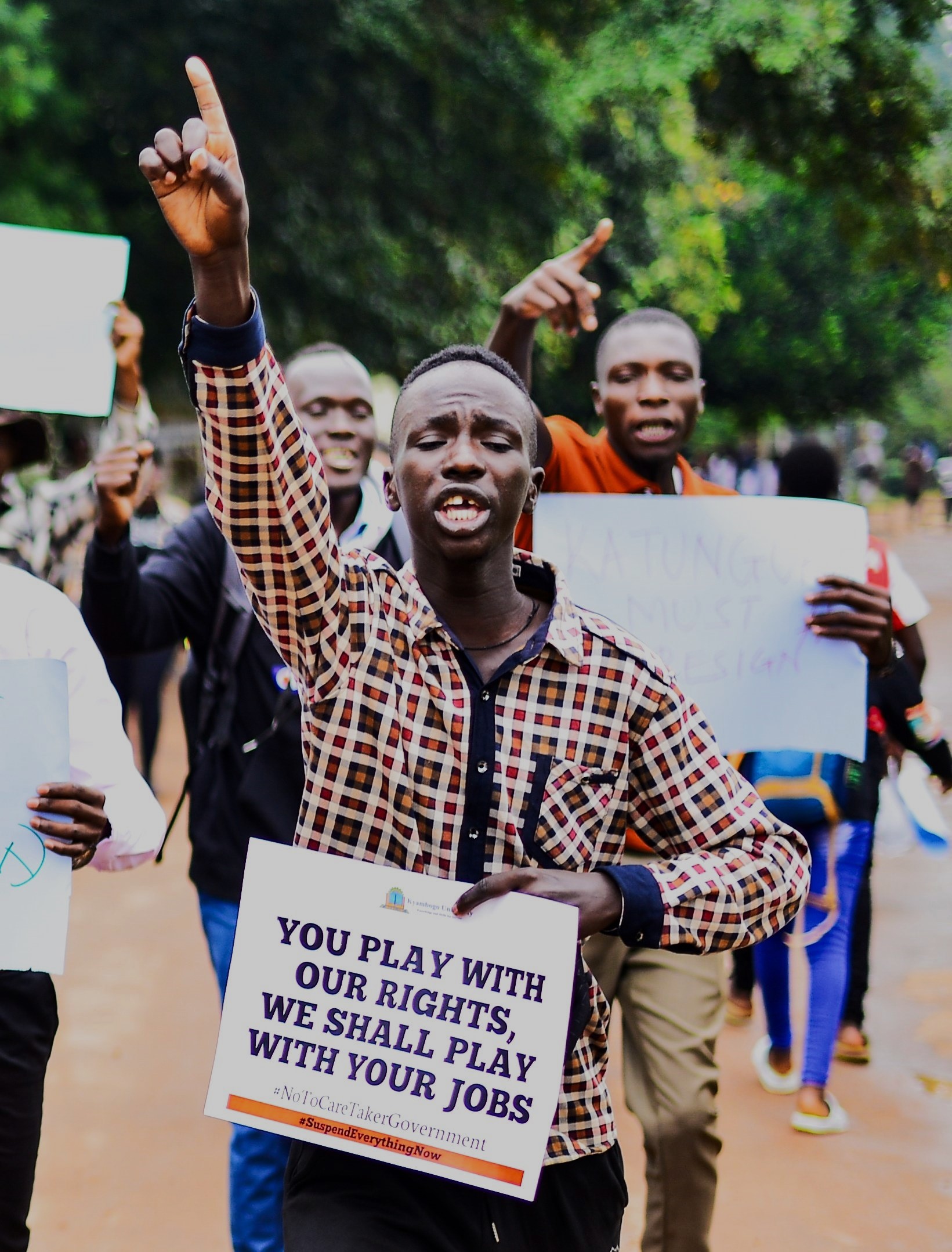
In Uganda, dismissal from university for disciplinary reasons often becomes a lifelong barrier, particularly when it comes to re-admission elsewhere.
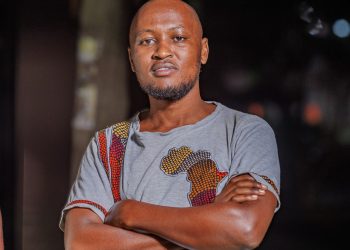
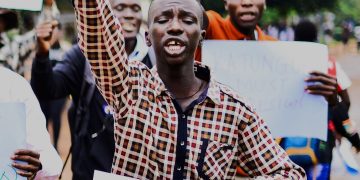
This is the sad reality now facing Benjamin Akiso, the recently dismissed Guild President of Kyambogo University, whose only “crime” appears to be leading students in protest, a role many would argue is central to any vibrant student democracy.
The Vice Chancellor, Prof. Elly Katunguka, in a letter dated July 3, 2025, confirmed that Akiso was dismissed after being found guilty of breaching peace, mounting roadblocks, and insubordination, following a disciplinary hearing by the Students’ Affairs and Welfare Committee.
The University Council later upheld the decision.
While discipline is undeniably essential in maintaining order in academic institutions, universities must also remember their responsibility to act in “loco parentis” (place of a parent), as moral guides and mentors for young adults still finding their way.
These students are not just learners; they are also citizens with a voice, ideals, frustrations, and, yes, the right to protest.
Akiso’s swift transition into elective politics, now eyeing the Toroma County MP seat under the National Unity Platform (NUP) banner, speaks volumes.
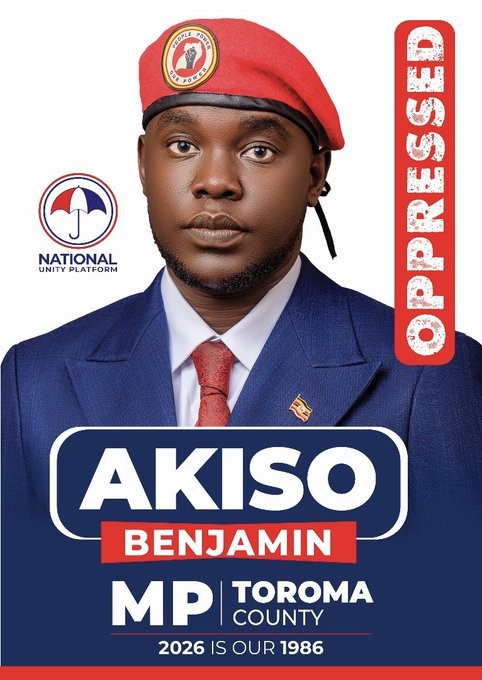
It reveals not only his resilience but also his yearning to remain engaged in public service, even after what many would call a harsh institutional verdict.
For a young person facing dismissal, turning that disappointment into political ambition is not a sign of rebellion; it’s a sign of untapped potential.
But here’s the larger issue: Why is it so hard for a dismissed student in Uganda to find a second chance? Other universities often quietly reject such students, regardless of the circumstances or their future intentions.
This lack of academic redemption is a silent crisis. Are we creating citizens who can learn from their mistakes and grow, or are we pushing them into permanent exile?
Professor Katunguka, a respected academic and leader, has an opportunity to reflect on this. Even the best-intentioned disciplinary decisions should leave the door open for future reform.
Harsh penalties without rehabilitation deny young people the chance to grow and correct course.
If a student leader like Akiso can be dismissed for protesting, a practice protected by our Constitution and historically embedded in Uganda’s own student movements, what message are we sending? That leadership is only welcome when it is silent?
Let’s not criminalize activism. Let’s not turn youthful missteps into lifetime punishments. And above all, let us urge our universities to lead not just with rules, but with the wisdom of compassion and the foresight to believe in second chances.
The Writer is Raymond Hassan Sango a journalists with www.Ugnewsline.com