



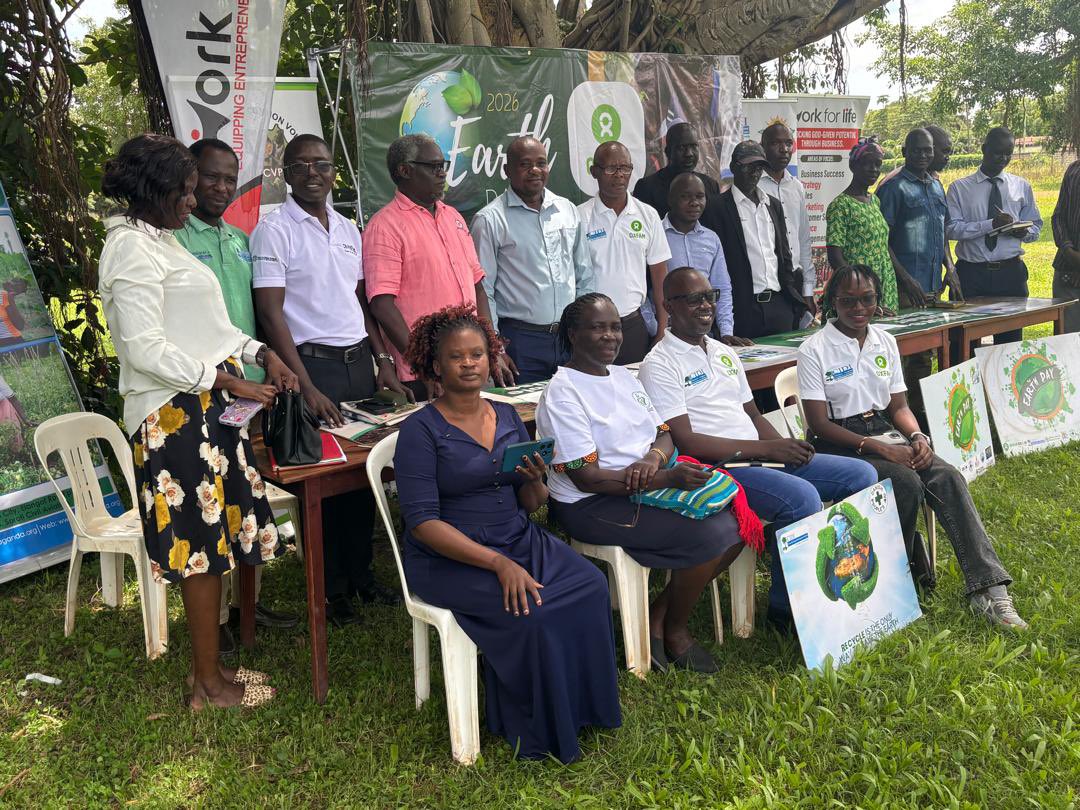
SOROTI CITY : The Government has announced plans to expand Uganda’s wetland coverage from 9.3% to 14%, a move that will involve reclaiming degraded wetlands currently occupied for farming and settlement. As part of this effort, residents living in wetlands have been directed to vacate with immediate effect.
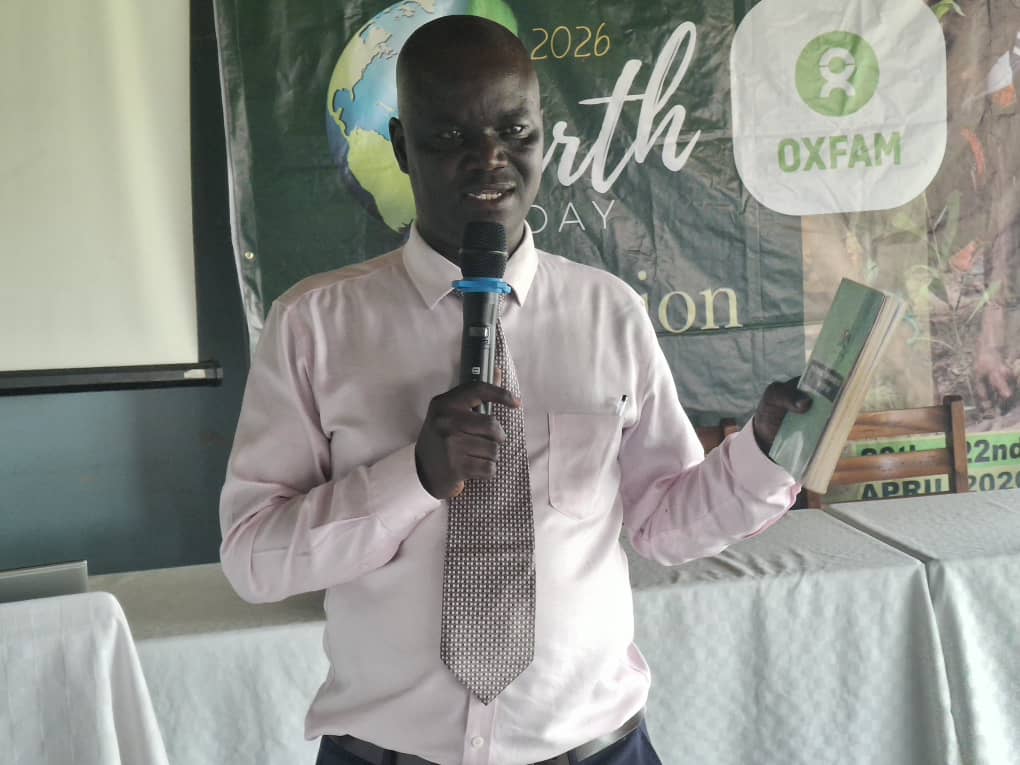
The directive was issued by Soroti City Environment Officer, Francis Ediau, during Earth Day celebrations held at Eneku Village. The event was organized by Community Integrated Development Initiatives (CIDI) in partnership with Oxfam, Work for Life, and other stakeholders.

Observed annually on Earth Day every April 22, this year’s celebrations in Soroti were held under the theme: “Our Power, Our Planet: Harnessing Community Action, Clean Energy and Green Enterprise for a Sustainable Soroti.”
Ediau noted that widespread encroachment on wetlands primarily for agriculture and settlement poses a serious threat to the environment. He emphasized the urgency of restoring these fragile ecosystems and called on the public to comply with eviction directives.

“This Earth Day reminds each of us of our responsibility to protect the environment,” Ediau said, adding that the government has established laws to safeguard environmental integrity and public safety.
At the same event, Inviola Nambi, Advocacy Officer at CIDI, presented a position paper based on findings from pre–Earth Day engagements with traders, students, and farmers across Soroti City. The report highlighted several community concerns requiring intervention from city and district authorities.

Among the key issues raised was the lack of enforcement of trade order at Soroti Central Market. Nambi pointed out that unregulated street vending continues to disadvantage registered traders operating داخل the market.
“There are many illegal vendors selling on the streets, yet registered traders inside the market are losing business because they pay dues while others do not,” she said.
Nambi also raised concerns about energy access within the market. The biogas system installed to provide clean cooking energy is largely non-functional, with only 4 out of 54 food kiosks connected. As a result, most vendors rely on indoor cooking methods that increase heat and carbon emissions.
“This situation is not only inefficient but also hazardous to people’s health,” she explained. “We are advocating for affordable and sustainable energy alternatives in line with this year’s theme.”
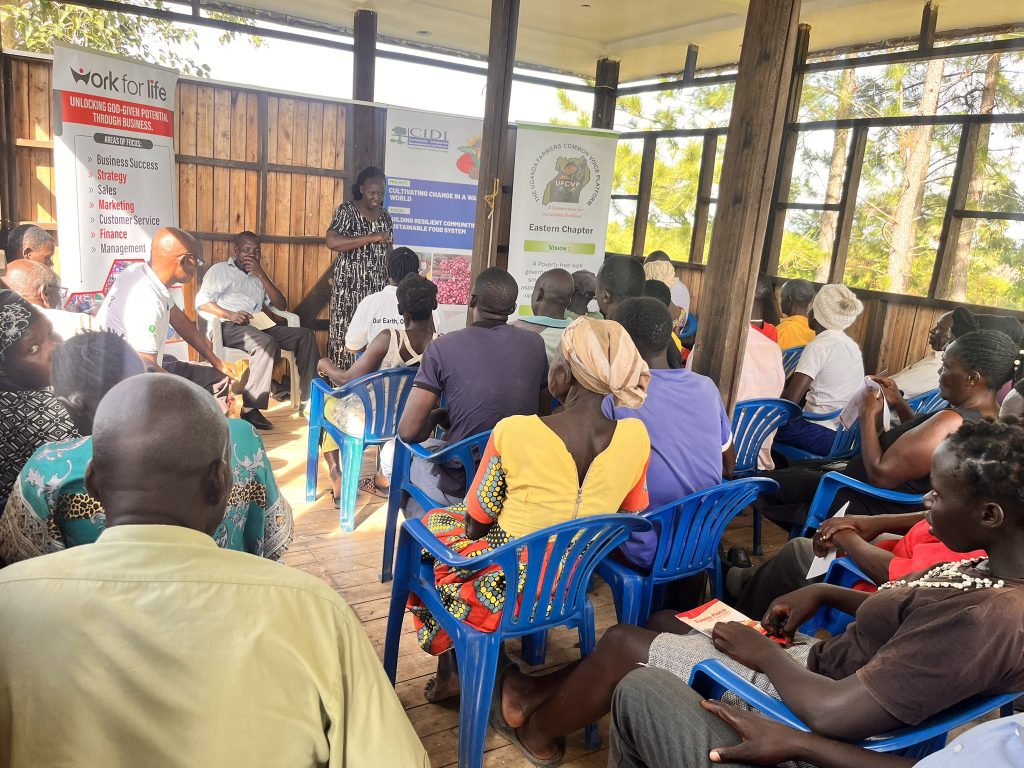
Simon Dembe, Coordinator of the African Climate Reality Project and Director of Work for Life, echoed these concerns. He noted that the position paper also identified poor solid waste management at the market as a major public health risk.
“A significant amount of waste is left uncollected within the market, exposing traders and customers to health hazards,” Dembe said.
Background on Earth Day Celebrations
Earth Day was first celebrated in 1970, founded by U.S. Senator Gaylord Nelson as a response to growing concerns about pollution and environmental degradation. The movement quickly gained momentum, mobilizing millions of people across the United States and eventually around the world.
Today, Earth Day is observed in more than 190 countries and serves as a global platform for environmental advocacy. It brings together governments, civil society, businesses, and communities to promote sustainable practices and raise awareness about critical issues such as climate change, biodiversity loss, pollution, and renewable energy.
Each year, Earth Day is guided by a specific theme that reflects current environmental priorities. Activities typically include tree planting, clean-up campaigns, policy dialogues, climate education, and community-driven initiatives aimed at protecting the planet.
In Uganda, Earth Day has increasingly become a platform for addressing local environmental challenges such as wetland degradation, deforestation, and urban waste management, while aligning with global efforts to build a more sustainable future.