


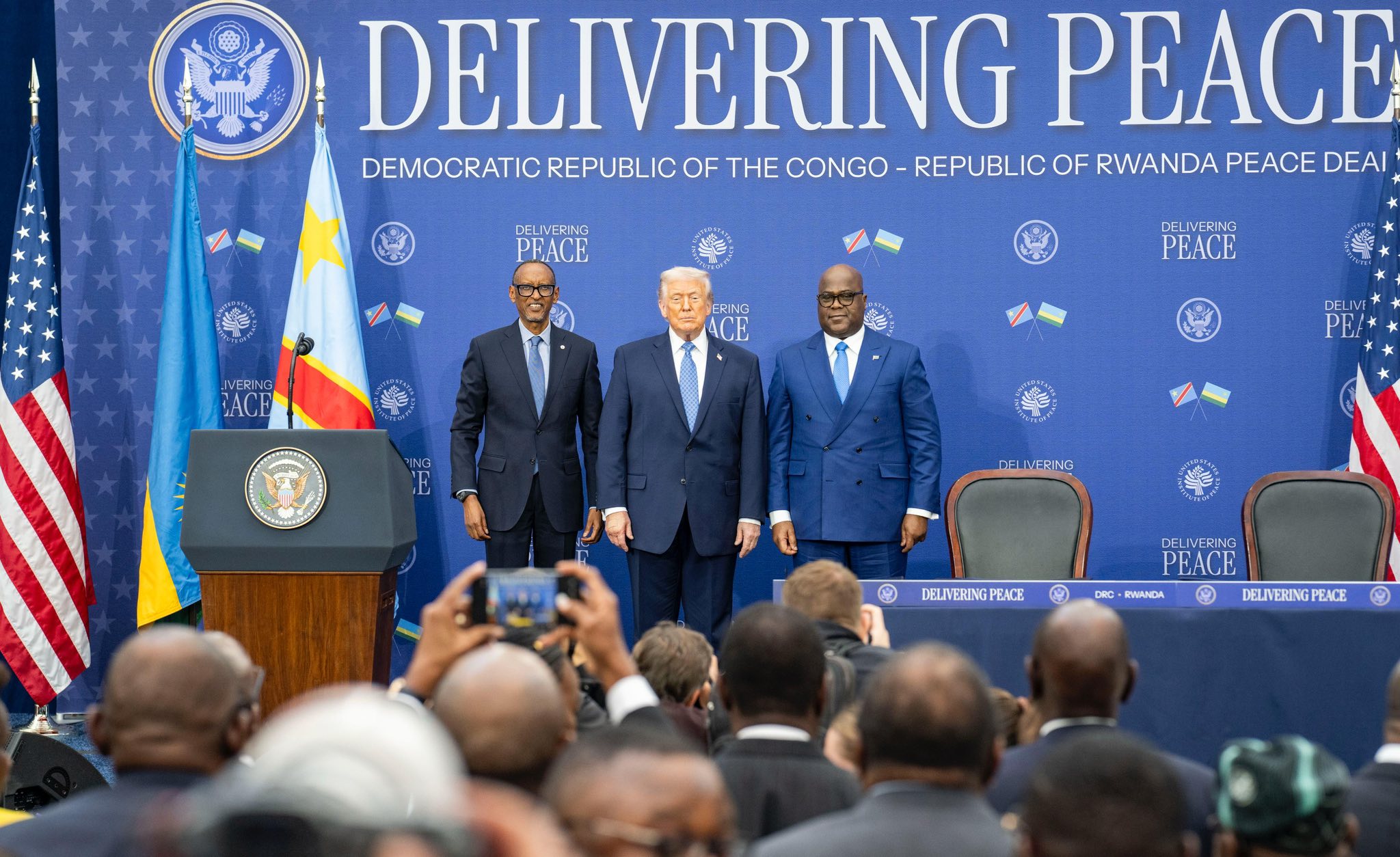
In a moment that could reshape the political and economic landscape of Central Africa, the Democratic Republic of the Congo and Rwanda have expanded their sweeping Regional Economic Integration Framework into a comprehensive plan aimed at dismantling the illicit networks that have fueled conflict for decades.
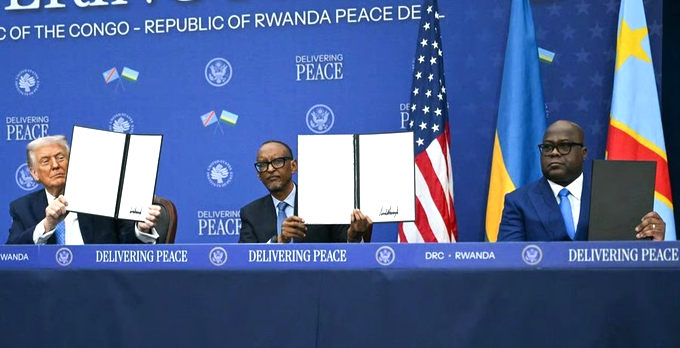
What began as a diplomatic breakthrough in Washington has now evolved into a granular roadmap that blends security, economics, conservation, and public health into a single vision for regional stability.
Kinshasa and Kigali frame the latest reforms as the backbone of a new era, one in which transparent mineral trade replaces smuggling, coordinated border enforcement supplants mistrust, and shared economic opportunity dampens the incentives for violence.
Their commitments go far beyond vague political statements: the two governments are preparing policy reforms designed to choke off trafficking networks, enhance cross-border transparency, and introduce independent oversight into the minerals sector.
These measures are paired with deeper rule-of-law reforms, stronger financial tracking systems, and coordinated investigative structures that both sides say are essential to cutting off the armed groups that have long profited from instability.
Border cooperation, historically one of the most politically fraught issues between the two neighbors, is poised for a major overhaul.
The agreement envisions customs agents, police, and financial intelligence units operating with unprecedented interoperability, sharing real-time data and participating in joint investigations and prosecutions.
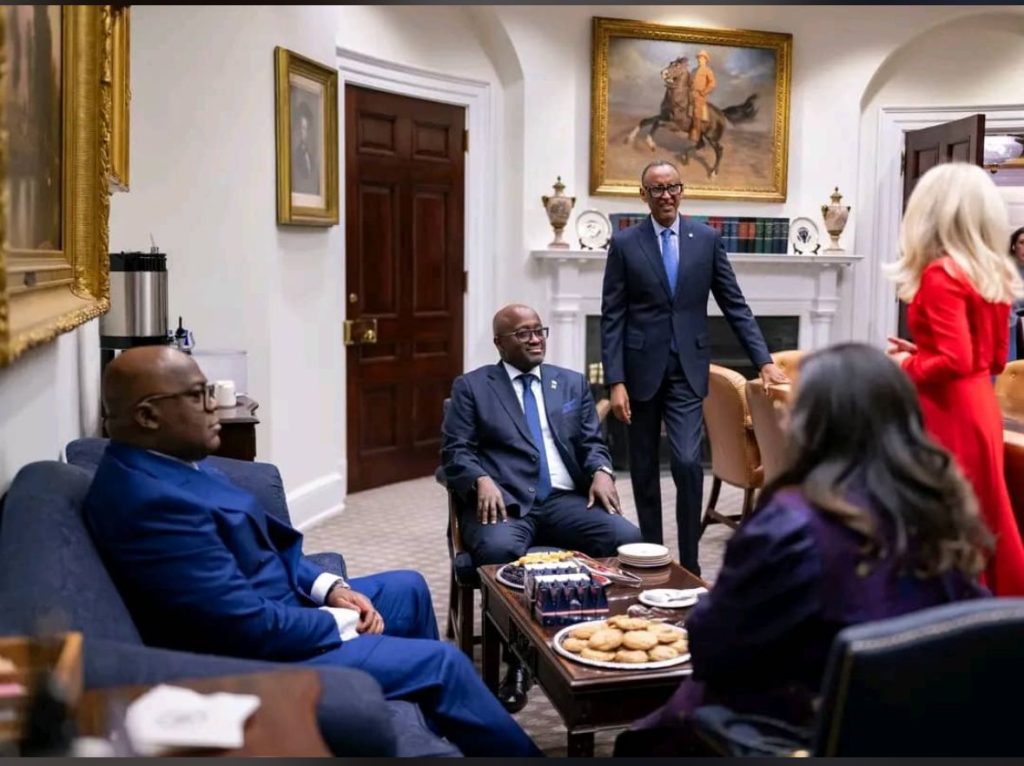
Rwanda and the DRC describe this as a defining test of their political resolve, arguing that success will not only disrupt illicit mineral flows but also bolster their credibility in countering money laundering and organized crime.
The economic dimensions of the pact are equally significant. Both countries insist that the long-term stability of the Great Lakes region depends on creating a modern, high-standard mining and processing industry capable of adding value within Africa instead of exporting raw wealth abroad.
They pledge regulatory predictability for investors, coordinated industrial strategies, and a shared approach to mineral processing that ensures both countries benefit equitably from royalties, revenue-sharing agreements, and joint ventures.
Ratification of the long-discussed Bilateral Investment Treaty is expected to signal to global markets that the partnership is durable and grounded in enforceable rules.
On the ground, the most transformative changes may come from the overhaul of artisanal and small-scale mining.
Hundreds of thousands depend on this informal sector, but it remains vulnerable to exploitation, corruption, and violence.
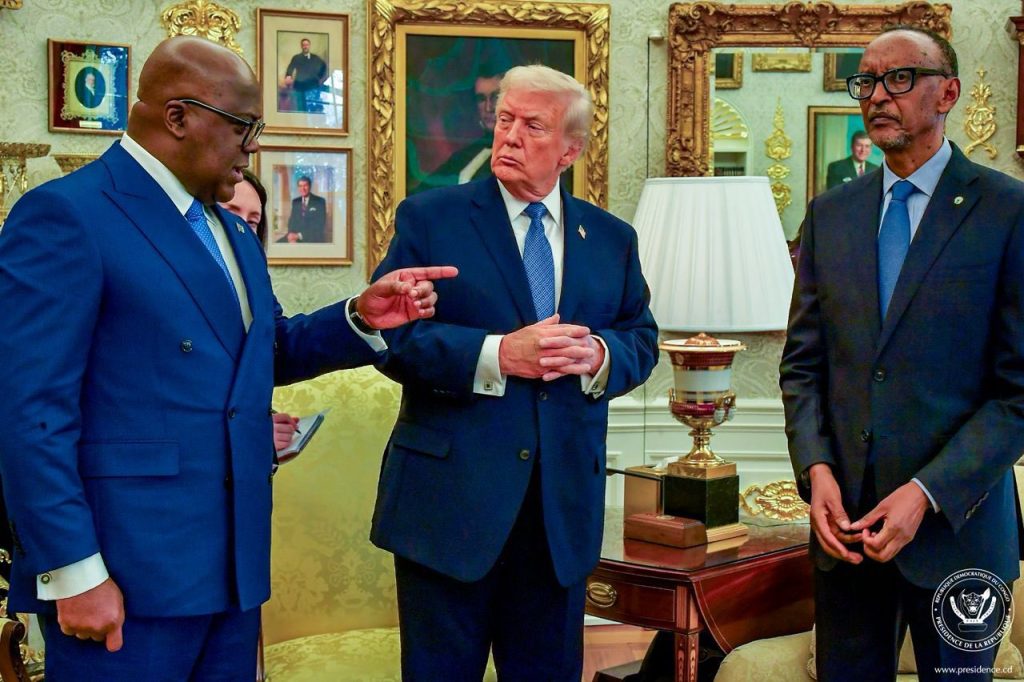
The new framework commits both governments to formalizing the sector with stronger safety rules, site management, transparent trading systems, and reliable access to finance.
They pledge to confront entrenched abuses, including child labor, gender-based violence, and hazardous working conditions, while building pathways for miners to pursue better-paid, safer livelihoods as the sector transitions.
Public-private tolling centers, equipped with automated tax systems and independent oversight, are positioned as a linchpin to ensure revenues reach the proper jurisdictions and smuggling incentives collapse.
The pact reaches far beyond minerals. The DRC and Rwanda aim to turn one of the world’s most extraordinary ecosystems, the Greater Virunga Landscape, into a unified frontier for conservation and ecotourism.
Through enhanced cooperation under the Greater Virunga Transboundary Collaboration, both countries plan joint ranger patrols, shared intelligence, harmonized conservation policies, and a One Health strategy linking human, animal, and environmental protection.
The two governments intend to market the region as a single, world-class tourism destination, supported by coordinated visa regimes, shared investment in park infrastructure, and community revenue-sharing schemes meant to ensure conservation delivers tangible benefits to local populations.
Health authorities on both sides of the border will exchange early-warning alerts, align outbreak-response protocols, and collaborate with global institutions on surveillance, vaccination campaigns, and laboratory standards.
Over time, the framework envisions joint scientific research, coordinated data systems, and even shared commercial initiatives in pharmaceuticals and biotechnology.
What distinguishes this pact from previous attempts at cooperation is its ambition and its architecture. Kigali and Kinshasa are establishing annual high-level summits, a steering committee, and a network of technical working groups charged with converting policy commitments into measurable progress.
Local communities, too often sidelined in past regional initiatives, are promised a central role through reporting mechanisms, grievance channels, and direct representation in implementation bodies.
International partners, especially the United States, are expected to provide financing, monitoring, and technical support.
The framework is set to enter into force once security-related plans tied to June’s peace agreement are validated by the Joint Oversight Committee.
Until then, both governments have agreed to avoid public messaging that could undermine the delicate diplomatic balance underpinning the pact.
Whether the agreement can overcome decades of suspicion, entrenched interests, and the political volatility of the region remains uncertain.
But for the first time in years, the DRC and Rwanda are putting forward a coherent, forward-looking vision that treats economic interdependence and shared governance not as threats, but as the foundations of peace.
If implemented faithfully, the initiative could mark a critical turning point in a region where mineral wealth has too often meant misery rather than prosperity.