


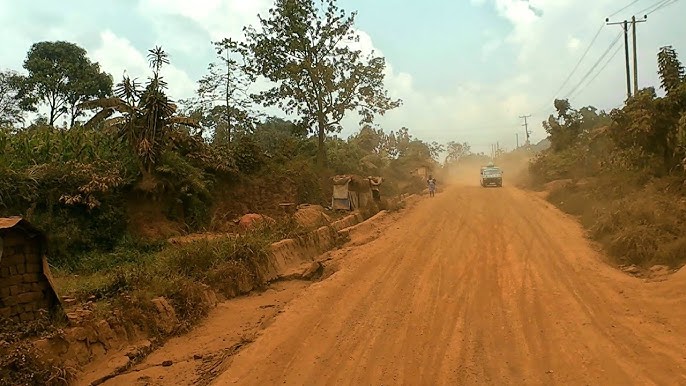
As the dry season takes hold across many parts of Uganda, health experts are urging the public to take extra precautions to protect themselves from diseases and other health risks commonly associated with prolonged hot and dusty weather.
The dry season is often accompanied by high temperatures, dusty winds and limited access to clean water in some communities, creating conditions that increase the spread of several illnesses while also exposing people to dehydration, heat-related complications and respiratory problems.
Medical experts say children, older persons, pregnant women and people living with chronic illnesses are among those most vulnerable during this period.
One of the most common health concerns during the dry season is dehydration, which occurs when the body loses more fluids than it takes in. Symptoms include excessive thirst, dizziness, headaches, fatigue and dark-coloured urine. Severe dehydration can become life-threatening if left untreated.
Respiratory infections also become more common as dust particles irritate the nose, throat and lungs. People with asthma, allergies and other chronic respiratory conditions often experience worsening symptoms during the dry months. Common illnesses include coughs, influenza, pneumonia and bronchitis.
The dry weather can also increase the risk of eye infections and skin conditions Dust may cause eye irritation, redness and infections such as conjunctivitis, while prolonged exposure to the sun can lead to sunburn, heat rash and dry, cracked skin.
Although malaria is generally associated with the rainy season, health experts caution that mosquitoes can still breed in stagnant water stored around homes during the dry season. Poor water storage practices may also increase the risk of diarrhoeal diseases, cholera and typhoid if the water becomes contaminated.
Food safety is another concern, as high temperatures can cause food to spoil quickly, increasing the risk of food poisoning if meals are not properly prepared or stored.
The dry season also increases the likelihood of bushfires and accidental fires, especially in areas where people burn vegetation for farming or dispose of rubbish through open burning. Such fires can destroy property, crops and wildlife while producing smoke that affects air quality.
Health professionals advise the public to drink plenty of safe, clean water throughout the day, even when they do not feel thirsty. They also recommend eating fruits and vegetables with high water content, such as watermelon, oranges and cucumbers, to help maintain hydration.
People are encouraged to avoid prolonged exposure to direct sunlight, particularly between late morning and mid-afternoon when temperatures are highest. Wearing light-coloured, loose-fitting clothing, wide-brimmed hats and sunscreen can help reduce the effects of extreme heat.
To minimise exposure to dust, residents should keep homes clean, close windows during strong winds where possible and wear face masks when travelling on dusty roads or working in dusty environments.
Proper handwashing with soap, safe food handling and drinking treated or boiled water remain essential in preventing diarrhoeal diseases and other infections.
Communities are also advised to clear dry vegetation around homes, avoid careless disposal of cigarette butts and refrain from unnecessary bush burning to reduce the risk of wildfires.
Health experts further urge people experiencing persistent fever, difficulty breathing, severe dehydration or other serious symptoms to seek immediate medical attention rather than self-medicating.
As Uganda experiences the dry season, experts say simple preventive measures can significantly reduce the risk of illness and help individuals and families remain healthy until the rains return.