


KAMPALA, Uganda (UGNEWSLINE) –Education experts and disability advocates have called for better systems to identify and support learners with dyslexia, warning that gaps in awareness and assessment continue to leave many students without the help they need.
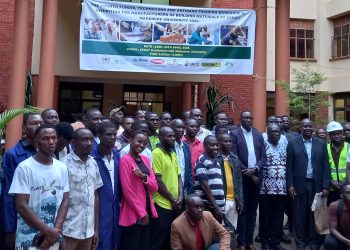
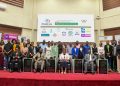
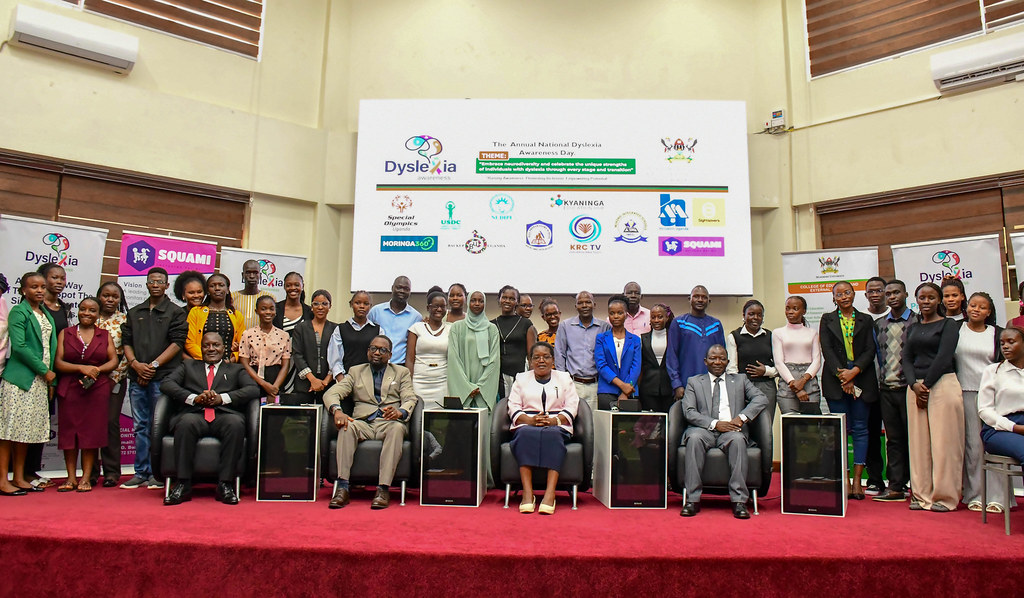
The call was made during the fourth National Dyslexia Awareness Day held at the Makerere University School of Public Health Auditorium on Friday, October 2, 2026.
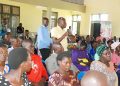
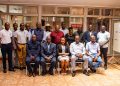
The gathering brought together academics, teachers, parents, learners, government officials and organisations working in the disability sector to discuss how learners with dyslexia can be supported at different stages of their education.
This year’s theme focused on recognising neurodiversity and the abilities of people with dyslexia while ensuring that support continues as they move from one stage of life and education to another.
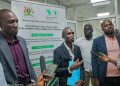
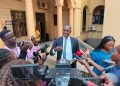
Representing Makerere University Vice Chancellor Professor Barnabas Nawangwe, Professor Bruce Kirenga, Principal of the university’s College of Health Sciences, said Uganda needs more research to establish the scale and characteristics of dyslexia in the country.
He also emphasized the need for closer cooperation between families, teachers, researchers and government institutions.
The event also highlighted the role of universities in addressing the challenges surrounding dyslexia. Professor Fred Masagazi Masaazi, Director of the Makerere Institute of Teacher Education and Research, stressed the importance of bringing educators and researchers together to improve inclusive education.
Dr Charles Kyasanku, who presented a research paper during the event, pointed to Makerere’s work in teacher education, research and assessment as part of efforts to improve understanding of dyslexia.
Participants said many learners continue to face difficulties because dyslexia is not always identified early. In some cases, problems with reading and writing are mistaken for laziness or poor academic ability, exposing learners to stigma and affecting their confidence.
Stakeholders said intervention should not end at primary or secondary school. They called for systems that can also identify and document students with dyslexia in universities and other institutions of higher learning, where their needs may go unnoticed.
They further proposed stronger research links between institutions and better collection of information on learners with dyslexia. One of the proposals is the development of a national database that could provide evidence for planning and improving education services.
The awareness campaign has been running since 2023 through a partnership involving the Special Needs Quality Assurance and Monitoring Initiative, Backup Uganda, the National Union of Disabled Persons of Uganda, Kyaninga Child Development Centre, Mukono Integrated Schools and Hill Preparatory School.
The organisers said sustained cooperation between government, schools, universities, families, civil society and the private sector will be necessary to build education systems that recognize different learning needs and give learners with dyslexia opportunities to succeed.