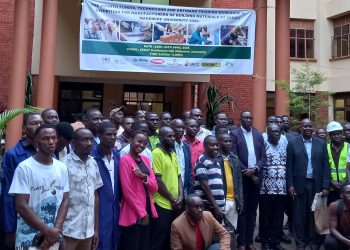



KAMPALA Uganda (UGNEWSLINE) – Uganda and Italy have launched a three-year health project aimed at improving maternal and child healthcare, strengthening cancer prevention and treatment, and expanding access to quality health services in Northern Uganda, Karamoja region and the West Nile region.
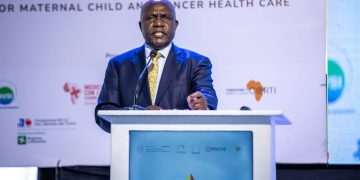
The Prevention, Research and Integrated Services for Maternal, Child and Cancer Healthcare (PRISMA) project, launched on Saturday, November 7, 2026, will focus on strengthening Uganda’s health system through improved service delivery, medical training, research, institutional capacity and community involvement.
The project, running from July 1, 2026, to June 30, 2029, is funded by the Italian Ministry of Foreign Affairs and International Cooperation through its Directorate General for Development Cooperation.
It is expected to directly benefit more than 500,000 people across four regions: Acholi, Lango, Karamoja and West Nile.
The initiative brings together seven partner organisations and institutions: IRCCS San Gerardo dei Tintori Foundation, Doctors with Africa CUAMM, AVSI Foundation, Dr Ambrosoli Memorial Hospital Foundation, Piero and Lucille Corti Foundation, Gulu University and the Uganda Cancer Institute.
Its interventions will be implemented around four major areas: Reproductive, sexual, maternal, neonatal and child health; Women’s and paediatric oncology; Training and research; and governance, monitoring and evaluation.
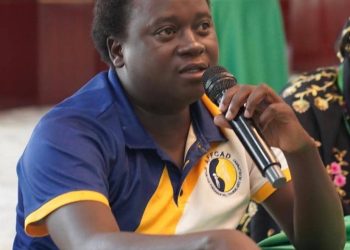
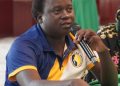
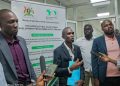
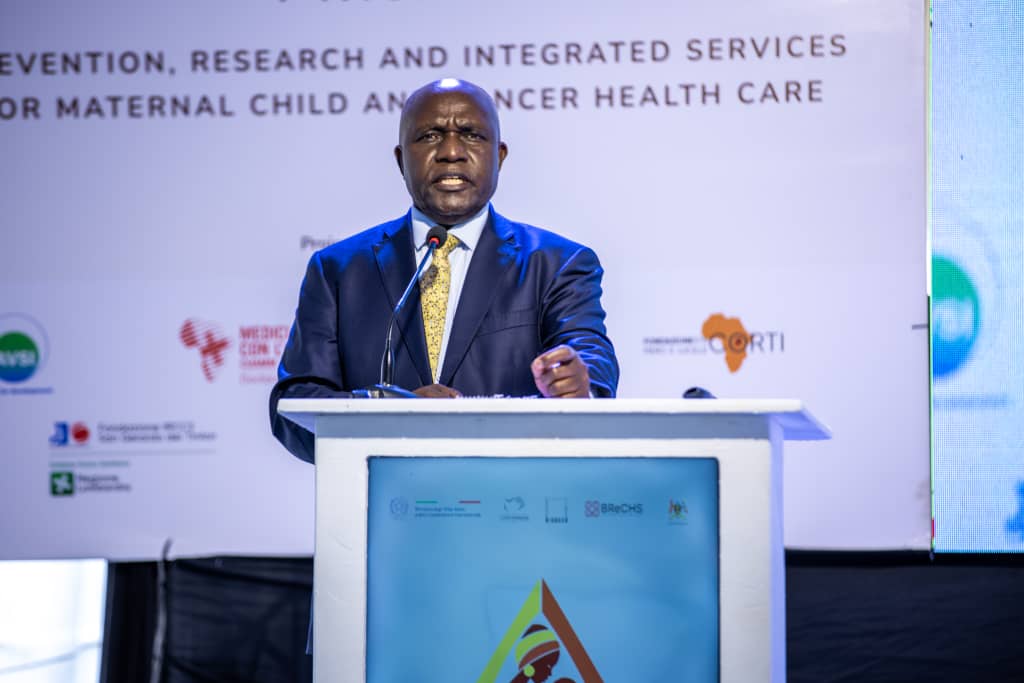
Speaking at the launch, AVSI Foundation Uganda Country Representative John Makoha said the project presents an important opportunity to strengthen Uganda’s health system and ensure women and children, particularly those in remote communities, receive timely and quality healthcare.
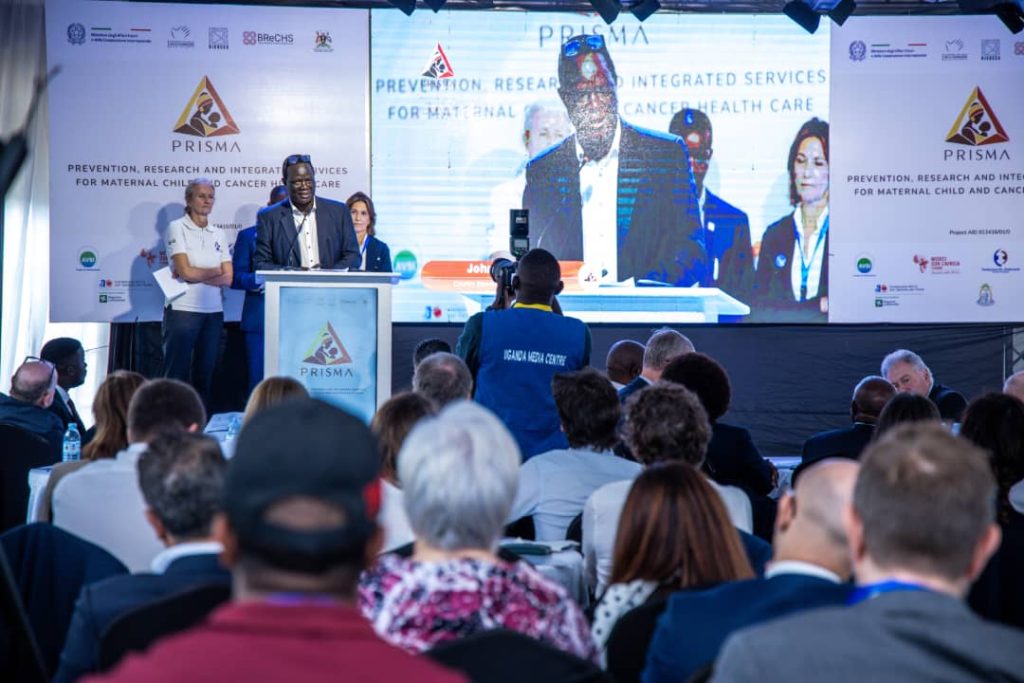
“A health system is strongest when quality care is not determined by where a person lives, by their circumstances, or their ability to navigate the system, but by their right to receiving appropriate and timely healthcare. This is the ambition that must guide our work under PRISMA,” Makoha said.
He noted that AVSI has worked closely with Uganda’s health sector since 1984, accumulating experience in health, education, agriculture, nutrition, livelihoods, disability inclusion, child protection and mental health.
Makoha said the project would build on previous health interventions supported by the Italian Agency for Development Cooperation and UNICEF, with a focus on strengthening existing health institutions rather than introducing isolated programmes.
He explained that maternal and child health challenges require coordinated interventions because complications during pregnancy, difficult deliveries, premature births and childhood illnesses can quickly become life-threatening when appropriate medical care and referral systems are unavailable.
“Maternal haemorrhage, prematurity, birth asphyxia, malaria, pneumonia, diarrhoea and malnutrition remain important challenges that require coordinated preventive and clinical responses,” he said.
Makoha revealed that AVSI’s contribution would cover 32 health facilities across 11 administrative entities, including Agago, Amuru, Gulu City, Gulu District, Nwoya, Moroto, Napak, Oyam, Lira City, Lira District and Nebbi.
He said the organisation would prioritise improving the quality and continuity of maternal and child healthcare, strengthening the capacity of health workers and institutions, and placing communities at the centre of healthcare delivery.
“Healthcare professionals need the skills, tools and support to respond effectively to the needs of populations. Through training, appropriate innovative technologies, strengthened local governance, monitoring, research and evaluation, we will support approaches that enable the health institutions to identify gaps, improve practice and make informed decisions,” Makoha said.
He added that working with Community Resource Persons, Village Health Teams and other existing community structures would help improve public awareness, early identification of health concerns, timely health-seeking behaviour and follow-up.
Makoha emphasised that sustainability would be central to the project, arguing that its success should be measured by the lasting improvements made to Uganda’s health system beyond the three-year funding period.
“The ultimate measure of success in PRISMA will not be the completion of a three-year project, but the lasting contribution we make to the capacity of Uganda’s health system to protect lives, to respond to the needs of communities as we deliver quality care more consistently,” he said.
The Italian Ambassador to Uganda, Mauro Massoni, described the project as another important milestone in the longstanding relationship between Uganda and Italy, particularly in strengthening healthcare services and developing local medical expertise.
He said Italian doctors, missionaries, universities and civil society organisations have worked alongside Ugandan institutions and communities for more than 60 years, contributing to the provision of essential healthcare.
Massoni cited St Mary’s Lacor Hospital in Gulu, Dr Ambrosoli Memorial Hospital in Kalongo, St Kizito Hospital in Matany, St John XXIII Hospital in Aber and St Luke’s Hospital in Angal as examples of the longstanding Italian contribution to Uganda’s healthcare sector.
“Over generations, these institutions have provided essential health care to thousands of Ugandans. But their contributions go beyond the provision of medical services. They have become trusted institutions within their communities and important centres for the development of Uganda’s health professionals,” Massoni said.
He explained that PRISMA would build on this history by bringing together healthcare delivery, professional training and scientific research to strengthen cooperation between Italian and Ugandan institutions.
“At the heart of this initiative are women, mothers and children. Ensuring that they have access to timely and quality healthcare is not only a health priority, it is an investment in their well-being, resilience and future of communities,” he said.
Massoni added that Italy remained committed to supporting Uganda through partnerships based on mutual respect, shared responsibility and sustainable development.
The Director of the Italian Agency for Development Cooperation, Marco Rusconi, said the project’s name, PRISMA, reflected the importance of bringing together different institutions, skills and areas of expertise to achieve a common objective.
He explained that, just like a prism combines different sides into one structure, the project would unite the strengths of its various partners to improve healthcare delivery.
“PRISMA in English is prism, which is a polyhedron. It is a figure, an object which is completely composed of different sides which combine perfectly among them. It is a difficult task when we speak about people, when we speak about organisations, to combine efforts, responsibilities, competencies and know-how,” Rusconi said.
He noted that healthcare remained a major priority of Italian development cooperation, adding that Italy’s contribution in Uganda was not beginning with the project but was building on the work of missionaries, religious institutions and medical organisations that had served communities for decades.
Rusconi stressed that the ultimate objective of the partnership was to strengthen Uganda’s own healthcare system rather than create parallel structures.
“There is no greenfield anywhere in the world. There are always institutions, hospitals, medical centres and existing facilities that we offer to strengthen by bringing our expertise, our competence and our know-how. But the ultimate goal of our action is to make the Ugandan system stronger, more universal and more accessible for all,” he said.
He further emphasised the importance of prevention, awareness and research, noting that healthcare should not begin only when patients reach hospitals.
“Healthcare does not begin at the doorstep of the hospital. It begins earlier, it begins everywhere. It begins with prevention, it begins with awareness and with the continuous research of institutions,” Rusconi said.
He said the involvement of universities, foundations and medical organisations would help combine research and practical healthcare delivery, while ensuring that the different partners maintained their identities and contributed their respective strengths.
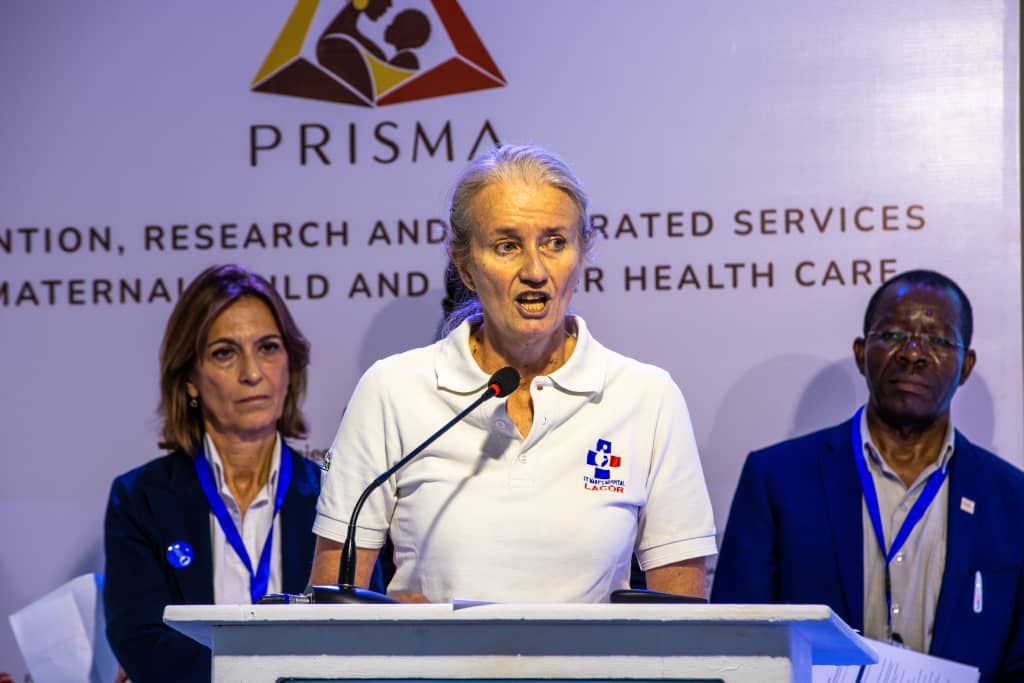
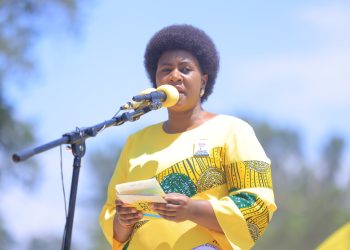
Dominique Corti, President of the Piero and Lucille Corti Foundation, highlighted the contribution of Lacor Hospital to healthcare delivery in Northern Uganda and called for increased government support to private not-for-profit hospitals.
Corti, who was born and raised at Lacor Hospital, said her parents, Piero and Lucille Corti, dedicated more than 35 years to developing the hospital after arriving in Uganda in 1961.
She revealed that the foundation provides the hospital with an average of Shs7 billion annually, sometimes exceeding Shs8 billion, with 60 per cent of the support being unrestricted funding used to meet operational costs.
According to Corti, the foundation has invested more than Shs100 billion in the hospital over the past 15 years, helping subsidise patient fees by approximately 70 per cent.
“The objective is to ensure that the hospital runs, and patient fees are subsidised by 70 per cent. This means that patient fees are kept at 30 per cent of hospital income, with some sections like children and mothers highly subsidised,” she said.
She explained that a standard delivery at the hospital costs Shs25,000, while children aged between zero and four years pay a flat Shs10,000 admission fee regardless of the length of stay or treatment required, with a few exceptions.
Corti said Lacor Hospital treats approximately 200,000 patients annually, including 35,000 admissions, and employs about 700 Ugandan staff members.
The hospital also operates a health training institute with more than 700 students.
She further revealed that Lacor Hospital plays a significant role in providing specialised healthcare in Gulu City and Gulu District, accounting for 40 per cent of total admissions, 80 per cent of operations and 80 per cent of intensive care unit admissions.
Giving an example of the hospital’s contribution, Corti said that out of approximately 9,500 major operations conducted last year, more than 2,300 were caesarean sections, while over 700 operations involved children aged between zero and 12 years.
She said the hospital’s contribution was achieved with annual expenditure of slightly less than six million euros.
However, Corti expressed concern over increasing operational costs, technological demands and regulatory requirements, warning that the hospital could face difficult decisions without additional support.
She appealed to the Ugandan government to consider tax exemptions on hospital-related goods, including Pay As You Earn, Value Added Tax and import duties, as well as additional medical specialists and increased government grants.
Corti cited a proposed donation of 27 kilometres of electricity cables to help replace the hospital’s ageing power distribution system, explaining that the hospital would be required to pay approximately Shs1 billion in import duties.
“This, for us, is equivalent to one year of running costs of one of the health centres, or else the salary of 60 nurses, or else antibiotics for nine months,” she said.
She added that the hospital receives limited government support despite handling a significant proportion of healthcare services in the region.
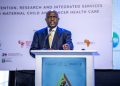
Turning to cancer prevention and treatment, Dr Nixon Niyonzima of the Uganda Cancer Institute said the project would support government efforts to decentralise cancer services and improve access to diagnosis and treatment outside Kampala.
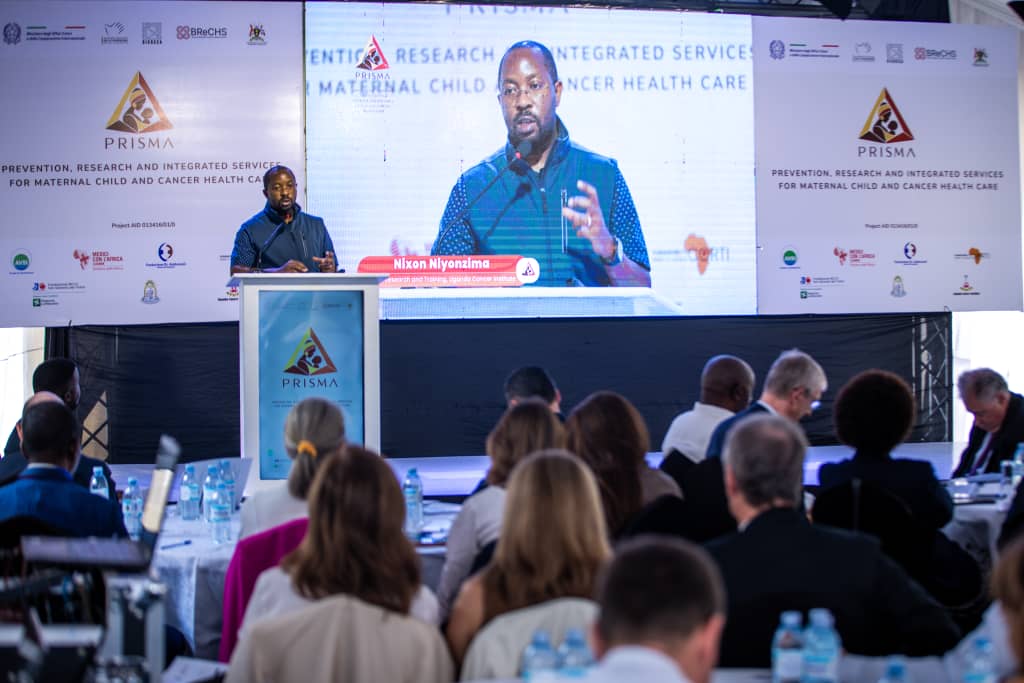
He said the government was working towards establishing regional cancer centres in Gulu, Arua, Mbale and Mbarara to bring specialised cancer services closer to communities.
Under PRISMA, the Uganda Cancer Institute would work with Gulu Regional Cancer Centre and other health facilities to improve cancer awareness, screening, early diagnosis, referral systems and treatment.
Niyonzima said many Ugandans still lacking adequate information about cancer symptoms and risk factors, making public sensitisation an important part of the intervention.
“People need to know the symptoms. They need to know the risk factors, and they need to be able to actually take preventive measures,” he said.
He also raised concerns about the limited functionality and utilisation of diagnostic equipment in some health facilities, despite the availability of machines such as GeneXpert and PCR equipment.
He said the Uganda Cancer Institute would support health facilities to develop and operationalise appropriate screening and early detection guidelines.
Niyonzima explained that the project would also strengthen laboratory services through a hub-and-spoke referral model, enabling facilities without functional pathology laboratories to send samples to centres with the necessary diagnostic capacity.
He identified Gulu Hospital, Lira Hospital and Lacor Hospital as some of the facilities with functional pathology services that could support the wider regional network.
He stressed that screening and early diagnosis would only be meaningful if patients could access treatment after being identified.
“Screening and early detection are useless if we cannot link these patients to care,” Niyonzima said.
He added that the institute would work with Lacor Hospital, which already has a paediatric cancer programme, to strengthen referral pathways for children diagnosed with cancer.
The project will also support the development of treatment protocols, training of health workers and research into cancer services across Karamoja, Lango, Acholi and West Nile.
Niyonzima said artificial intelligence and data science would also be explored to improve cancer diagnosis and management, particularly in areas with limited numbers of specialists.
“We want to ensure that the AI is trained on Ugandan data. The AI is usable in the local context,” he said, adding that locally relevant technology could help reduce the impact of specialist shortages.
He said the collaboration would contribute to changing the cancer care landscape in Northern Uganda and other project regions while supporting the government’s efforts to decentralise specialised healthcare.
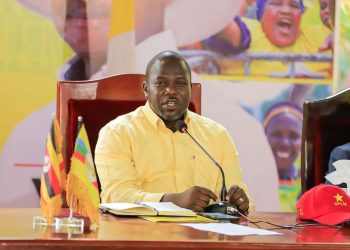
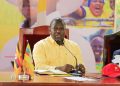
The Minister of Health, Dr Chris Baryomunsi, welcomed the project, describing its focus on maternal health, child health and cancer as a direct response to some of Uganda’s most pressing healthcare challenges.
He acknowledged Italy’s longstanding contribution to Uganda’s healthcare sector, particularly through medical missionaries and faith-based institutions that have established and supported hospitals across the country.
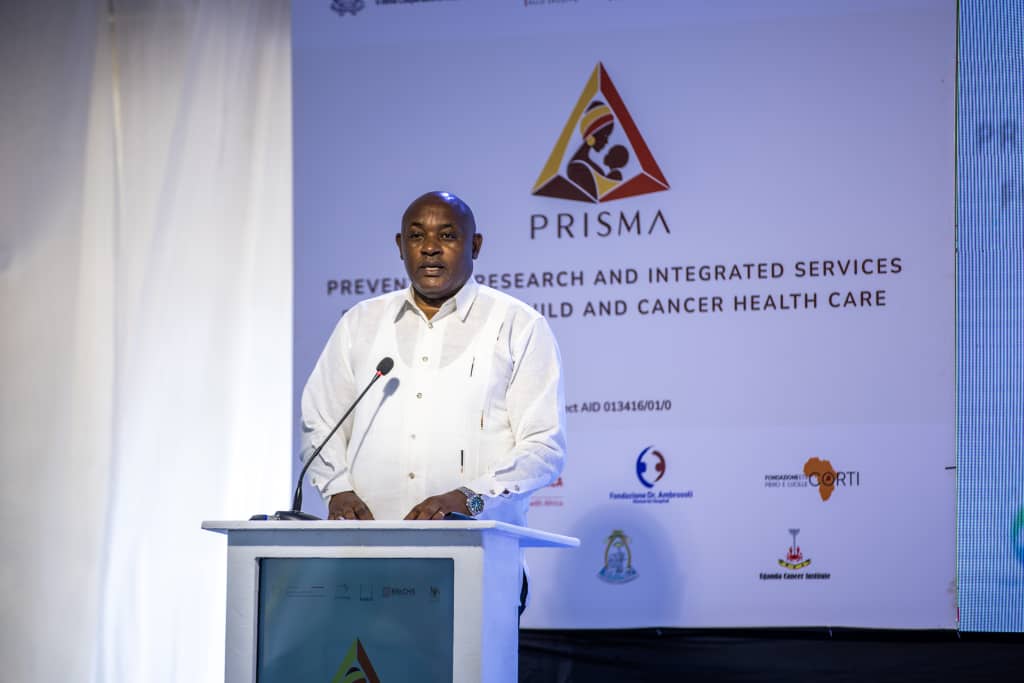
Baryomunsi said Uganda’s population dynamics and disease burden differed from those of Italy, making interventions that address the country’s specific health challenges particularly important.
He explained that Uganda’s population is growing at approximately 3.2 per cent annually, largely driven by high fertility rates, although the total fertility rate has declined from about seven children per woman to 5.2.
The minister also pointed out that Uganda faced a double burden of disease, with communicable diseases such as malaria, tuberculosis and diarrhoeal diseases existing alongside a growing burden of non-communicable diseases, including cancer, diabetes, hypertension and heart complications.
“In Uganda, up to 75 per cent of the diseases which affect our people are preventable, and therefore, as government and the Ministry of Health, we focus on disease prevention and control as well as health promotion as a key priority,” Baryomunsi said.
He noted that although the country had made significant progress in improving health indicators over the years, more interventions were needed to reduce preventable deaths.
Citing government statistics, Baryomunsi said Uganda’s life expectancy had increased from approximately 43 years in the late 1980s to 68 years.
He also revealed that HIV prevalence, which had reached approximately 18.5 per cent in the general population in the early 1990s, had declined to 5.9 per cent.
On maternal health, the minister said maternal mortality had reduced from approximately 700 deaths per 100,000 live births about four decades ago to 189 deaths per 100,000 live births.
Similarly, infant mortality had declined from approximately 122 deaths per 1,000 live births to 36 deaths per 1,000 live births.
“Still it is high, but there has been a decline. And with interventions like PRISMA and other efforts, we should be able to bring maternal mortality much lower in the coming years,” he said.
Baryomunsi said the government’s decision to focus PRISMA on Northern Uganda was also appropriate because the region had experienced more than two decades of civil conflict, which disrupted social services and left it lagging behind in several development indicators.
He pledged government support for the project and said its interventions were aligned with national health priorities.
The minister also responded to concerns raised by Corti about the financial challenges facing Lacor Hospital, promising to engage the government on requests for tax exemptions and improved funding for private not-for-profit health facilities.
“I think it’s correct that we waive our taxes for some of these equipment, devices and other areas as mentioned in the presentation by Madame Dominique Corti,” Baryomunsi said.
He added that the Ministry of Health would examine the allocation of primary healthcare grants to ensure that large facilities such as Lacor Hospital received appropriate support.
The Second Deputy Prime Minister, Prof. Crispus Walter Kiyonga, who was the guest of honour, also welcomed the initiative, saying the partnership between Uganda and Italy should extend beyond healthcare to other areas of social and economic development.
Kiyonga said the two-day engagement with the Italian delegation had provided an opportunity to discuss broader areas of cooperation, including heritage, agriculture and other development sectors.
He pledged that the government would follow up on the commitments made during the discussions and ensure that agreed programmes were implemented.
On healthcare delivery, Kiyonga emphasised the need to design interventions that respond to Uganda’s geographical and population challenges, particularly the fact that most Ugandans live in rural communities.
He said reaching communities in remote areas required innovative approaches because some populations were scattered across difficult terrain and could be difficult to reach consistently.
Kiyonga singled out Karamoja, where communities frequently move in search of water and pasture, as an area requiring special consideration in healthcare planning.
He explained that population movement could disrupt routine health services, including childhood immunisation, when families relocate before health workers return for scheduled follow-up doses.
He also cited mountainous areas such as the Rwenzori region and parts of Kanungu and Kigezi, where difficult terrain and limited road networks make it challenging for health workers and patients to reach health facilities.
“Here you have a little mountain, then it goes into a valley, then another one. So for health workers, there is no road. You can’t work by motorcycle or vehicle. You must work by walking from point to point to reach the people and immunise them,” Kiyonga said.
He said these realities should inform the design of healthcare programmes to ensure that services reach people where they live.
Kiyonga acknowledged the progress Uganda has made in reducing maternal and child mortality but warned that the remaining figures were still unacceptable.
“Nobody should die when they are giving birth. Nobody should die. We would come from 700 to around 200, but even that 200 is bad news. So PRISMA is most welcome. Let’s work on that and see how far down we can go towards zero,” he said.
He assured the Italian delegation that the government would follow through on the discussions and strengthen cooperation with Italian institutions to support Uganda’s social and economic development.
The PRISMA project is expected to strengthen existing health facilities, improve the skills of healthcare workers, expand access to cancer screening and diagnosis, support scientific research and improve coordination between communities, district health teams and referral hospitals.