


KAMPALA, Uganda (UGNEWSLINE) –The High Court Family Division has resolved 175 family disputes fully through mediation, with another 516 cases still pending, as the Judiciary prepares for a two-week mediation exercise aimed at reducing delays and helping families settle disputes without lengthy court battles.
The mediation exercise, scheduled for November 2 to 16, 2026, will run under the theme, “Give Mediation a Chance.”
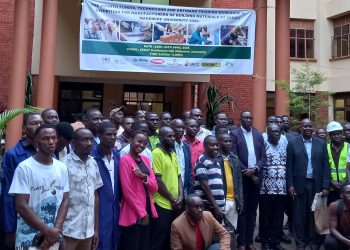
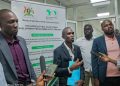
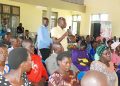
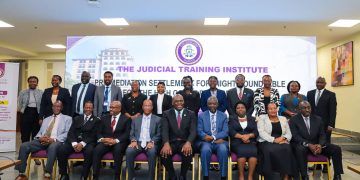
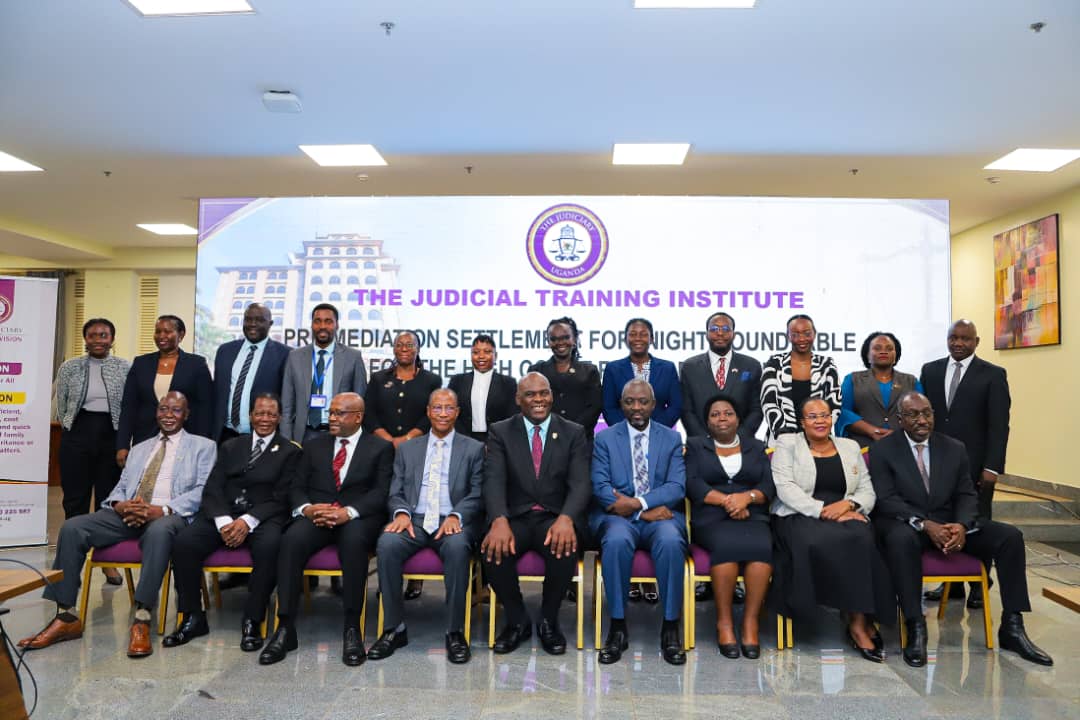
Speaking at a pre-settlement roundtable ahead of the exercise at the Court of Appeal Conference Hall, the head of the Family Division, Justice John Eudes Keitirima, said mediation provides a practical way of resolving family disputes because it allows parties to discuss their problems and agree on solutions without the technicalities associated with litigation.
He said there should be no family case considered too difficult to resolve through mediation, adding that parties often explain their concerns better when given an opportunity to speak for themselves than when their lawyers speak on their behalf.
Keitirima urged mediators to listen carefully to the parties, identify those capable of proposing solutions and avoid dwelling unnecessarily on the history of disputes at the expense of finding lasting solutions.
He said the approach would help reduce delays associated with obtaining hearing dates in ordinary court proceedings and enable parties to reach settlements they can accept.
The judge also said the Family Division had accredited three mediators and was continuing to promote mediation as a way of resolving disputes involving families.
Keitirima acknowledged that the division had not yet achieved its target of having more cases settled successfully than those in which mediation fails.
He said one of the benefits of resolving family disputes through mediation was the potential economic value of settlements, noting that an estimated family estate could be worth Shs500 million.
The division also faces challenges, including inadequate office space for its 15 mediators, resistance from some lawyers and their clients, and interference by third parties during mediation.
Keitirima said the perception that advocates do not earn from participating in mediation was misplaced, explaining that the applicable rules provide for lawyers who attend mediation with their clients to receive an allowance of Shs100,000 per hour.
He also warned that involving parties at different stages could undermine settlements because some may change their positions if a dispute remains unresolved for too long. He advised that all relevant parties should be brought together to enable cases to be concluded.
Statistics presented at the meeting show that 7,800 cases were shared among six judges and registrars in the division, of which 1,103 were selected for mediation.
Of the cases handled through mediation, 175 were fully settled, 17 were partially settled, while 395 failed to reach an agreement. Another 516 cases remain pending.
In his remarks, the Deputy Chief Justice Moses Kawumi Kazibwe said mediation had become an important part of the Judiciary’s approach to case management and delivery of justice, with the National Alternative Dispute Resolution Policy of 2025 providing further support for the practice.
He commended the Family Division for its experience in conducting mediation fortnights, saying the division had consistently recorded the highest number of successful mediations in the High Court.
The deputy Chief Justice urged judicial officers, lawyers and other stakeholders to use the roundtable to identify what had worked in previous exercises and address weaknesses ahead of the forthcoming fortnight.
He also emphasised the need to protect vulnerable parties, particularly in disputes involving domestic violence and unequal bargaining power.
Justice Kawumi said the best interests of children must remain central in cases involving custody, maintenance and access, while agreements reached in succession and maintenance disputes should be clearly drafted and honoured.
He noted that family disputes require special attention because the parties often remain connected as parents, siblings and relatives even after court proceedings end.
The Deputy Chief Justice said Article 126(2)(d) of the Constitution requires courts to promote reconciliation, making mediation particularly important in family matters.
He added that the success of mediation should not only be measured by the number of cases concluded, but also by whether families leave court at peace and whether the agreements reached are sustained.