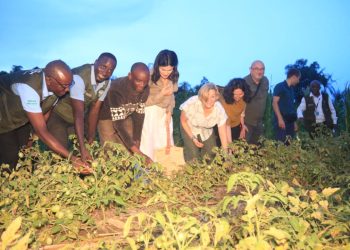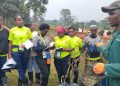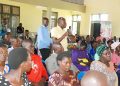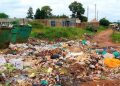



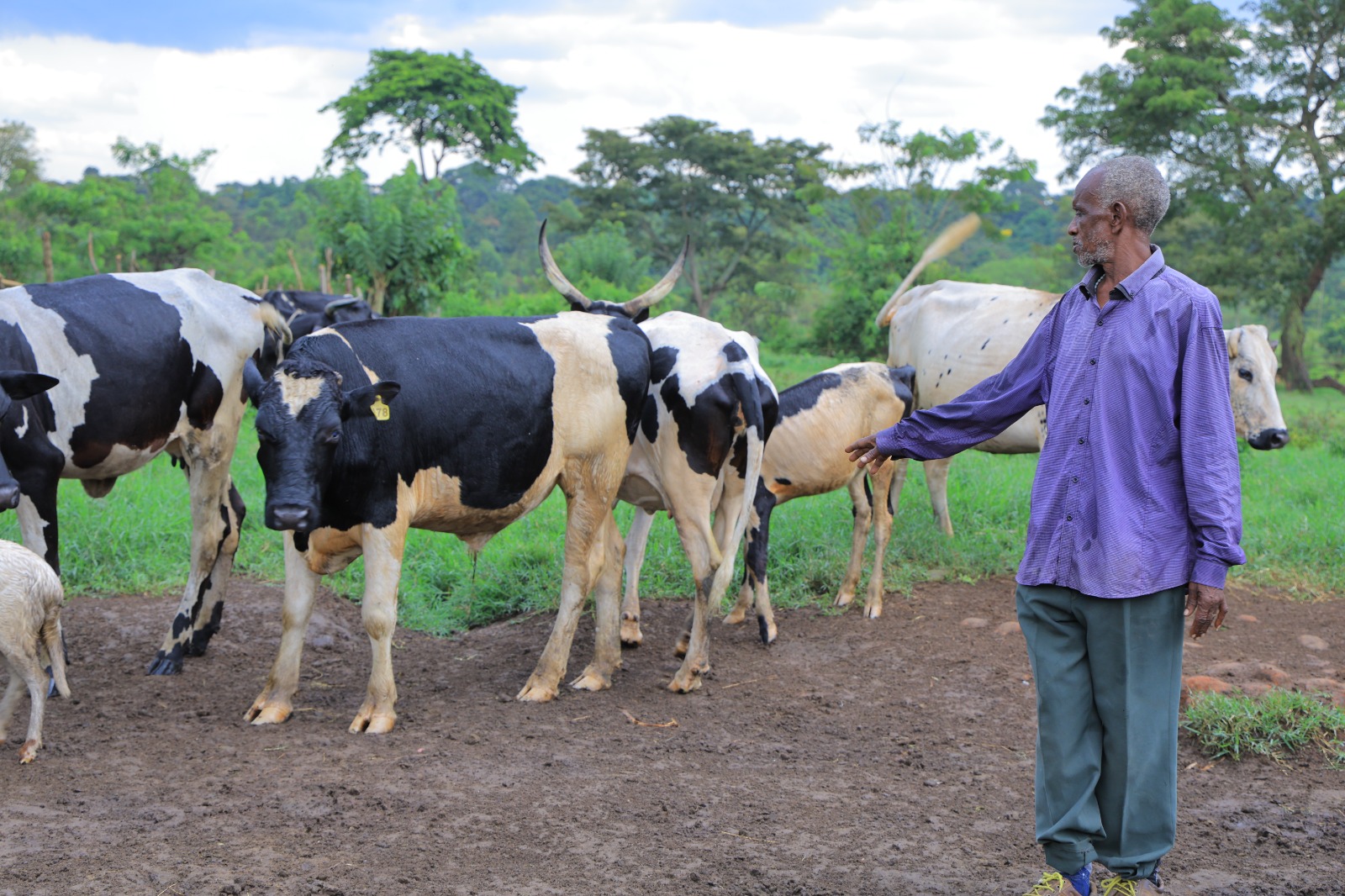
NAKASEKE, Uganda: Farmers in Nakaseke District have expressed gratitude to Heifer International for providing quality pasture seeds and productive equipment. This support has boosted their income and improved their livelihoods.
According to Samuel Sewankambo, a 28-year-old cattle farmer in Kiwoko, Nakaseke District, due to the challenges of inadequate pasture and feed for their cattle, farmers teamed up with Heifer International to implement the Distributed Renewable Energy Ecosystem Model (DREEM) hub project. This initiative aims to increase milk production, which has become a major challenge in cattle rearing.
Heifer International has stepped up efforts to expand the project to various parts of Uganda, including Nakaseke and Nakasongola, to assess its impact and make necessary adjustments.
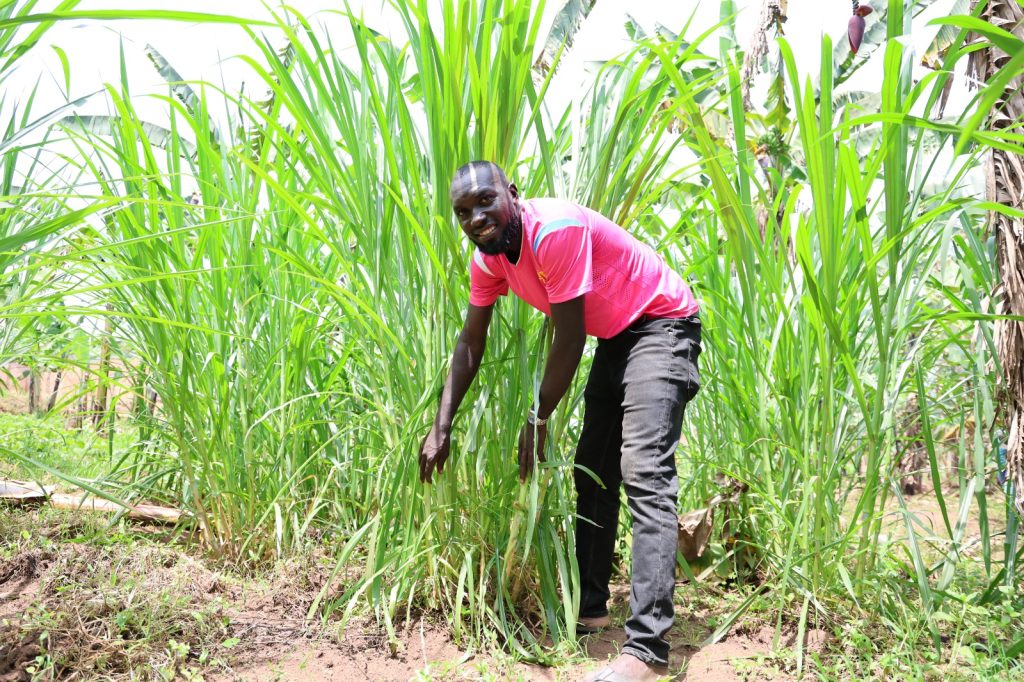
Sewankambo expressed gratitude for the project’s support, which has enabled him and other farmers to increase their income and improve their livelihoods. He noted that the project provided him with high-quality grass seeds, which he planted, harvested, and made into silage for the cows.
He explained that silage, has improved his cattle’s health and productivity.
“The silage, preserved, and stored for up to one and a half years, ensuring a steady supply for his cattle,” he added.
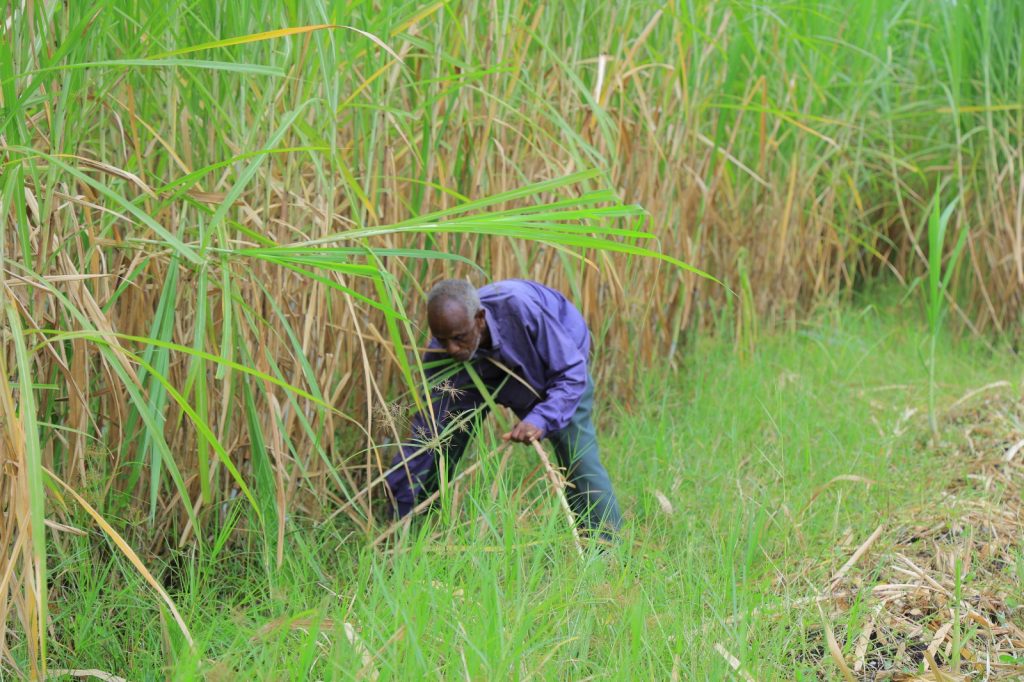
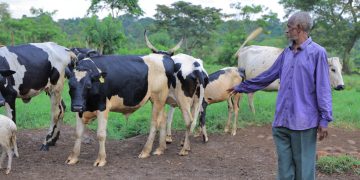
John Baptist Sserwadda Sserujonyori, a 77-year-old farmer from Balatira Village, Naluvule Parish, Nakaseke District, showcased his cattle and demonstrated the techniques he learned from Heifer International on how to grow and preserve quality fodder. He also thanked the government and Heifer International for their support, which has transformed their cattle rearing practices and increased his earnings.
According to William Matovu, Heifer International Country Director, the DREEM project is a three-year program (2024-2027) implemented by Heifer International with support from the Mott Foundation. The project aims to enhance the resilience of smallholder farmers to climate change impacts by promoting the productive use of solar energy services (PUSE).
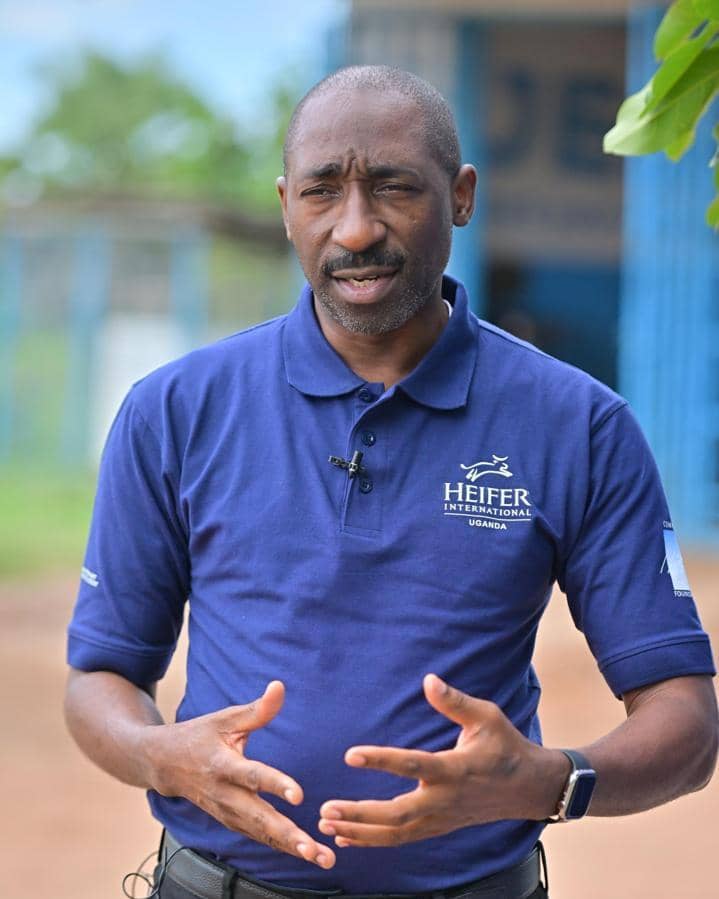
“The project targets empowering 20,000 smallholder farmers, creating skills, jobs, and entrepreneurship opportunities for underserved youth and women, and promoting sustainable incomes through their adoption of Productive Use of Solar Energy,” said William Matovu.
He noted that to this end, in its second year, the project has sofar impacted 5521 farmers, 50 percent of these women.