


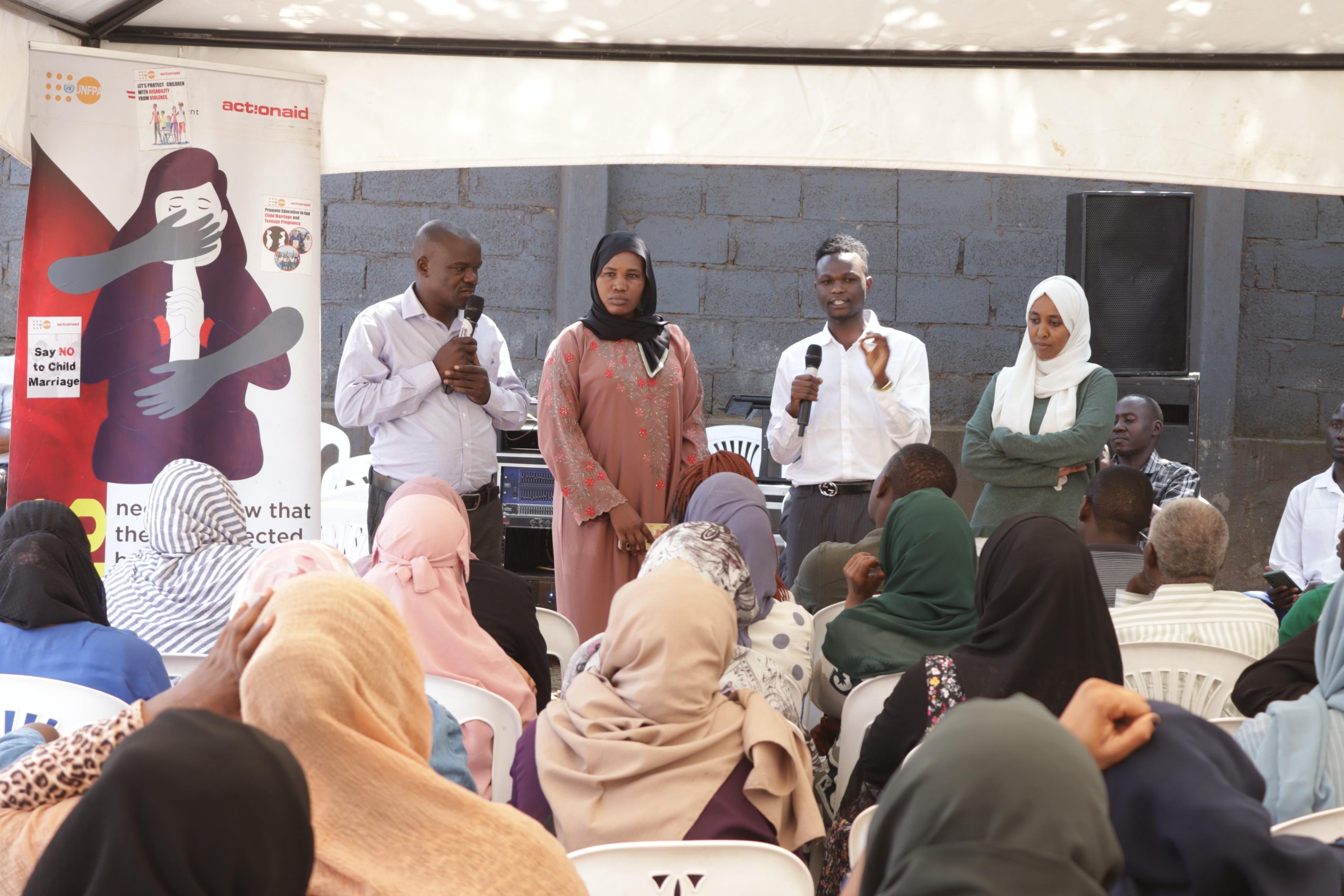
Kampala, Uganda – Leaders and representatives from the Ministry of Kampala Capital City and Metropolitan Affairs, in partnership with ActionAid InternationalUganda(AAIU), have reported a significant progress in the fight against harmful cultural practices within refugee communities residing in Kampala.
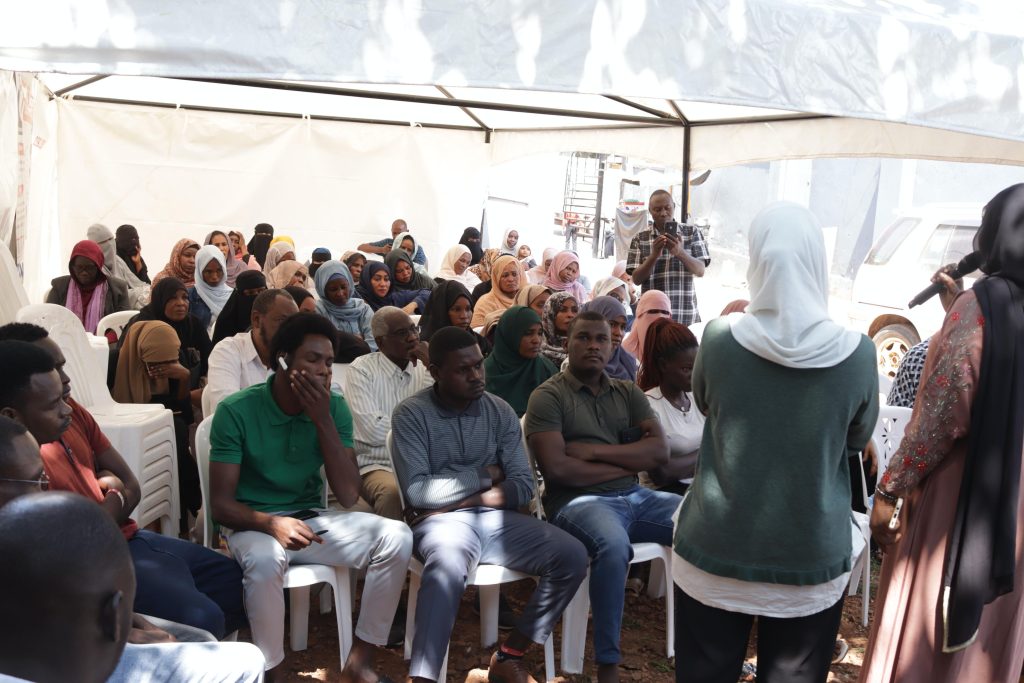
Joel Wananzusi Mandu, a legal officer working under the Ministry and attached to the Office of the President, praised the Sudanese, Somali, Eritrean, and other refugee communities for embracing positive change.
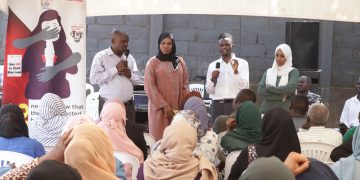
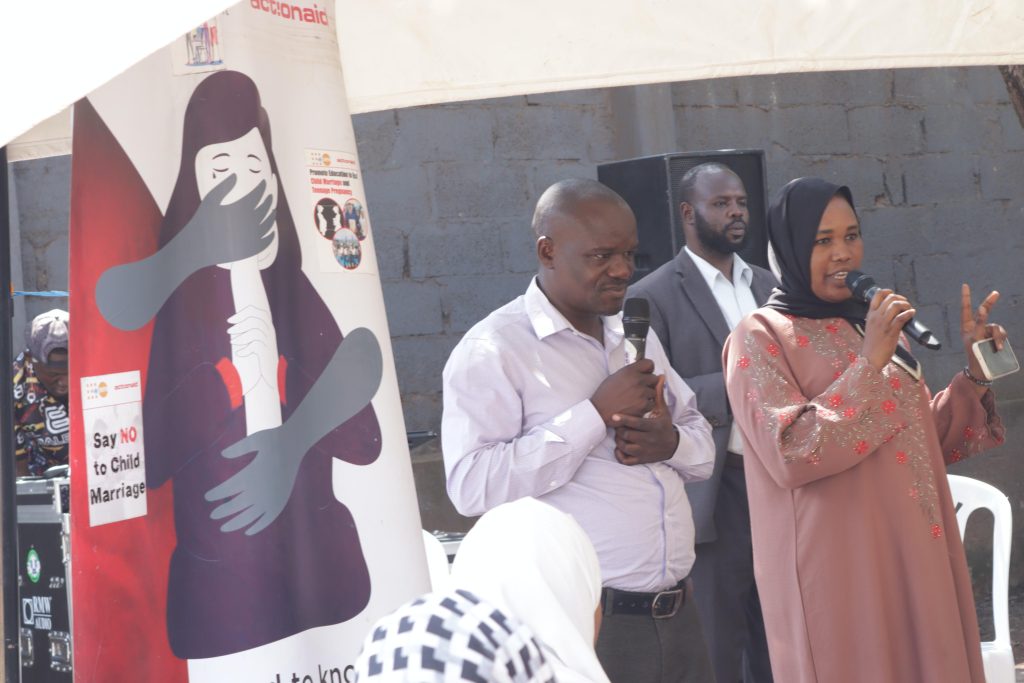
Speaking during an intergenerational dialogue involving refugees from Khartoum, Sudan, he highlighted a dramatic reduction in cases of Female Genital Mutilation (FGM), early child marriage, and gender-based violence (GBV) over the past seven months.
“The last time we were here, we had a very open and fruitful discussion. Today, I am glad to report that since then, major improvements have been made. From December to now, there have been no reported cases of early child marriage, and only one FGM case was averted after community intervention. Cases of GBV have also declined drastically,” said Joel.
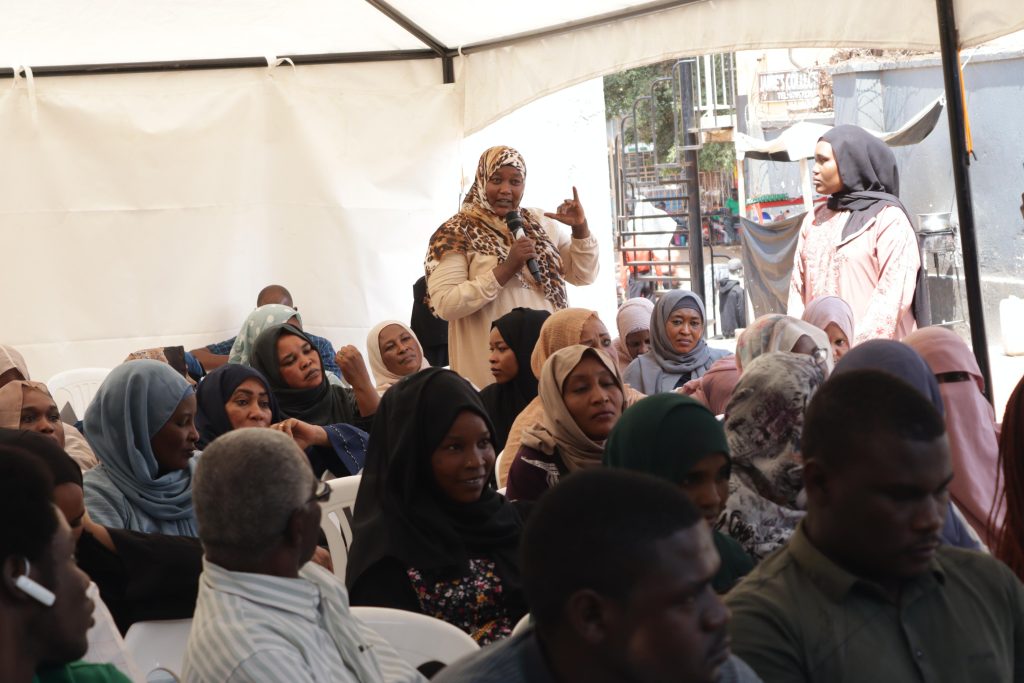
He credited community awareness efforts led by ActionAid and ministry officials for sparking the change.
“These shifts are not coincidental. They reflect the power of education, engagement, and local leadership in transforming communities,” he added.
Community Voices Acknowledge Change
Sali Idris Adam, Chairman of the Sudanese Refugee Community in Kampala, echoed the sentiment:
“Since your team last visited us, we’ve seen real change. FGM is decreasing, and child marriage is being abandoned. People have learned a lot about their rights, especially women. GBV used to be very common—I was receiving more than 10 cases a day. Now, that number has drastically reduced.”
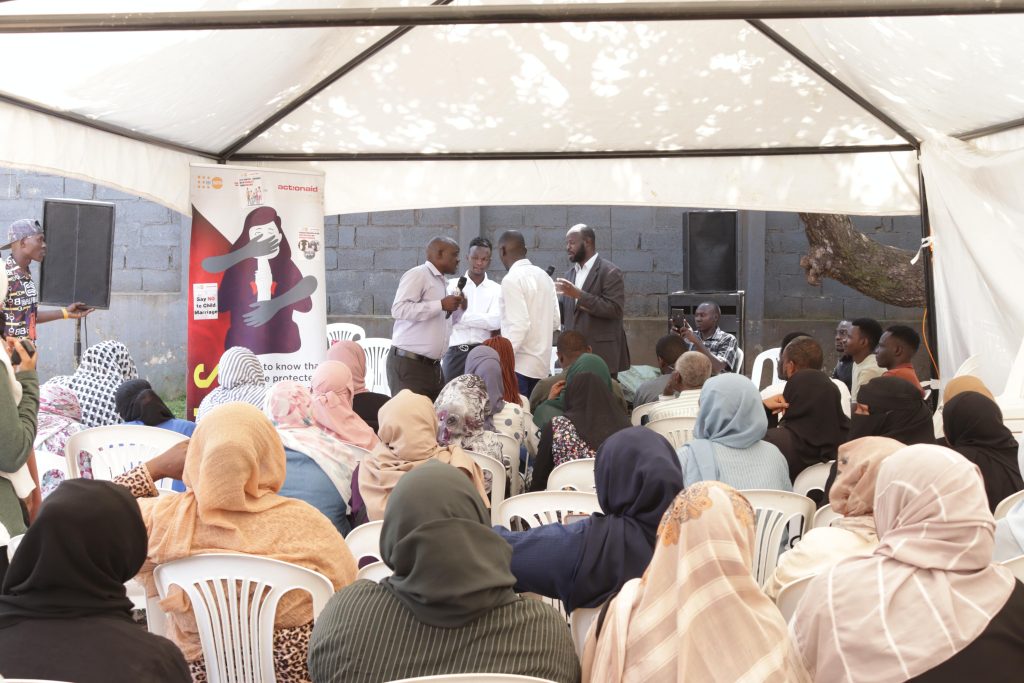
He acknowledged the deep-rooted nature of some of these practices, particularly among those who arrived with long-standing traditions from Sudan, but praised ongoing awareness efforts for reshaping community mindsets.
“Now people understand that Kampala has rules. Our community sees the benefit of respecting these laws, especially when it comes to protecting our children.”
Empowering Women and Girls
Gisma Mohamed, a refugee, shared her personal experience as a woman affected by war and displacement. She described a stark contrast between life in Sudan and life in Kampala:
“Back home, girls were often married at 10, 12, or 15 years old. But here, that has stopped. Now our daughters go to school instead of becoming mothers in their teenage years. We are very happy. People no longer fight as they used to. We live more peacefully.”
Ministry Recommends Ongoing Monitoring and Support
Despite the positive developments, the Ministry emphasized the need for continuous engagement.
Consel Lunkuse Irene, another official from the Office of the President, stressed that efforts must be sustained to ensure lasting change:
“We must not stop here. Harmful practices like FGM and early marriage must be completely eradicated. These communities need consistent sensitization, timely midterm reviews, and ground teams to report issues in real time.”
Joel Wananzusi recommended conducting midterm reviews earlier in the year to better track progress and address emerging challenges before year-end.
Looking Ahead
The Ministry, in collaboration with ActionAid and refugee leaders, plans to continue hosting dialogue sessions in key areas. They emphasized the importance of improved communication channels and designated community liaisons to support timely reporting and effective interventions.
“We’ve seen the power of speaking to people with respect and offering real support,” Joel concluded. “We’re not just addressing problems—we’re building a culture of protection and dignity.”