


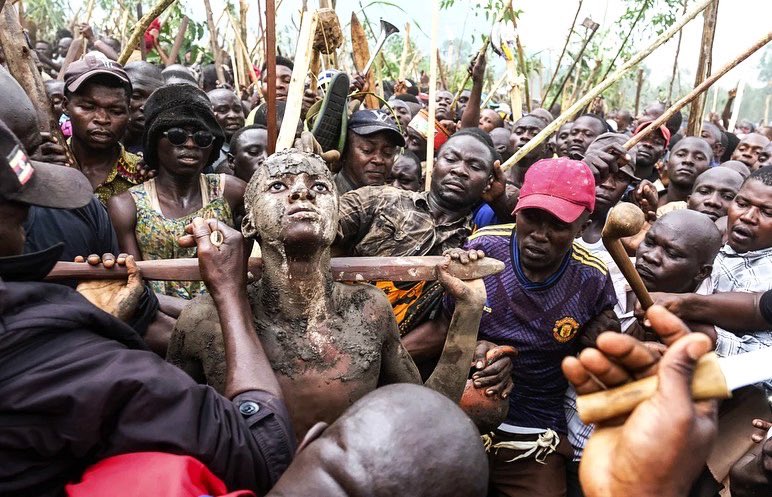
By the time one of her photographs appeared on the front page of The New York Times, Hajarah Nalwadda had already learned a defining truth of her craft: photography is not just about what you see, it’s about what you feel, and what you choose to remember.
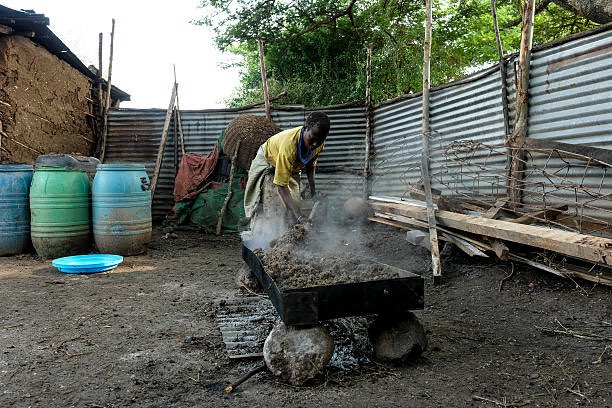
For Nalwadda, a Kampala-based professional Ugandan photojournalist, the camera is not merely a tool of documentation but an extension of how she experiences the world.
“Photography is my love affair,” she says simply, describing a relationship built on patience, observation, and an almost instinctive understanding of light, colour, and composition. Through her lens, she captures stories that sit at the crossroads of identity, memory, and truth, often revealing emotions words struggle to convey.
Nalwadda is a freelance documentary and hard news photographer who works as a stringer for international news agencies, covering everything from breaking news to deeply personal human stories.
She holds a Bachelor of Arts in Industrial Fine Arts with a major in Photography from Makerere University, one of Africa and global respected institutions.
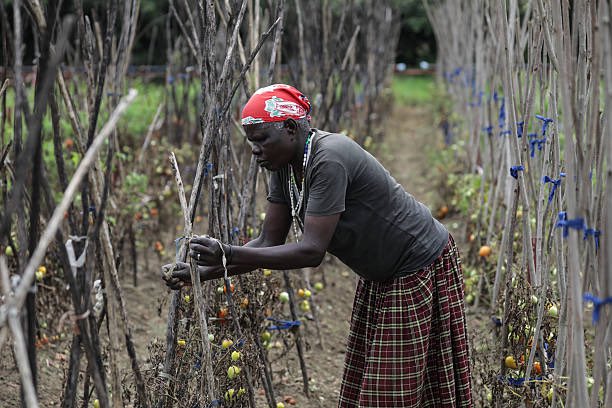
Her work also extends beyond the newsroom, collaborating with Non-Government Organisation (NGOs) and private companies on documentary projects focused on social justice, environmental change, and everyday life across Uganda.
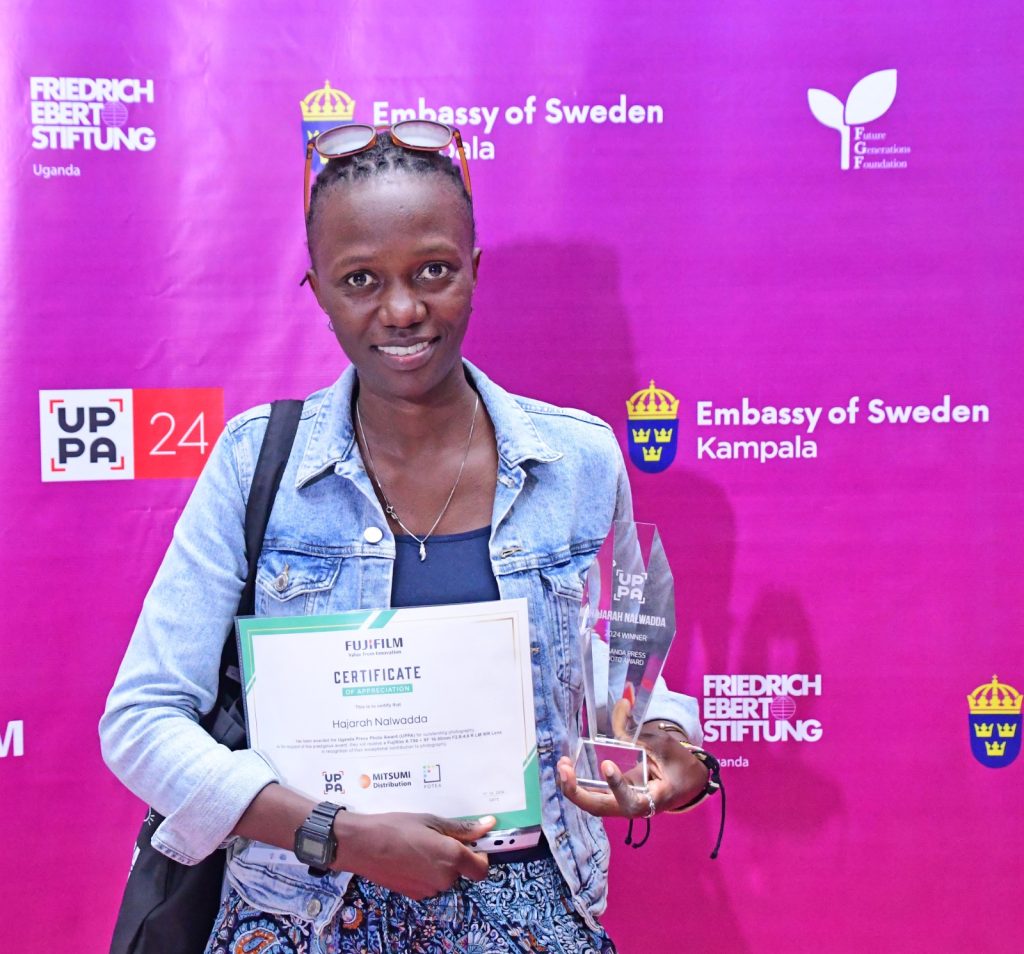
Her rise has been marked by significant recognition.
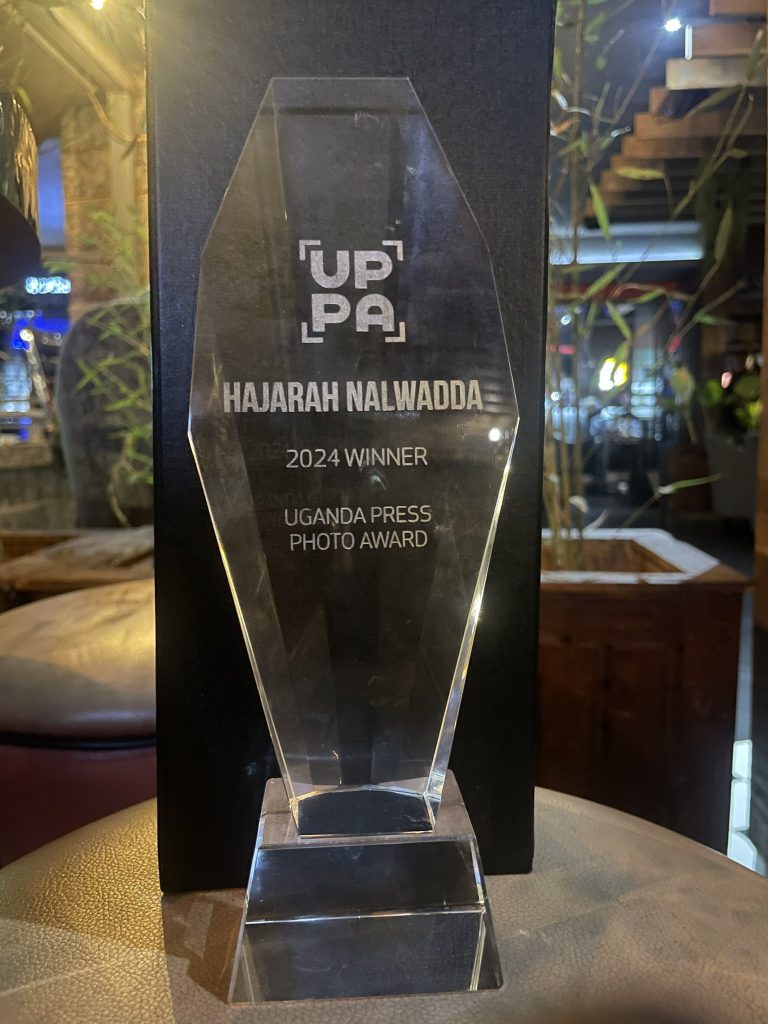
In 2024, Nalwadda was named ‘Uganda Press Photo Award Photographer of the Year’, alongside winning the ‘Environment Day Photography Awards’ and earning second runner-up at the ‘Uganda Experts Photography Awards’.
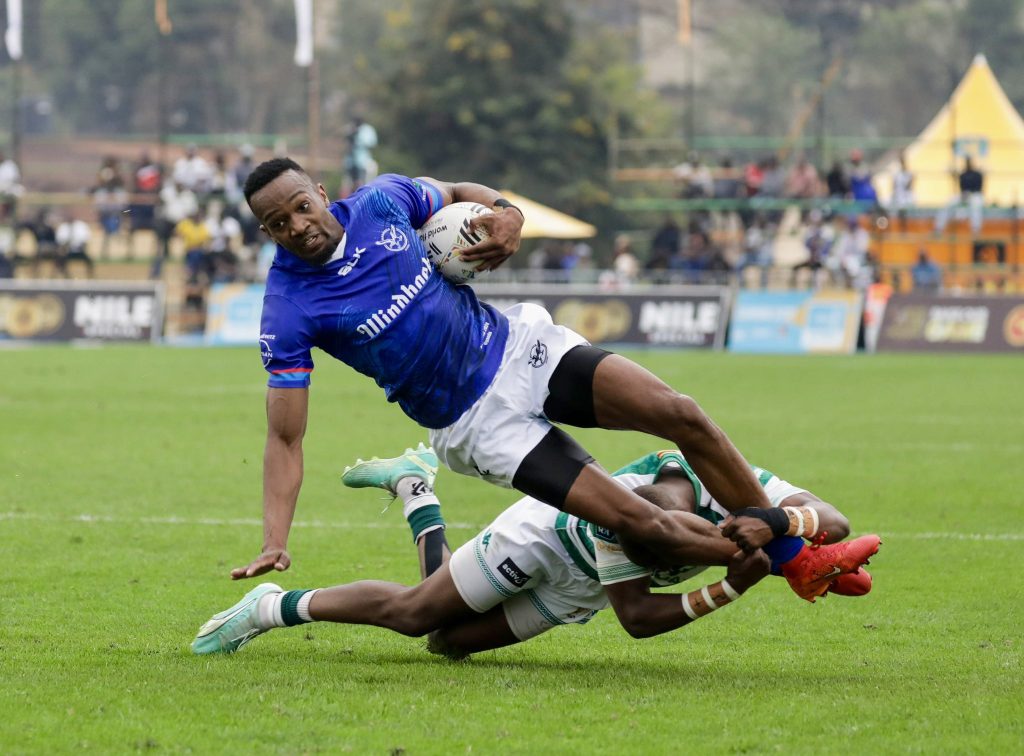
She has also been shortlisted three consecutive years, 2022, 2023, and 2024, for the ‘Rugby Photographer of the Year’ with Keith Powse (UK), underscoring a versatility that spans conflict zones, environmental storytelling, and the fast-paced world of sports.
Calm, collaborative, elaborative
Quietly observant by nature, Nalwadda describes herself as calm but collaborative, a balance that defines her working style.
Documentary and hard news photography, she explains, require trust and connection as much as technical skill.
“It’s not point-and-shoot,” she says. “It’s a nuanced blend of composition, colour, lighting, and texture.”
Over time, this approach has evolved into a refined visual language, one capable of telling complex stories with sensitivity and depth.
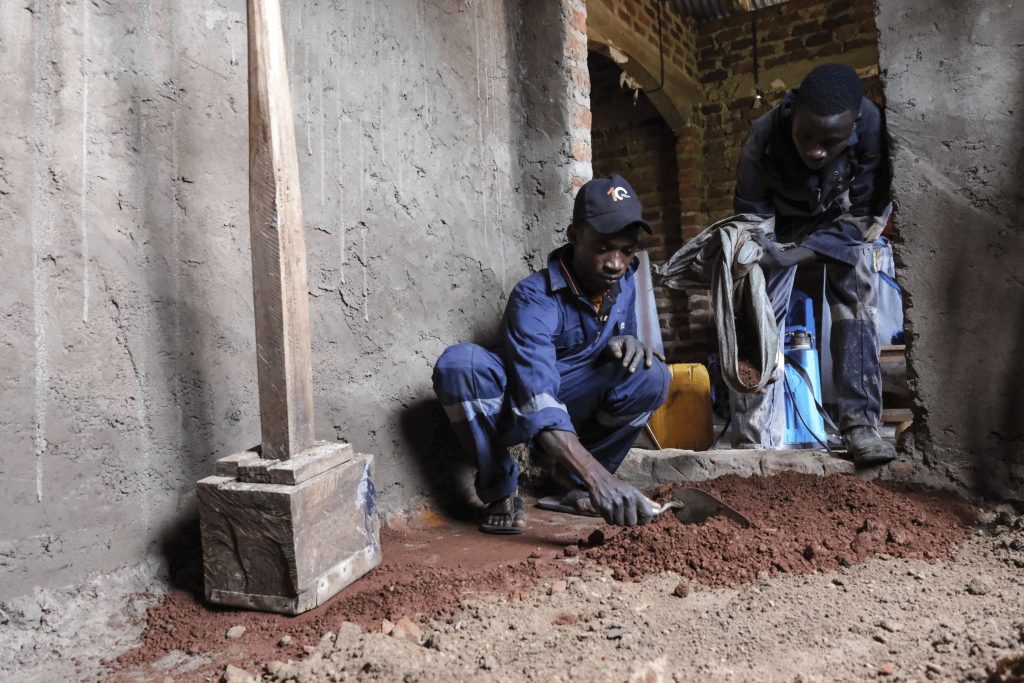
Themes of identity, emotion, and human connection run consistently through her work.
Whether she is photographing intimate moments in everyday life or the intensity of breaking news, Nalwadda seeks meaning in the ordinary.
Light and colour are central to her storytelling, allowing her images to communicate mood and memory without explanation.
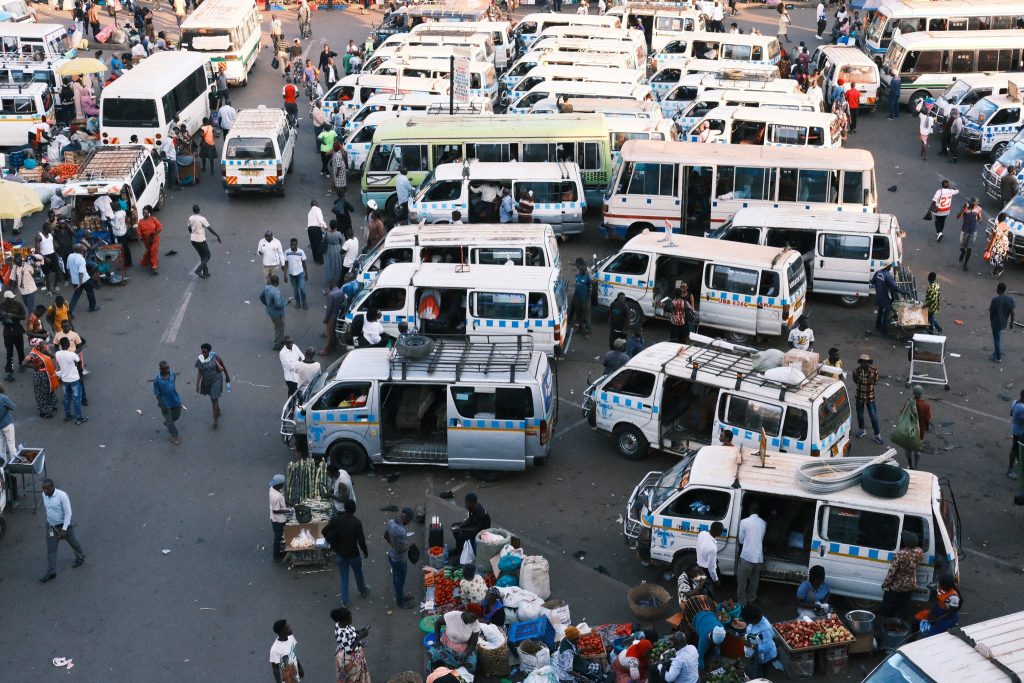
Her photographs invite viewers, especially international audiences, to look again, and to see Uganda beyond stereotypes.
Hitting the global stage
Some of her most defining moments have unfolded on the global stage.
Early in her career, an assignment for a photography news agency resulted in her image being selected among the ‘top 10 global news photos of the week’.
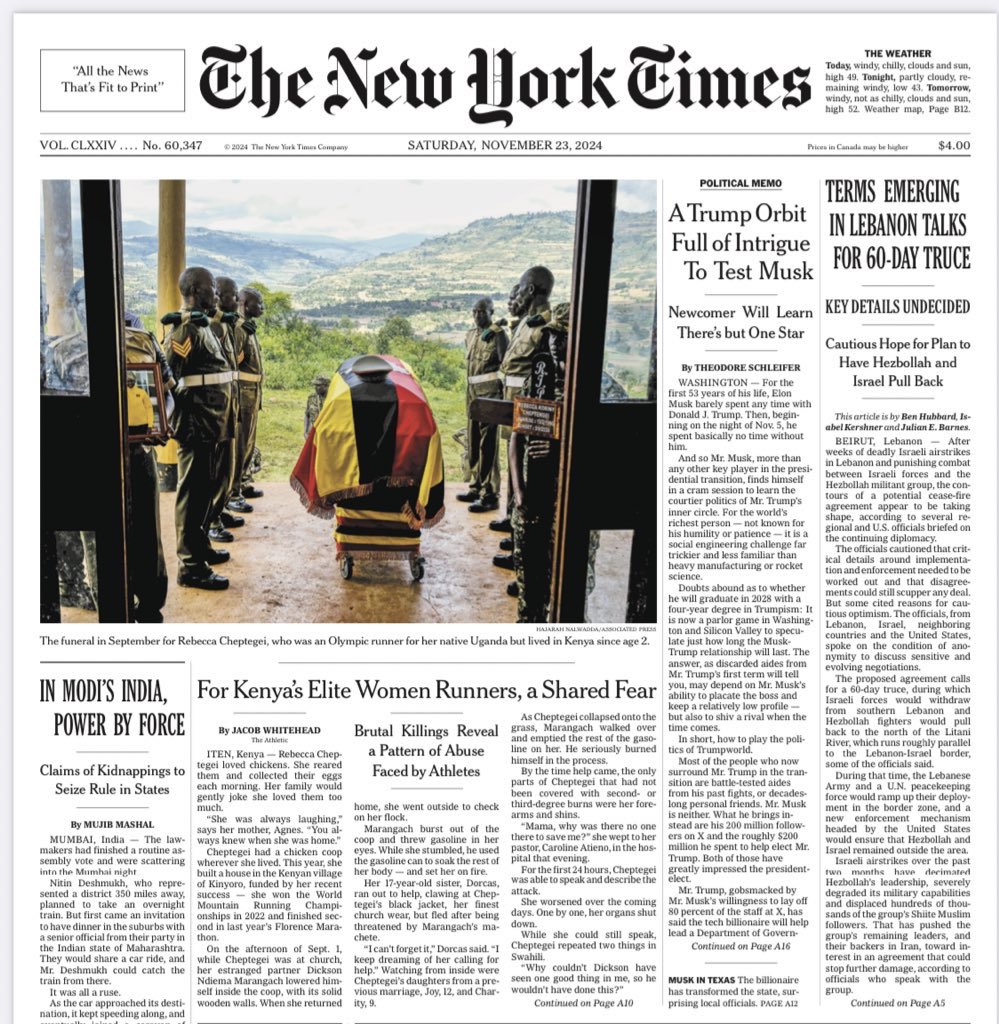
Soon after came another milestone: a photograph featured on the front page of The New York Times. “It was a lifelong dream,” she says. “I still keep the framed hard copy.”
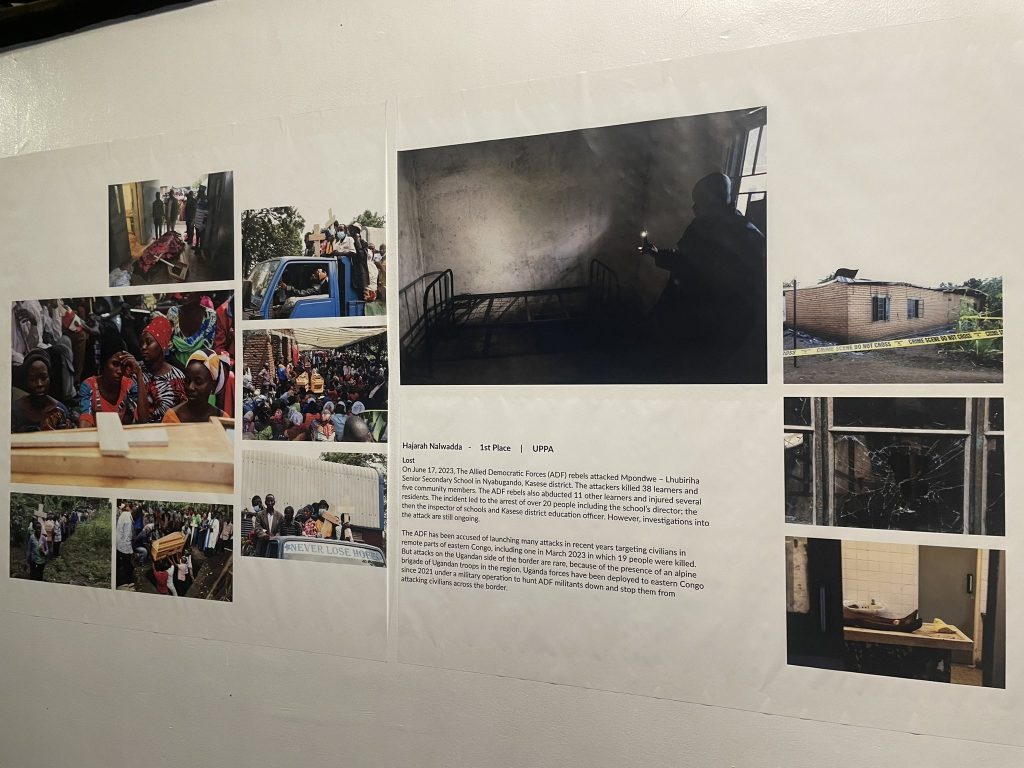
Yet not all images come without cost. One of Nalwadda’s most emotionally demanding assignments was documenting the aftermath of the ADF rebel attack on Mpondwe-Lhubiriha Senior Secondary School in Kasese District, in her home country Uganda, where dozens of students and community members were killed.
Covering the tragedy required balancing journalistic duty with humanity.
The experience was deeply traumatic, she says, but it also strengthened her resolve and produced some of the powerful images that contributed to her 2024 Photographer of the Year award.
Her vision
Looking ahead, Nalwadda hopes to collaborate with photographers whose work aligns with her storytelling values, including Tommy Trenchard, whose documentation of everyday African life she admires.
She also envisions partnerships with global camera brands such as Fujifilm and Canon, seeing brand ambassadorship as a way to merge artistic vision with evolving technology.
Outside photography, Nalwadda is an avid sports fan, especially the rugby sport, alongside travelling and watching documentaries and behind-the-scenes film content.
Saturdays, she says, are non-negotiable game days.
Reflecting on Uganda’s creative landscape, she notes a significant shift. Photography, once under-appreciated, is now increasingly recognised as a viable and respected profession. “Art is being understood as a powerful tool, for documentation, self-expression, and preserving everyday history,” she says.
To young photographers
For young photographers starting out, her advice is clear and unwavering: slow down.
“Great photography isn’t about the gear, it’s about vision,” Nalwadda says.
“Observe, practise consistently, and train your eye. The strongest images come from mastering the craft, not just owning a camera,” she explains.
Through her work, Nalwadda continues to prove that photography, when guided by care, intention, and honesty, and proper training, can illuminate stories the world might otherwise never see.
Her interview was published on https://www.54ruum.com/stories/hajarah-nalwadda