



KAMPALA, Uganda — East Africa’s financial sector is increasingly turning to alternative investments as governments, regulators and institutional investors seek new avenues to finance infrastructure, real estate and sustainable economic growth amidst shifting global investment trends.
This growing momentum is expected to dominate discussions at the upcoming 4th Annual Alternative Investment Conference, a high-level gathering that will bring together investors, policymakers, asset managers and financial industry leaders to explore how alternative assets can unlock new sources of long-term capital for the region.
Organisers say the conference will focus on opportunities in private markets, natural capital, commodities such as gold, infrastructure financing and impact investments, as investors worldwide move beyond traditional asset classes in search of stronger portfolio diversification and sustainable returns.
The conference comes at a time when East Africa is increasingly being viewed as a frontier investment destination due to its youthful population, expanding entrepreneurial ecosystem, abundant natural resources and rising demand for patient capital to support long-term development projects.
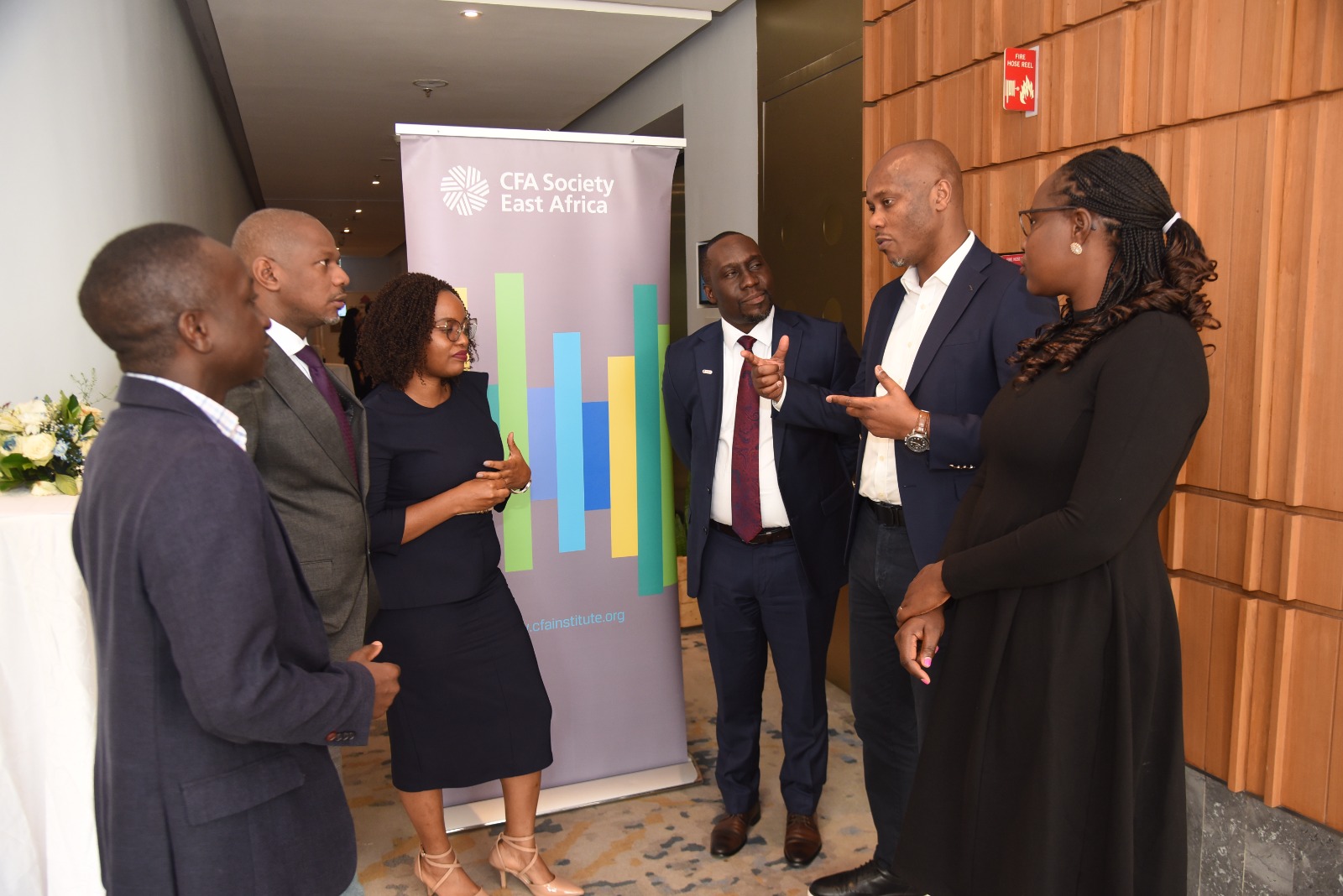
Speaking during the launch of the conference, Martin Anthony Nsubuga, Chief Executive Officer of the Uganda Retirement Benefits Regulatory Authority, said Uganda’s pension sector is now under pressure to diversify investments beyond conventional government securities and embrace productive sectors such as real estate and infrastructure.
Nsubuga explained that the pension industry globally is experiencing rapid growth, with assets under management estimated at nearly $35 trillion and projected to double within the next five years. He noted that this presents an opportunity for countries like Uganda to channel part of the growing retirement savings into transformative national development projects.
According to Nsubuga, President Yoweri Kaguta Museveni has consistently encouraged institutional investors to reduce reliance on government borrowing by investing pension savings into infrastructure and other productive sectors that can generate sustainable returns while stimulating economic growth.
He said the conference discussions are intended to build a strong framework that can guide pension funds and institutional investors on how to safely participate in large-scale projects without exposing savers’ money to unnecessary risk.
“We are looking at immovable property, buildings and real estate to provide solutions to accommodation and commercial space. But beyond that, we are also looking at infrastructure financing because the growth of pension assets requires the sector to identify new long-term investment opportunities,” Nsubuga said.
He stressed that professionalism, proper structuring and regulatory oversight would be central to ensuring that pension funds only invest in viable and profitable projects capable of generating predictable cash flows and maintaining liquidity for scheme members.
Nsubuga acknowledged concerns surrounding delayed or poorly structured government-linked projects, but said the purpose of the conference is to study successful and failed experiences from other countries, particularly Kenya, in order to establish stronger investment frameworks for Uganda.
“What is coming out strongly is the need for proper structuring, professional competence and a comprehensive regulatory framework that protects members’ money. We are not talking about simply waking up and placing pension funds into projects without proper assessment,” he said.
He added that viable projects under consideration include housing developments, schools, hospitals, roads and commercial infrastructure capable of delivering sustainable returns rather than becoming “white elephant” projects.
The conference will also examine how alternative investments can contribute to achieving global development priorities under the United Nations Sustainable Development Goals, including decent work and economic growth, infrastructure development, climate action and partnerships for sustainable development.
Alan Lwetabe, Director of Investments at the Deposit Protection Fund of Uganda and convener of the Real Estate Breakfast dialogue preceding the conference, said Uganda’s financial sector must urgently prepare for a future where returns from government securities decline as the economy expands.
Lwetabe noted that Uganda’s ambitious target of growing its economy from $60 billion to $600 billion within the next 15 years could significantly reduce the government’s need to borrow domestically at high interest rates, forcing pension funds to identify alternative income-generating investments.
“A 25-year government bond yielding 17 percent today may be yielding 12 percent ten years from now. Pension funds therefore need to prepare early and identify other investment classes that can replace those returns,” he said.
He pointed to experiences in countries such as Botswana, Zambia, South Africa and Kenya where pension-backed real estate projects have generated strong returns, particularly in sectors like student housing, retirement accommodation and commercial property development.
According to Lwetabe, Kampala’s real estate sector has historically been dominated by individuals relying on short-term commercial bank financing, resulting in numerous stalled projects because developers lacked long-term funding.
He argued that pension funds are naturally suited for long-term infrastructure and property investments because retirement savings accumulate over decades, allowing institutional investors to finance projects patiently until they begin generating returns.
“We believe the natural capital for real estate is pension funds and other long-term investors, not individuals trying to build multi-storey developments using short-term bank loans,” Lwetabe said.
He also called on East African governments to consider pooling portions of domestic pension assets into a shared regional infrastructure development fund capable of financing large-scale projects across the region.
Lwetabe said such a move would reduce dependence on foreign aid while unlocking billions of dollars for roads, housing, schools and commercial developments that could stimulate regional economic growth and increase value for savers.
The 2026 conference will further distinguish itself by introducing discussions on emerging investment themes such as geopolitics, tokenisation and artificial intelligence-driven investment management, alongside traditional conversations around private capital and infrastructure financing.
Organisers say the event will conclude with a gala dinner and recognition ceremony celebrating newly awarded charterholders and professionals contributing to the growth of East Africa’s capital markets industry.
Since its inception, the Alternative Investment Conference has steadily evolved into one of East Africa’s leading platforms for dialogue on private capital and alternative assets. Previous editions focused on reimagining private capital in institutional portfolios, catalysing financial and social impact investments and strengthening investor readiness for alternative opportunities.
This year’s edition aims to deepen those conversations by positioning Uganda at the centre of regional discussions on sustainable finance, innovation and long-term capital mobilisation.