


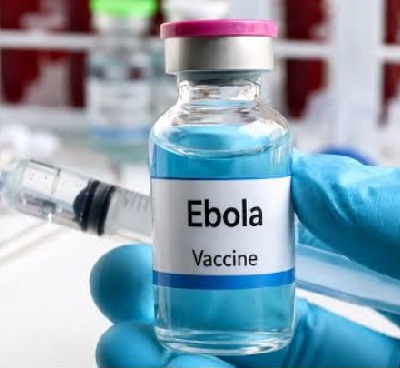
A new chapter in the global fight against Ebola has begun after researchers launched the first human clinical trial of a vaccine candidate designed to protect against the rare but deadly Bundibugyo strain of the virus.
The Phase I trial of the ChAdOx1 BDBV vaccine candidate represents a major milestone in international efforts to strengthen preparedness against emerging infectious diseases, particularly those that have historically affected communities in Africa.
The research is being advanced through a partnership involving the Coalition for Epidemic Preparedness Innovations (CEPI), the University of Oxford and the Serum Institute of India, bringing together scientific expertise, vaccine manufacturing capacity and global health financing to accelerate the development of new outbreak response tools.
The early-stage study will focus on evaluating the vaccine’s safety and its ability to trigger an immune response in participants.
Researchers hope the findings will provide critical evidence needed to determine whether the candidate can progress into larger trials and eventually support emergency use approval or licensing.
Bundibugyo ebolavirus remains one of the lesser-known Ebola species but has caused serious outbreaks in parts of Africa.
The emergence of new vaccine research targeting the strain highlights the growing global focus on preparing for diseases that can rapidly threaten public health systems.
Health experts say vaccine development during outbreaks requires long-term investment because scientific solutions often take years to advance.
While clinical trials cannot immediately replace emergency measures during active outbreaks, they provide essential knowledge and infrastructure needed to respond faster when future health crises occur.
The trial also reflects a broader shift in global health priorities, with international partners seeking to ensure that vaccines for high-risk diseases are developed more quickly, manufactured affordably and made accessible to countries most affected by outbreaks.
As health authorities continue responding to Ebola threats, organisations including Africa’s public health institutions, the World Health Organization and research partners are emphasising the importance of combining scientific innovation with strong local health systems and community involvement.
The progress of the Bundibugyo vaccine candidate will be closely watched as researchers work toward expanding the world’s ability to prevent and control future Ebola outbreaks.