



The Government of Uganda is set to unveil a National Family Policy before the end of 2025 as part of efforts to revive and strengthen the family unit, which officials say is the “most important unit of governance in the world.”
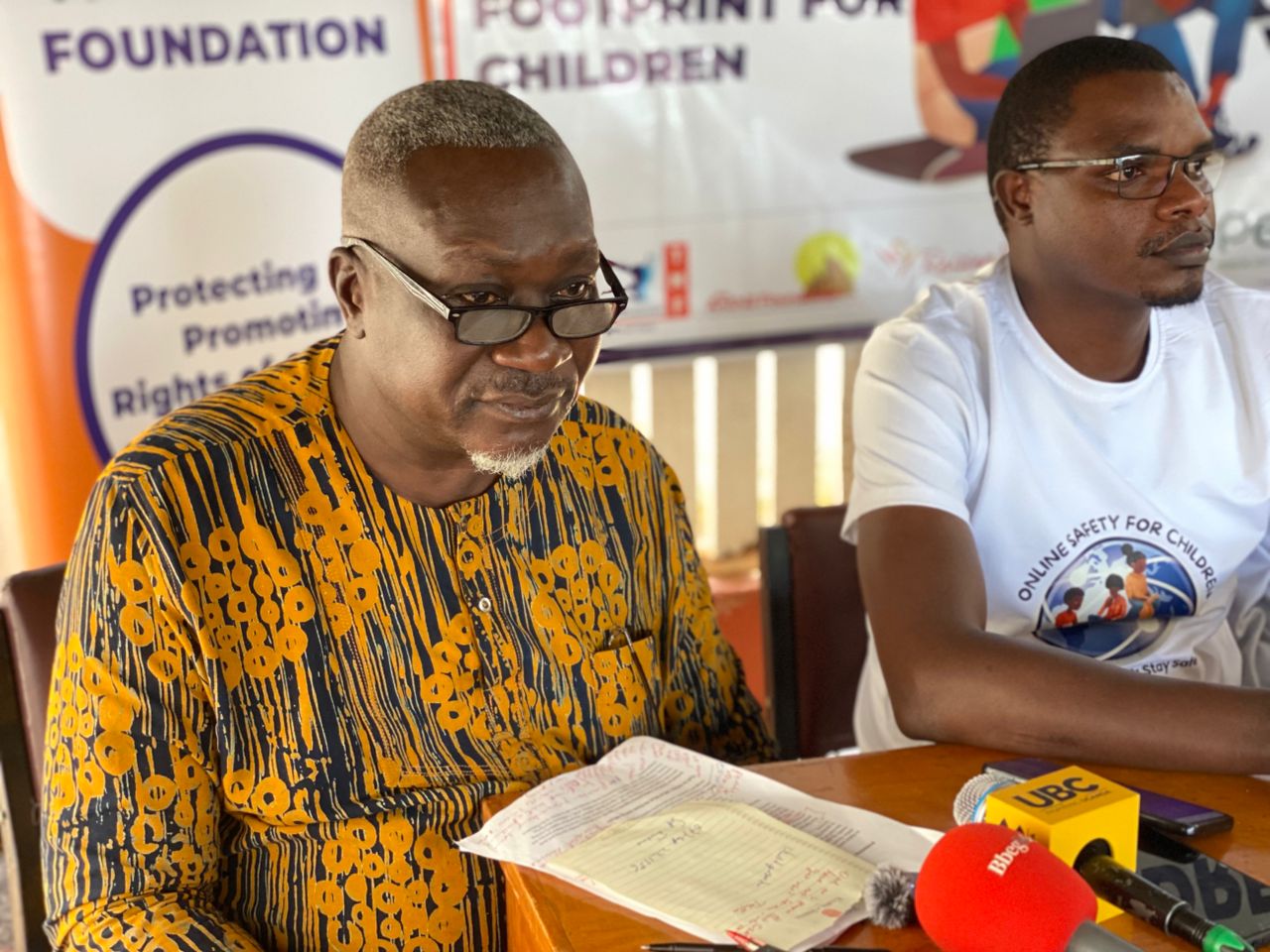
Speaking at a press briefing ahead of the Third Annual Safety Holiday Learning Camp for Children—Ekitimba, Mr. Mondo Kyateka, Assistant Commissioner for Youth and Children at the Ministry of Gender, Labour and Social Development, emphasized the urgent need to re-establish the family as the cornerstone of child protection, values education, and national development.
“We want to reincarnate that institution called the family,” Kyateka said. “If we can fix the family, we can fix the country.”
The upcoming National Family Policy will outline guidelines on parental responsibilities, family bonding, digital parenting, and community-level child protection. Among other things, it will encourage parents to spend meaningful time with their children—akin to the traditional “choto” sessions where families would sit and openly discuss life, safety, and values.
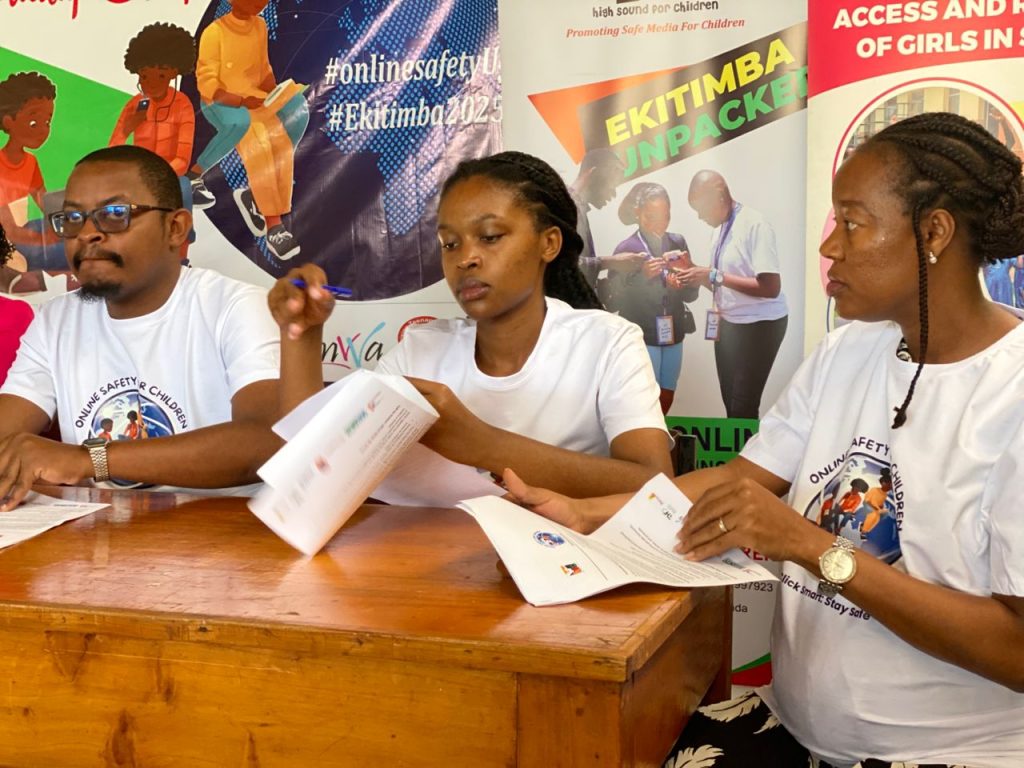
Mr. Kyateka called on local governments, civil society, religious institutions, and parents to join hands in safeguarding Uganda’s children.
“The central government cannot be everywhere,” he said. “But we have LC structures, secretaries for children, police, teachers, and faith leaders—we can all do something.”
He also criticized the breakdown of family values and the growing number of “internally displaced parents” mothers and fathers physically absent from their children’s lives.
“We have people producing children like they’re on a contract, without care, intention, or planning,” he added, noting that 42% of pregnancies in Uganda are unplanned, 60% of which stem from teenage pregnancies.
Ekitimba Camp: Building Digital Resilience for Children
“Ekitimba” Safety Holiday Learning Camp, is a two-day conference scheduled for 29th–30th August 2025 at Mama FM in Bukoto, Kisasi. Organized by High School for Children Uganda, the event will gather children, parents, teachers, and child protection experts to equip young people with practical skills to safely navigate the digital world.
Hadijah Mwanje, Executive Director of HSC for Children, highlighted that over 40% of Ugandan children aged 12–17 use the internet—mostly on shared smartphones—and more than half access it weekly. While digital platforms offer educational and creative opportunities, they also expose children to cyberbullying, online predators, scams, and harmful content.
“We are raising children in a digital world that is evolving faster than our protective systems,” Mwanje said. “Children are online, often unsupervised, and the threats are real.”
A recent Safe Online global report (July 2025) revealed that two images or videos of child sexual abuse are shared online every second, with 26,800 reported cases of online Child Sexual Exploitation and Abuse (OCSEA) last year alone. Startlingly, only 31% of victims could recognise the danger during their first interaction with an abuser.
Police: Parents Must Be the First Line of Defense
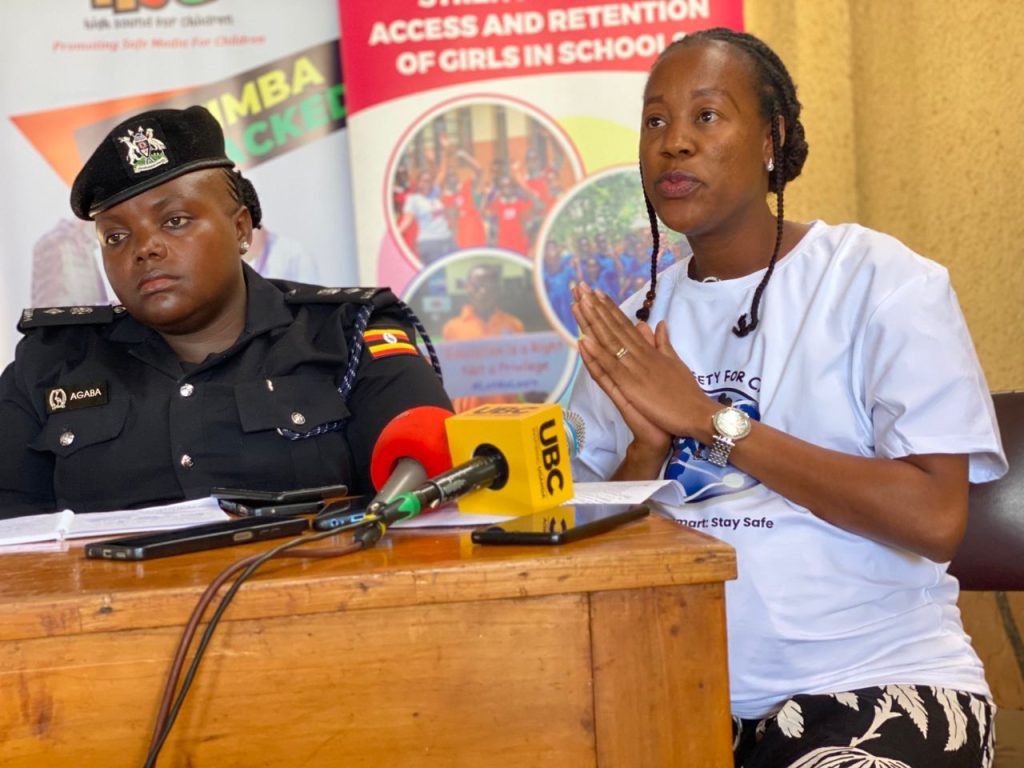
SP Innocent Agaba attached to Naguru Police headquarters, representing the Uganda Police Force, emphasized that parents are the first gatekeepers, especially since they are the ones providing smartphones and internet access.
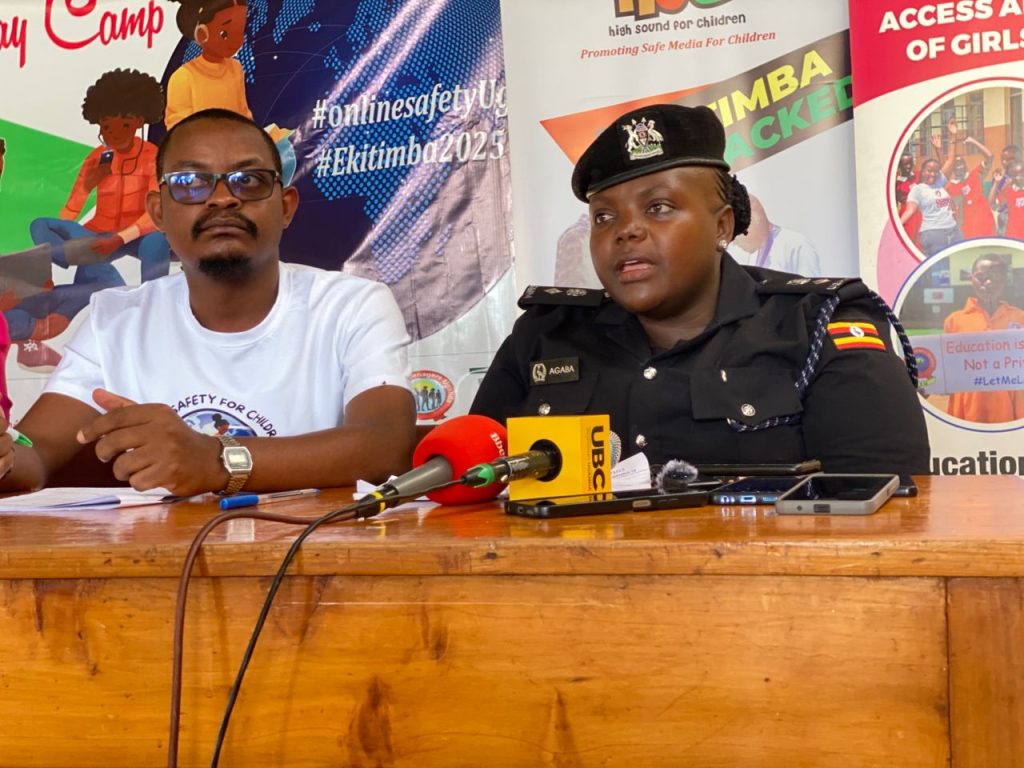
“You give your children gadgets but don’t guide them on how to use them. You’re funding their exposure without monitoring their content,” Agaba said.
She added that police are enhancing child protection efforts by training officers, partnering with organizations like UNICEF and Plan International, and encouraging communities to be proactive in reporting and supporting victims of online harm.
However, he stressed that enforcement must be accompanied by parental engagement.
“When children are harmed, they often don’t trust their parents enough to report. That needs to change.”
A Growing Mental Health Crisis Among Children
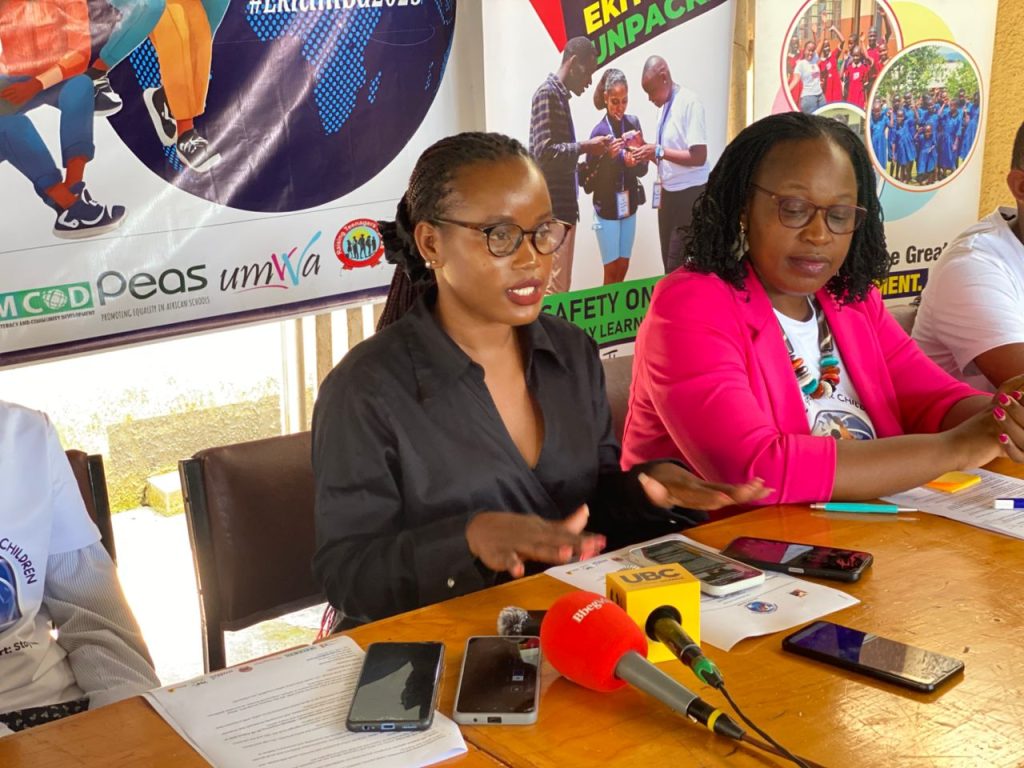
Ms. Gift Nakayinga, founder of Tekel Health Foundation, warned that excessive screen time and the fast-paced digital culture are contributing to a mental health crisis among children, with rising cases of ADHD, sleep disorders, and identity crises.
“Our children’s brains are being trained for instant gratification. We need to slow down, set limits, and build thick mental muscles,” Nakayinga said. “We are the captains of the ship, parents must reclaim their leadership.”
She pointed to content like TikTok, where ultra-short videos have rewired attention spans, affecting even how children eat, socialize, and learn.
Stacy Achen and Joselyn Apio, ambassadors for High Sound for Children and students at St. Lawrence London College, Maya, emphasized the importance of parents bringing their children to participate in programs that teach online safety.
Tabitha Ssubi, Programs Manager at Raising Voice, also stressed the need for parents to spare time to talk with their children, noting that regular conversations can help build trust and awareness around online threats.
Multi-Stakeholder Roadmap for Online Safety
The coalition behind the Ekitimba camp is calling for a comprehensive national strategy for online child safety. Their Call to Action includes:
For Government:
- Launch a National Child Online Safety Strategy aligned with the African Union’s policy.
- Operationalize the Data Protection and Privacy Act (DPPA) for children.
- Strengthen police investigations, judiciary processes, and digital forensic units.
- Make online safety part of the national school curriculum.
For Parents:
- Co-use devices and talk frequently with children about online risks.
- Learn to use privacy settings, spot warning signs, and report harmful content.
- Attend and support events like Ekitimba Camp.
For Civil Society:
- Train community leaders, support hotlines, and push for legislative reforms.
For Faith-Based Institutions:
- Use platforms to preach online safety and offer survivor support.
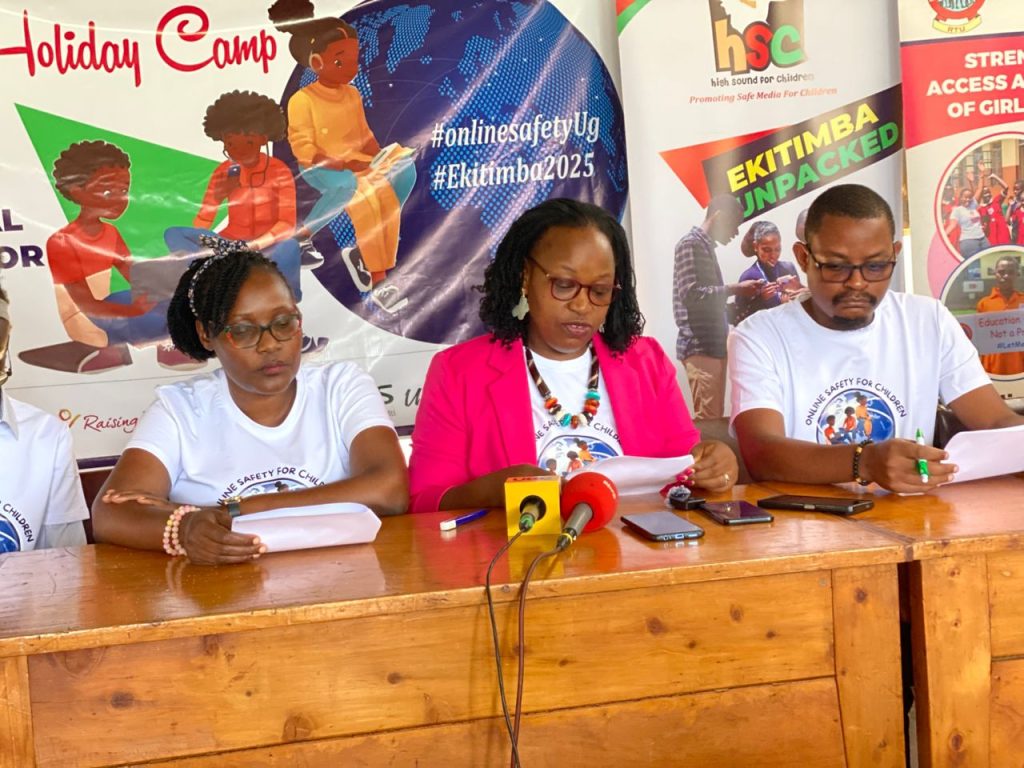
“Uganda can make the internet safer for every child,” said Hope Nankunda, Executive Director of Raising Teenagers Uganda. “It will take empowered families, skilled enforcement, informed schools, and compassionate community leadership.”
Ekitimba: A Step in the Right Direction
The Ekitimba Safety Holiday Learning Camp promises interactive learning, real-life sharing, and practical digital literacy training. With stakeholders from the Ministry of Gender, Police, civil society, and mental health advocates, the camp is designed not only to raise awareness but also to offer concrete tools for safer online engagement.