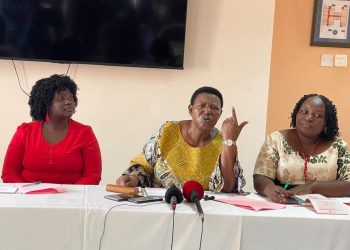



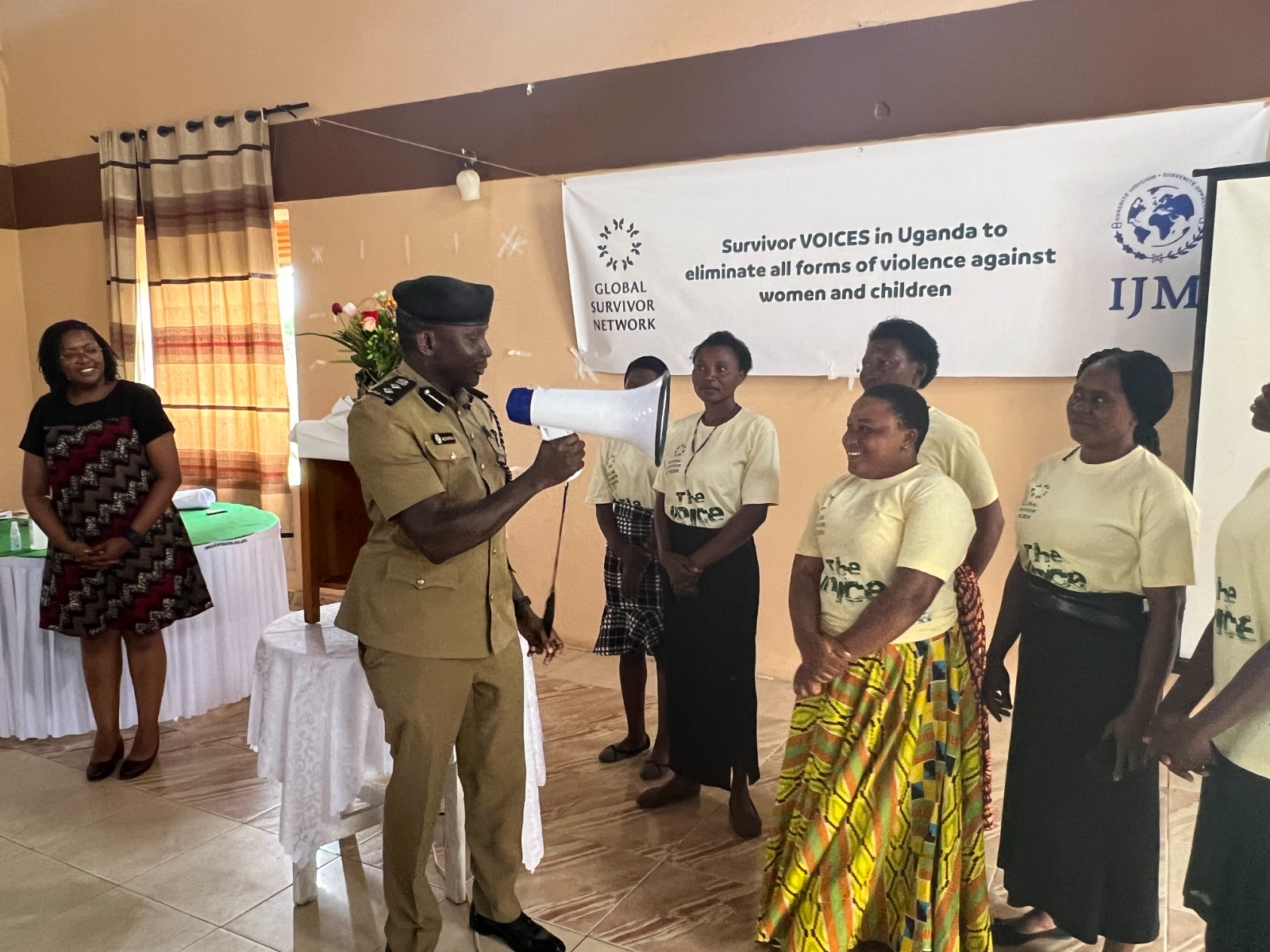
KAMPALA, Uganda : Against the backdrop of persistently high levels of gender-based violence (GBV) in Uganda, survivors are coming together under a unified national platform to advocate for justice, protection, and dignity for women and children.
With support from International Justice Mission (IJM), survivors will formally launch the Uganda Survivor Network (USN) on June 18, 2026. The initiative is a nationwide movement aimed at amplifying survivor voices, strengthening peer support systems, and promoting survivor-led advocacy and leadership.
Ahead of the national launch, survivors from Kampala and Wakiso districts will convene on April 28, 2026, to unveil the Central Uganda chapter. A second regional chapter will be launched in Karamoja on May 5.
These developments build on earlier survivor networks established in 2022 with IJM support in Northern Uganda (The Northern Giants), Western Uganda (Rwenzori Empowered Women), and Eastern Uganda (Tororo United Champions).
Together, these chapters form the foundation of a unified national platform—bringing survivor leaders from across the country together to collectively address violence and injustice. The Uganda Survivor Network is designed to place survivors at the center of the response to GBV. Through USN, members will engage in peer support, economic empowerment initiatives, advocacy, and leadership development, while strengthening coordination across regions.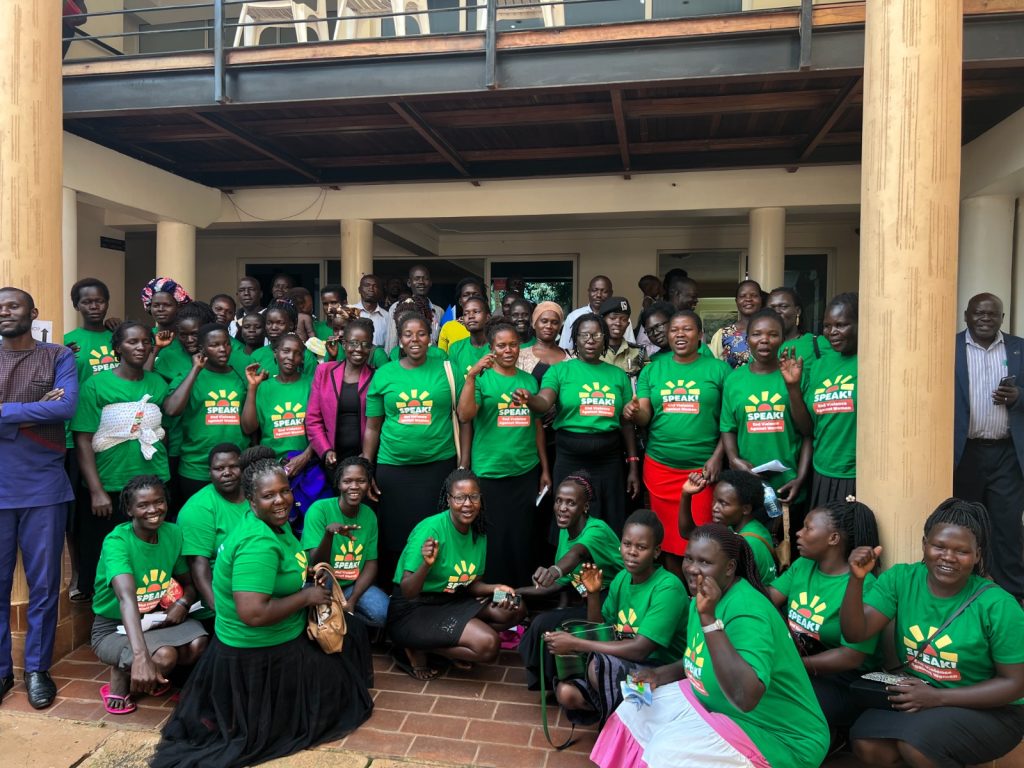 By connecting regional survivor groups under one national umbrella, USN aims to enhance collaboration, influence policy, and drive systemic change to ensure justice and protection for vulnerable women and children. The national launch will feature survivor testimonies, as well as remarks from justice sector stakeholders on the actions needed to end violence.
The establishment of USN marks a significant step toward building a resilient, survivor-driven movement. Speaking ahead of the launch, Irene Arach, Community Engagement Specialist at IJM, emphasized the critical role survivors play in addressing GBV. “Survivors are uniquely positioned to lead the movement to protect women and children from violence in their own communities. They bring powerful experiences and expertise. They understand the nature and magnitude of GBV, the harmful norms that sustain it, and the solutions required to end it,” she said.
Her remarks come as new data highlights both the scale of violence and the gaps in access to justice.
Findings from IJM Uganda’s Violence Against Women and Children (VAWC) Baseline Assessment, conducted between August 2023 and September 2024 by the International Research Consortium (IRC), paint a sobering picture.
The study assessed four key areas: the prevalence of intimate partner violence (IPV) and sexual violence against children (SVAC), survivor reliance on the justice system, stakeholder confidence in justice institutions, and the performance of criminal justice agencies.
Key Findings
Prevalence of Violence
Nearly three in five women (55%) who have ever been in a relationship have experienced physical and/or sexual violence in their lifetime, with 30.3% reporting abuse in the past year. Similarly, almost three in five children (58.6%) have experienced sexual abuse, with girls disproportionately affected—77% compared to 24% of boys. Most cases involve relatives or trusted individuals.
Low Reporting and Limited Access to Justice
Seventy-two percent of incidents of physical and sexual violence against women go unreported. Only 12% are reported to criminal justice agencies, while 16% are reported to non-justice actors.
Barriers include stigma, fear of retaliation, normalization of abuse, and low trust in the justice system.
Justice System Confidence and Performance
Only 18% of justice stakeholders expressed confidence in the system’s effectiveness, and just 6% had confidence in the entire justice chain—from police to courts.
Nearly half of reviewed cases were closed or became inactive due to interference, bribery, or informal settlements. While 98% of cases led to arrests, only 24% of survivors reported receiving trauma-informed support during the justice process.
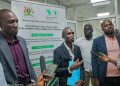
In a press statement, IJM Uganda Country Director Wamaitha Kimani emphasized the urgency of reform. “These are not just numbers. They represent the lived experiences of women and children in our communities. This study shows that we must urgently work together to ensure the justice system is responsive, trusted, and accessible—so survivors can seek help and find justice.”
Lillian Acen, a member of the Uganda Survivor Network, called on justice institutions to fulfill their mandate.
“We want police stations equipped so survivors are not asked for money to photocopy forms or facilitate investigations. We want medical personnel available. We want perpetrators arrested, prosecuted, and imprisoned. Cases should be concluded within three to six months. Delayed justice puts lives at risk,” she said.
Acen also urged authorities to prioritize trauma-informed care, strengthen community dialogues, and expand rights awareness to encourage reporting and prevent violence at the household level.
The report calls for coordinated action among justice institutions, civil society, faith and cultural leaders, local governments, and communities to reduce violence and remove barriers to justice.
Kimani underscored the importance of political commitment:
“When the state demonstrates a clear commitment to addressing GBV, the gap between the law and harmful social norms narrows. Justice must be visible, and budget decisions must reflect the high social and economic cost of violence against women and children.”