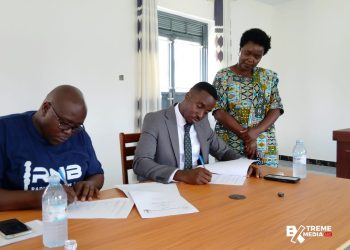



Kampala, Uganda – In a bold move to tackle the growing number of drowning deaths in Uganda, Reach A Hand Uganda (RAHU), in collaboration with the Ministry of Works and Transport, Makerere University School of Public Health, and other partners, has launched Drowning Prevention Week. The initiative is part of the global commemoration of World Drowning Prevention Day, observed annually on July 25th.
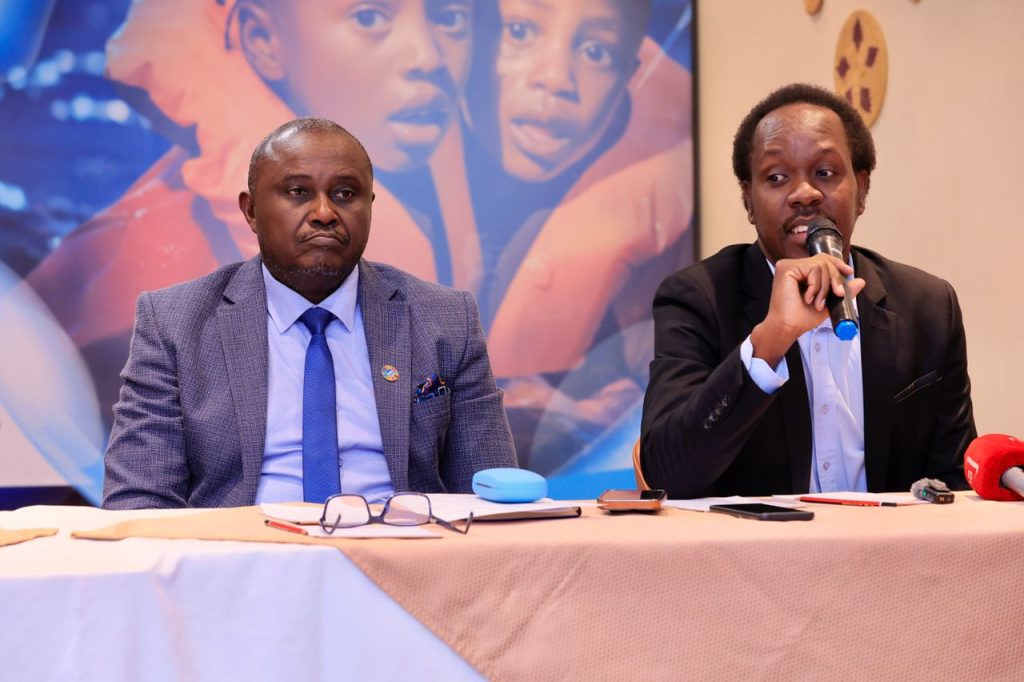
The week-long campaign is focused on raising awareness, promoting water safety, and implementing long-term solutions to address what experts have termed a “silent epidemic.”
Uganda Loses Over 3,000 Lives to Drowning Each Year
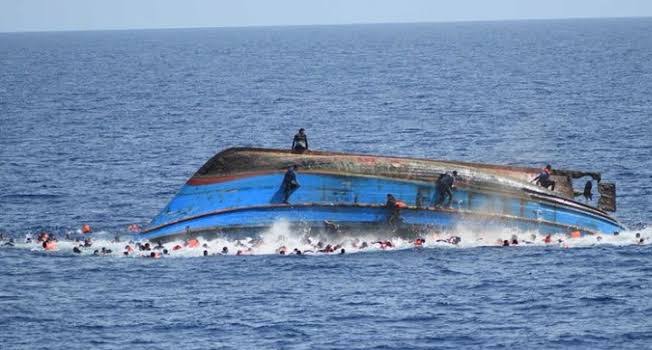
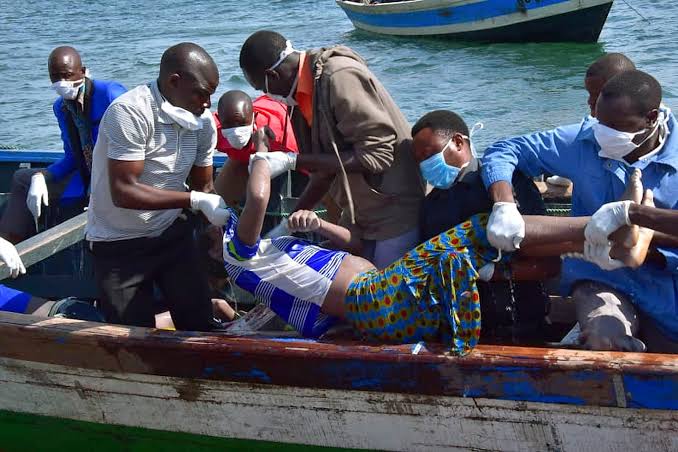
A recent study by Makerere University School of Public Health reveals that Uganda loses more than 3,000 lives annually to drowning, with the highest number of cases occurring in communities located near lakes and other water bodies. Uganda now ranks third globally in drowning-related deaths.
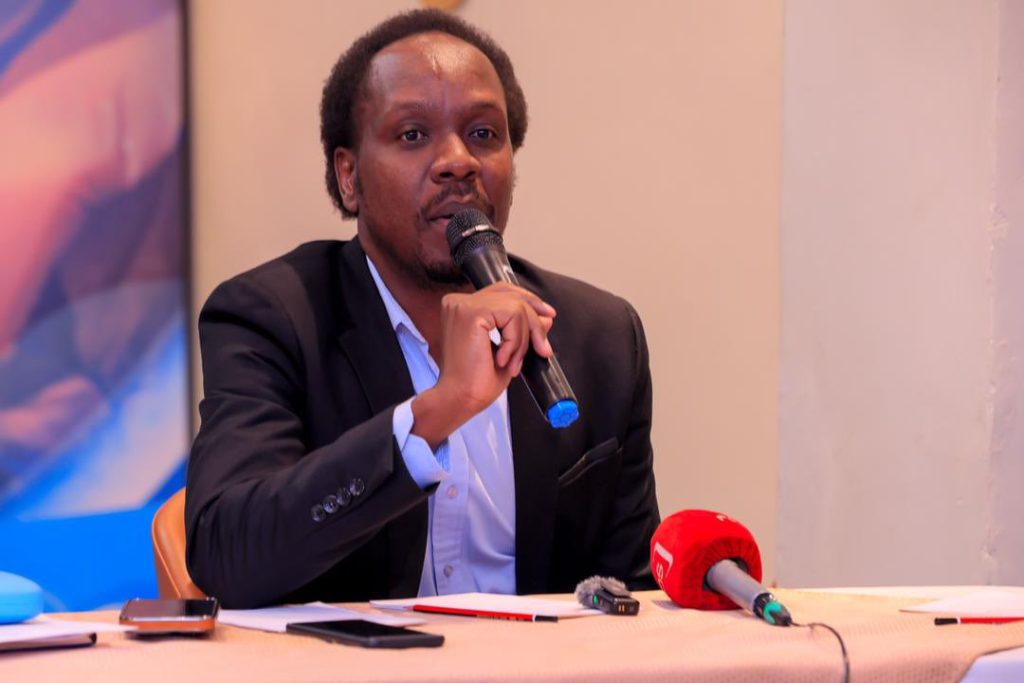
“These are not just statistics. These are parents, children, friends, and loved ones,” said Dr. Fredrick Oporia, a public health specialist at Makerere shoool of public health. “We need to prioritize survival swimming and water safety education—and the media can play a vital role in that effort.”
Government Unveils National Drowning Prevention Strategy
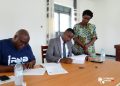
During the launch, Charles Ruzigye, Assistant Commissioner for Maritime Administration at the Ministry of Works and Transport, announced that the government has developed a National Drowning Prevention Strategy under the direction of the Office of the Prime Minister.
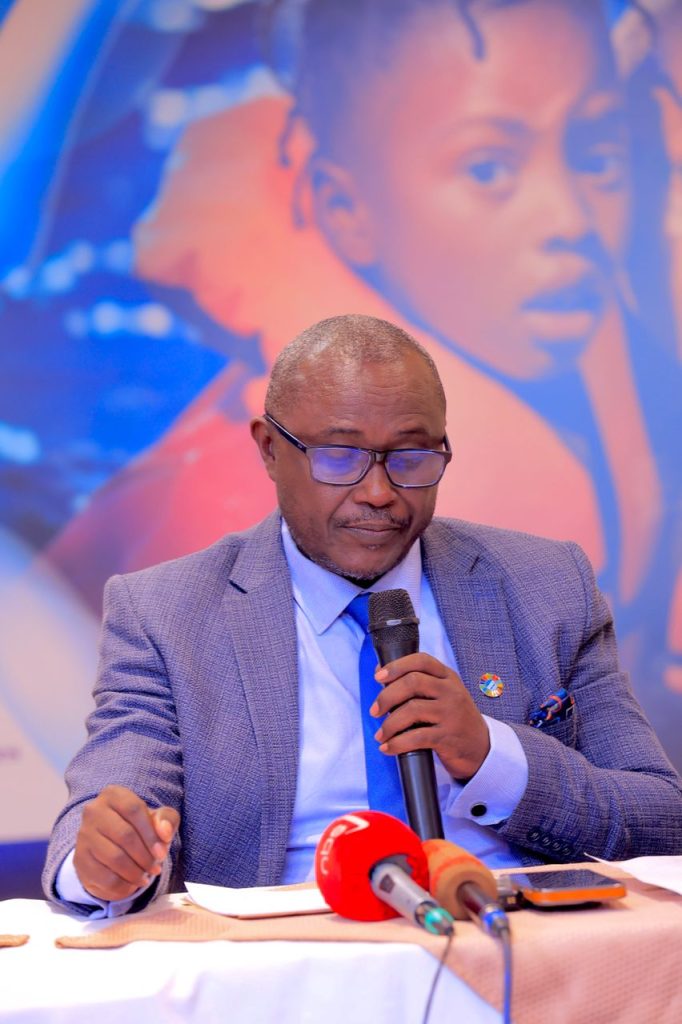
“This problem has been ongoing but has remained largely underrecognized,” Ruzigye stated. “The new strategy will help us align our efforts nationally, mobilize resources, and collaborate more effectively with all stakeholders.”
Key areas of focus under the strategy include:
- Water safety education and public awareness
- Training in survival swimming
- Promoting the use of life-saving flotation devices
- Strengthening safety policies and community engagement
The formal launch of the strategy is expected soon, with full participation from government agencies, civil society, and the media.
Community-Level Interventions in High-Risk Districts
RAHU is already working in drowning-prone districts identified in a 2020 Makerere study—namely Mayuge, Rakai, and Masaka. In these areas, the organization has launched grassroots interventions targeting schools and communities.
“We are working in over 20 schools, including island schools,” said Emmanuel Balinda, Manager of Drowning Prevention program at RAHU. “Many of these communities have never seen or used a life jacket, even though they cross water daily.”
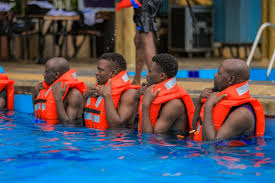
Balinda noted that RAHU is addressing gaps in awareness, equipment access, and training by establishing community swimming pools, launching swimming lessons, and training local instructors in survival swimming techniques.
A National Call to Action
Humphrey Nabimanya, Founder and CEO of Reach A Hand Uganda, issued a passionate appeal to the public:
“This is a public health emergency. Anyone can drown—but it is our collective responsibility to ensure that no one should,” he said. “We are now integrating drowning prevention efforts across our programs in more than 72 districts across the country.”
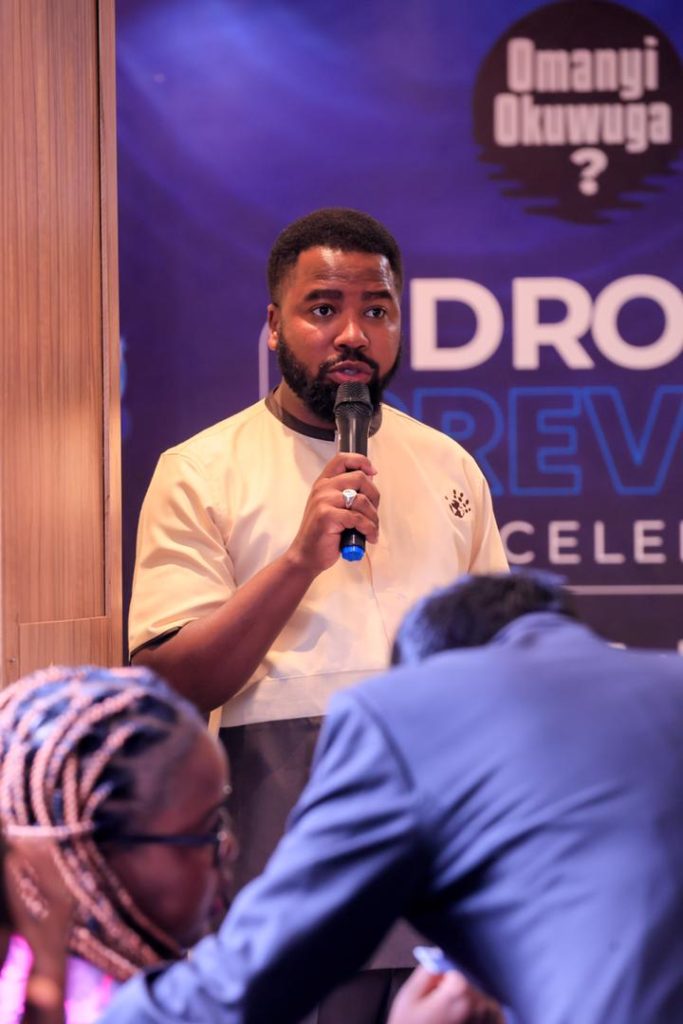
RAHU is working to strengthen its peer educator network, partner with local organizations, and integrate water safety education into youth programs and school curricula nationwide.
Key Activities This Week
As part of Drowning Prevention Week, several events are scheduled across the country, including:
- Community outreach in Mayuge – Wednesday, July 23
- National commemoration event at Speke Resort Munyonyo – Friday, July 25
- Survival swimming training for local instructors
- Awareness campaigns through media and local platforms
Working Together for Safer Waters
The drowning prevention campaign has united partners from government, academia, civil society, and the private sector. With this collaborative approach, stakeholders are hopeful that Uganda can make meaningful progress in reducing drowning deaths, empowering communities, and making water safer for all.