


The Ministry of Water and Environment come out to allay public concerns following the recent appearance of a brownish cloud, foul odor, and oily film on Lake Bunyonyi.
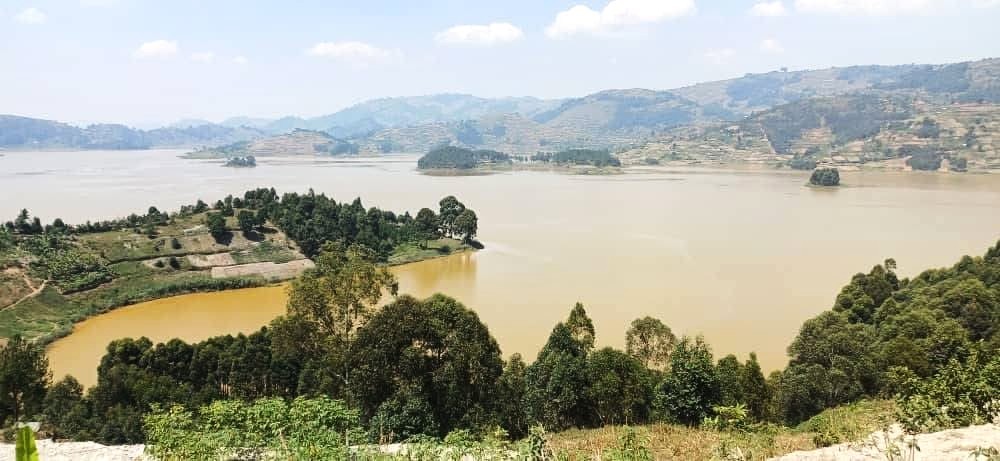
The ministry attributes the changes to a mix of natural processes, human activity, and poor land management.
In a statement issued Tuesday (September 2, 2025), the Ministry said it had completed a rapid assessment of the lake, located in Southwestern Uganda between Kisoro and Rubanda districts.
The investigation involved field observations, interviews with locals, and laboratory analysis of water samples.
“Our findings show that the discoloration and pollution are mainly caused by a combination of runoff from surrounding hills, lake water turnover due to recent heavy rains, and poor waste management from human settlements and activities around the lake,” the statement read.
According to Noel Muhangi, Senior Public Relations Officer at the ministry of Water and Environment, while such color changes were previously seasonal and short-lived, the current situation is more severe and prolonged.
“Historically, after rainfall events, the lake would turn slightly brown for a few days and return to normal. However, this time the change has persisted for over three weeks,” he explained explained.
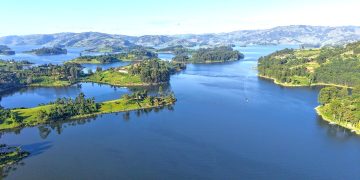
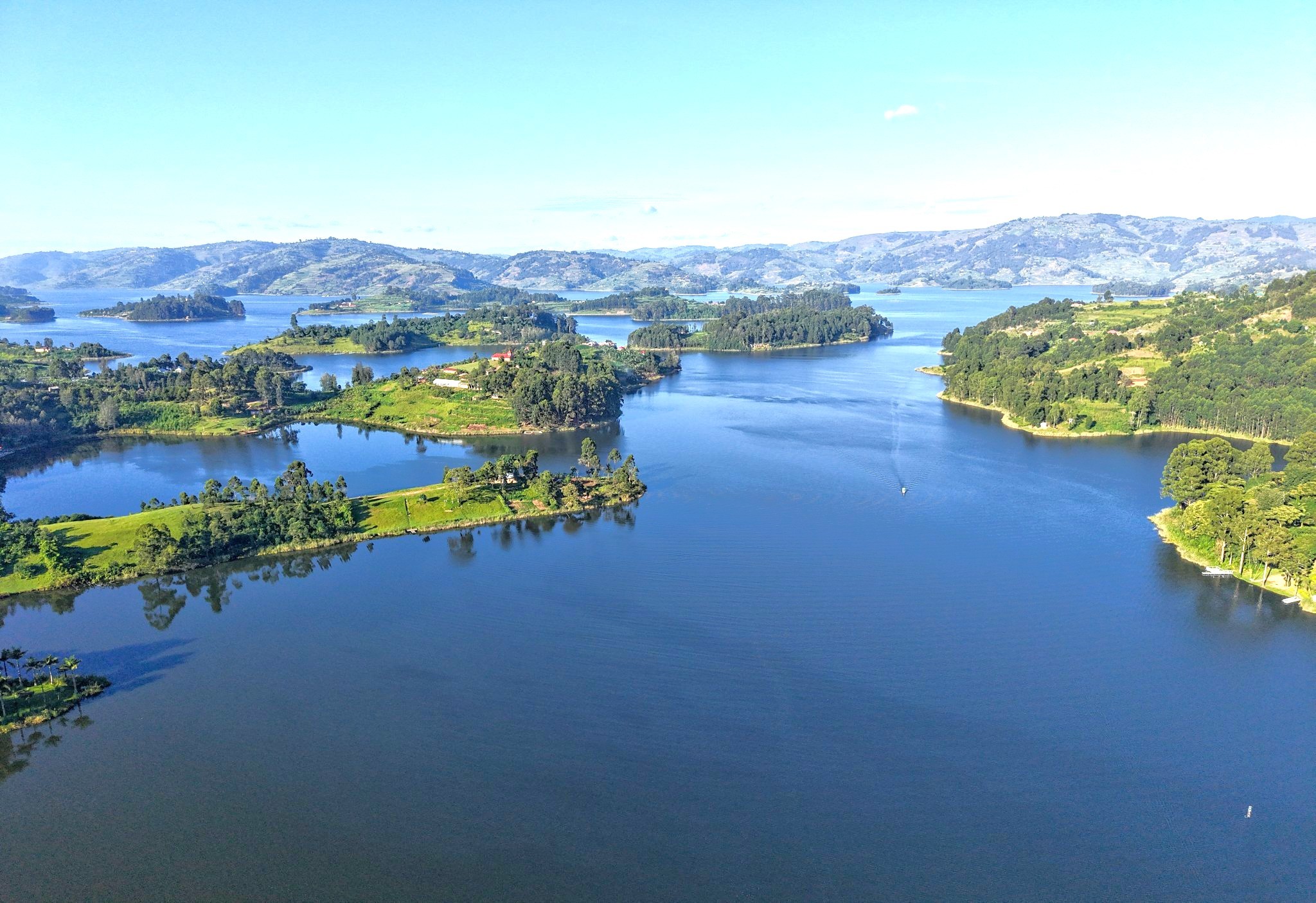
Lake Bunyonyi, famed for its scenic beauty and ecological significance, supports over 29 islands and numerous communities that rely on its waters for domestic use. But recent changes have raised health and environmental fears.
The ministry noted that the National Water and Sewerage Corporation (NWSC) has struggled to meet the required water color standards for domestic supply, despite bacteriological compliance.
Now, some residents have resorted to finding alternative sources of water, which are harder to access.
Pollution sources, ecological concerns
The ministry’s Ag. Permanent Secretary Eng. Gilbert Kimanzi noted that field investigations identified 46 hotels operating along the lakeshore, most with septic tanks, though the possibility of illegal waste discharge remains a concern.
Additionally, he said the Harutindo Landing Centre market, which operates twice a week, lacks proper sanitation, potentially contributing to lake pollution.
“Community feedback and physical inspections provided no evidence of volcanic activity at the lakebed, as some media reports speculated,” he clarified.
Kimanzi noted that a volcanic eruption would have caused tremors and turbulence, which were not observed.
He stressed that water quality tests conducted around the lake revealed dangerously low levels of Dissolved Oxygen (DO) , averaging 1.60mg/L, which poses a serious risk of eutrophication, a process that leads to oxygen depletion and kills aquatic life.
Turbidity levels at various points, including Leprosy Island and the lake’s deepest areas, were significantly elevated. Combined with high levels of color (up to 130 PtCo), these changes point to increased suspended solids and decaying organic matter in the water.
“The brown color likely results from the combination of decaying vegetation and runoff carrying soil and organic material from farming and mining areas into the lake,” he noted.
Environmental mismanagement
According to the ministry, the lake’s location in a steep valley surrounded by bare hills makes it highly vulnerable to erosion and siltation.
Activities such as agriculture on unprotected slopes, stone quarrying, and iron ore mining have exacerbated sediment flow into the lake.
“These activities, combined with climate-driven rainfall patterns, are disrupting the lake’s natural ecosystem. We’re witnessing the cumulative effect of years of poor catchment management,” Dr. Callist Tindimugaya, the Commissioner Water Resources Management said.
The ministry also cited lake turnover, a natural phenomenon where cooler, oxygen-depleted bottom waters mix with warmer surface waters, as a contributing factor.
It notes that this process can be intensified by abrupt weather changes, which Uganda has experienced in recent months.
The oily film and white cream observed on the lake are attributed to organic waste breakdown and chemical reactions in the low-oxygen water.
Proposed action
He said the ministry is now preparing to scale up remedial measures to protect Lake Bunyonyi, beginning with the enforcement of environmental regulations and ongoing investigations.
Immediate actions include mapping and protecting buffer zones along the lake, inspecting businesses for regulatory compliance, and implementing public awareness campaigns.
“We’re working with NWSC to improve water treatment technologies to manage the high turbidity and color levels,” Tindimugaya said.
He noted that long-term strategies will focus on restoring degraded catchment areas through soil and water conservation, tree planting, and the introduction of alternative income-generating activities for local communities.
As Uganda continues to face increasing environmental pressure due to climate change and population growth, Lake Bunyonyi’s condition is a stark reminder of the need for urgent, science-based environmental governance.
The ministry also plans to partner with local governments to improve sanitation infrastructure at community hubs like Harutindo Landing Centre, thereby reducing direct waste discharge into the lake.
“Lake Bunyonyi is a national treasure,” Tindimugaya emphasized. “Our coordinated response aims to restore its ecological balance and preserve it for generations to come.”
The Ruhezamyenda Catchment Management Plan, developed in 2015, will be updated and expanded to guide these efforts over the next five years, according to the ministry’s statement.