


GULU, Uganda (UGNEWSLINE) – The Government of Uganda is considering to prioritize women-led businesses in science, technology, engineering and mathematics (STEM), green energy, climate resilience, agribusiness processing, health technology and early childcare under the GROW Business Plan Competition Grants.
The initiative targets women entrepreneurs who were unable to access the government-backed Generating Growth Opportunities and Productivity for Women Enterprises (GROW) Loan, offering non-repayable grants ranging from Shs3.5 million to Shs107.07 million to support business expansion and create economic opportunities.
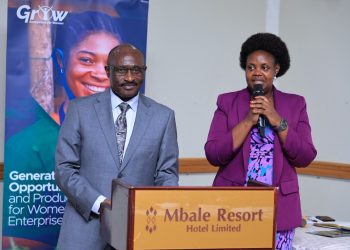
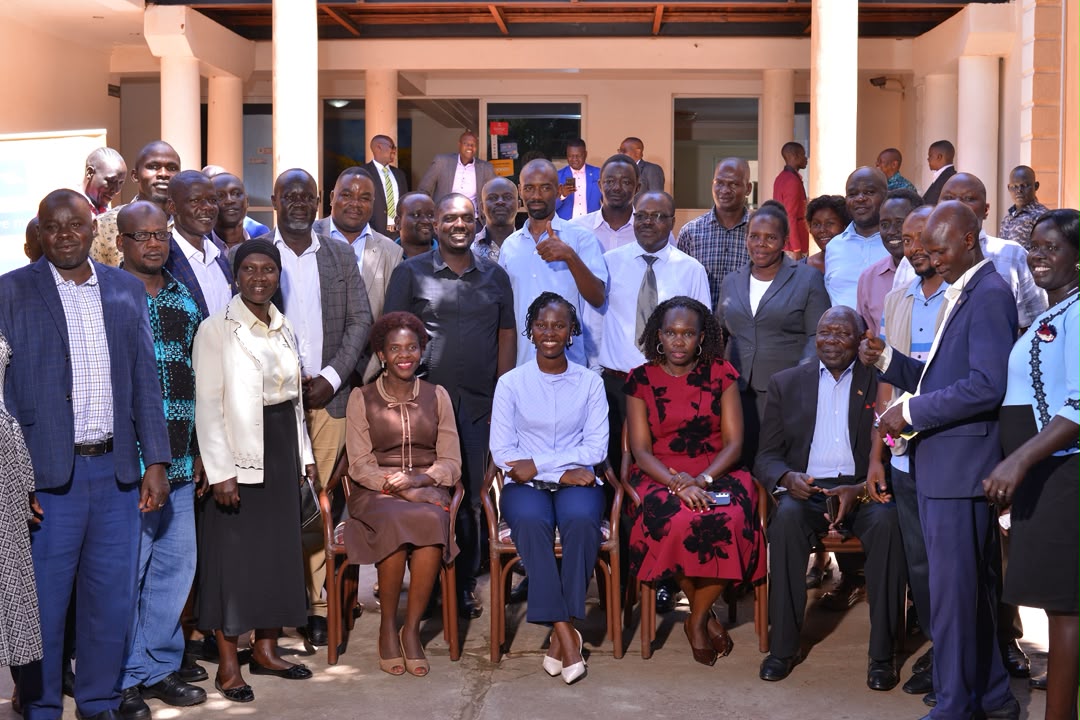
Hon. Mercy Faith Lakisa, Minister of State for Youth and Children Affairs, announced the priorities during an orientation meeting for local government leaders at Boma Hotel in Gulu City on Thursday, October 8, 2026.
“We are prioritising creativity, Science, Technology, Engineering and Mathematics (STEM)-driven innovation, green businesses and climate resilience, including solar energy, irrigation and waste management, commercial agribusiness processing, health technology, and early childcare facilities for children aged zero to three years,” Lakisa said.
The grants are part of the government’s efforts, implemented through the Ministry of Gender, Labour and Social Development with support from the World Bank, to help women-owned micro and small enterprises move beyond subsistence operations into competitive, sustainable and high-growth businesses.
Lakisa said the grant programme responds to challenges identified during the implementation of the GROW Loan, which left some viable women entrepreneurs unable to secure financing because of financial constraints, strict banking requirements and credit limitations.
She said the Business Plan Competition Grants would provide an alternative source of capital for eligible women who missed out on the loan, while widening access to support for women-owned businesses across the country.

The government targets to support at least 2,626 women-owned enterprises nationwide, including at least 767 businesses in refugee-hosting districts.
Under the programme, micro enterprises with up to four employees and sales or assets of up to Shs10 million are eligible for grants ranging from Shs3.5 million to Shs35.69 million.
Small enterprises employing between five and 49 people, with assets ranging from Shs10 million to Shs100 million, can receive between Shs39.259 million and Shs107.07 million.
The funding is intended to support business expansion, formalisation, the acquisition of production equipment and working capital, with higher-tier grants prioritising high-impact businesses in male-dominated and non-traditional sectors.
However, the programme provides broader eligibility provisions for women in refugee-hosting districts, persons with disabilities and vulnerable groups. These categories may include enterprises engaged in poultry and goat rearing, food processing, tailoring, childcare, mobile money services and catering.
Outside these special provisions, activities such as general market vending, basic hair salons, event planning and subsistence farming are not eligible for funding.
Lakisa said all funded projects must be implemented within nine to 12 months and completed by June 2027.
Local leaders tasked with mobilisation
The minister called on resident district commissioners, district chairpersons, mayors, chief administrative officers, commercial officers and women’s entrepreneurship leaders to mobilise eligible applicants and ensure that accurate information reaches communities.
She urged local leaders to explain the eligibility requirements, prevent misinformation and ensure that women who do not qualify are informed early to avoid false expectations.
Lakisa also emphasised that previous GROW Loan beneficiaries are not eligible for the grants, saying the restriction is intended to extend support to women entrepreneurs who have not benefited from the loan scheme.
She cautioned leaders against corruption and exploitation, urging them to protect applicants from individuals seeking payment in exchange for application assistance or promises of funding.
Applications to be free
The minister said applications for the GROW Business Plan Competition Grants would be entirely free, warning women entrepreneurs against paying officials, consultants or brokers to obtain application forms or secure funding.
Applications are to be submitted digitally through the official GROW Project website or the GROW Project mobile application available on the Google Play Store.
The Request for Applications will remain open for 30 calendar days from the official launch date. Business clinics will also be organised across sub-regions to guide applicants on proposal preparation, budgeting and documentation.
Applicants will undergo Credit Reference Bureau checks, financial sanction reviews and labour and human rights compliance assessments as part of the screening process.
Lakisa urged local government leaders to use community meetings, local radio programmes and women’s networks to publicise the competition, facilitate access to business clinics and help eligible applicants prepare the required documentation.