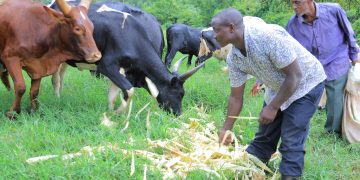




Buwanku Village, Nakaseke District — Farmers in Ngoma Subcounty, Nakaseke North, are being encouraged to embrace renewable energy technologies under the Distributed Renewable Energy Ecosystem Model (DREEM) hub project. The initiative, led by Heifer International, is already transforming lives by improving access to clean energy and enhancing agricultural productivity.
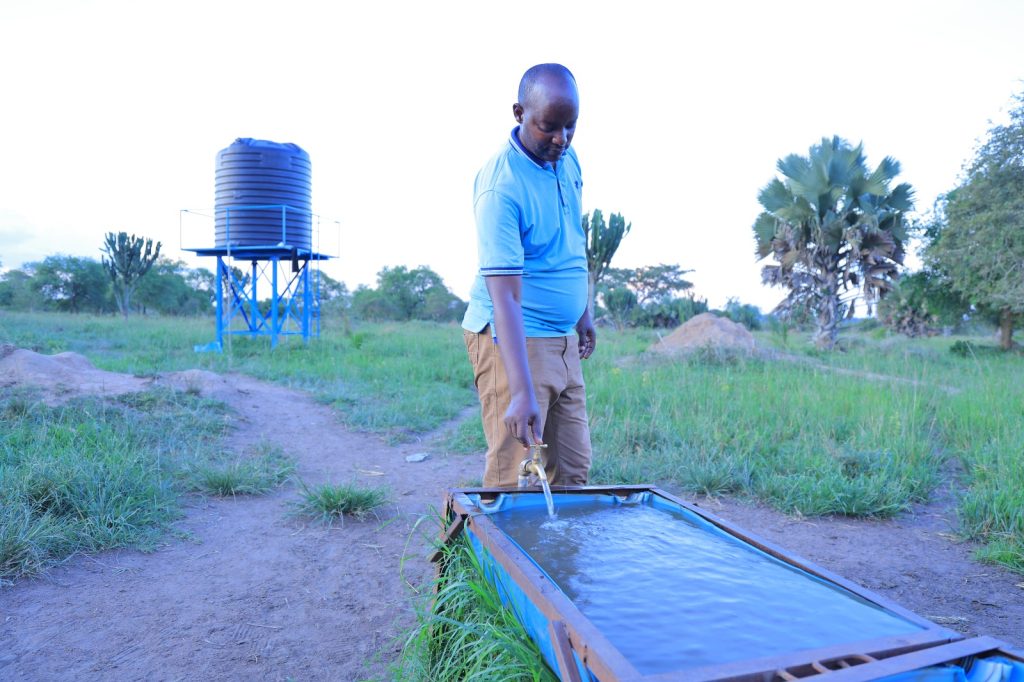
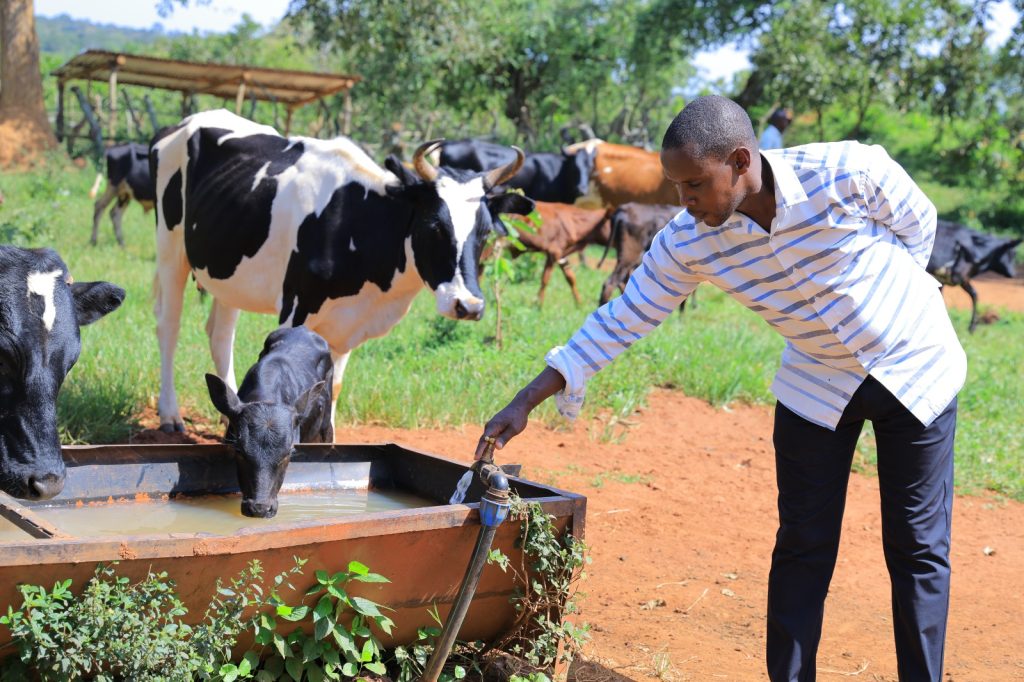
During a media tour of the project, Rwakyaka Benon, Chairperson of the Kijjumba Dairy Farmers Cooperative Society Limited, shared how renewable energy has revitalized his dairy farming operations. Once burdened by daily challenges, Rwakyaka now enjoys a stable income thanks to solar-powered solutions that pump water, power a chaff cutter for animal feed, and preserve milk using a solar chilling system. He proudly reports collecting over 75 litres of milk every day.
Speaking to the media, Edna Nyamwaka of Heifer International highlighted that the DREEM project funded by the Mott Foundation, aims to support 20,000 smallholder farmers across Uganda. The project focuses on the productive use of solar energy (PUSE) to create economic opportunities, especially for underserved youth and women.
“In the two years since its launch, the project has trained over 1,000 women and youth in agribusiness, introduced more than 30 university students to agricultural technology applications, and established public learning centers for solar-powered agricultural practices,” said Ms. Nyamwaka. Key partners in this effort include JEEP and the Kabaka Foundation.
The initiative has also supported the development of seven model farms equipped with solar and water systems and helped three cooperatives install commercial-scale solar units at milk collection centers.
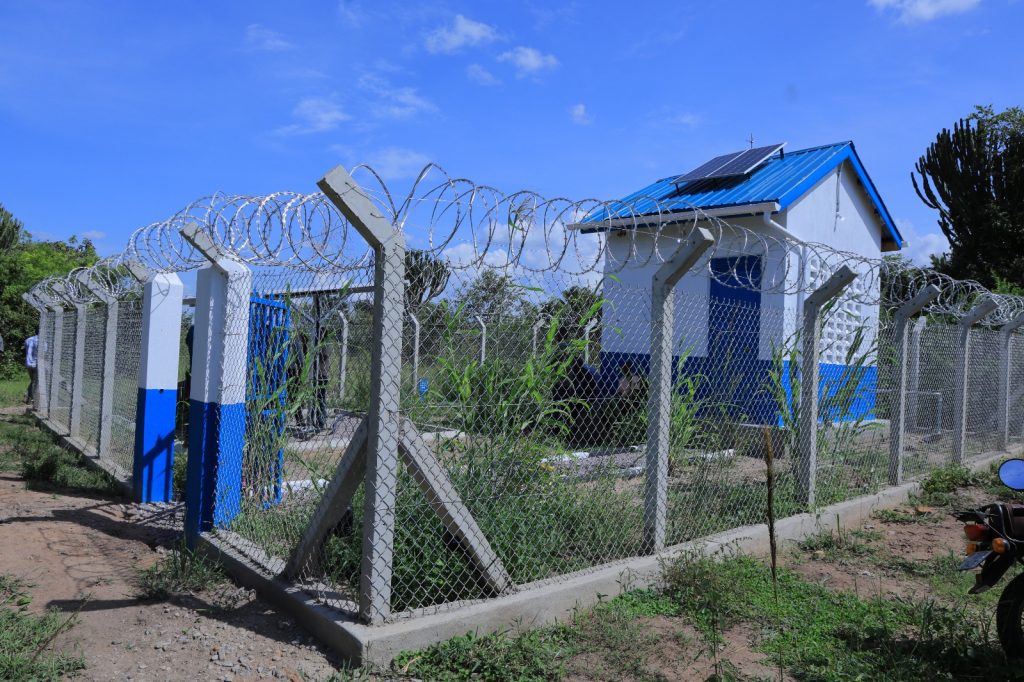
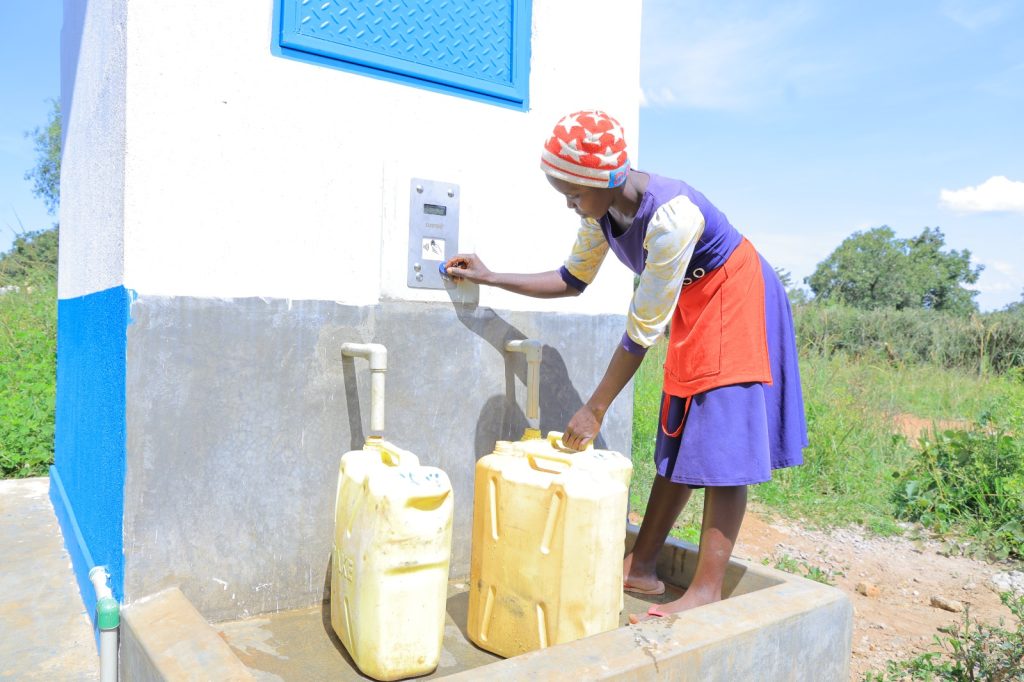
One major milestone is the establishment of the Nyakalongo Water Supply System, a community-led project that now provides clean water to over 700 households. More than 1,500 families and six cooperatives have been “solarized,” with plans underway to equip over 20 additional milk collection centers.
Nyamwaka emphasized that cooperatives develop in phases based on their leadership and management capacity. She noted that Nyakalongo is still in its early stages, focusing on milk bulking but with potential to grow into areas like veterinary services and food distribution.
“By improving farmers’ resilience to climate change, DREEM supports long-term, sustainable income generation,” she added.
Ainebyona Simon Mugisha, Chairperson of the Nyakalongo Dairy Farmers Cooperative Society, praised the initiative for its impact on water access. Previously, farmers spent up to UGX 150,000 per week on water for dairy activities. With DREEM’s support, the cooperative now has reliable and affordable access to water.
Another beneficiary, Nuwatekateka Grace from Kalyaburo Village, shared how the project has transformed her farming operations. She received a solar-powered water pump, milk cooler, and chuff cutter, along with high-quality cow feed seeds. These tools enable her to irrigate crops year-round, produce silage, and preserve milk effectively.
Heifer International continues to call on more farmers to embrace renewable energy technologies to strengthen their dairy businesses and secure sustainable livelihoods.