
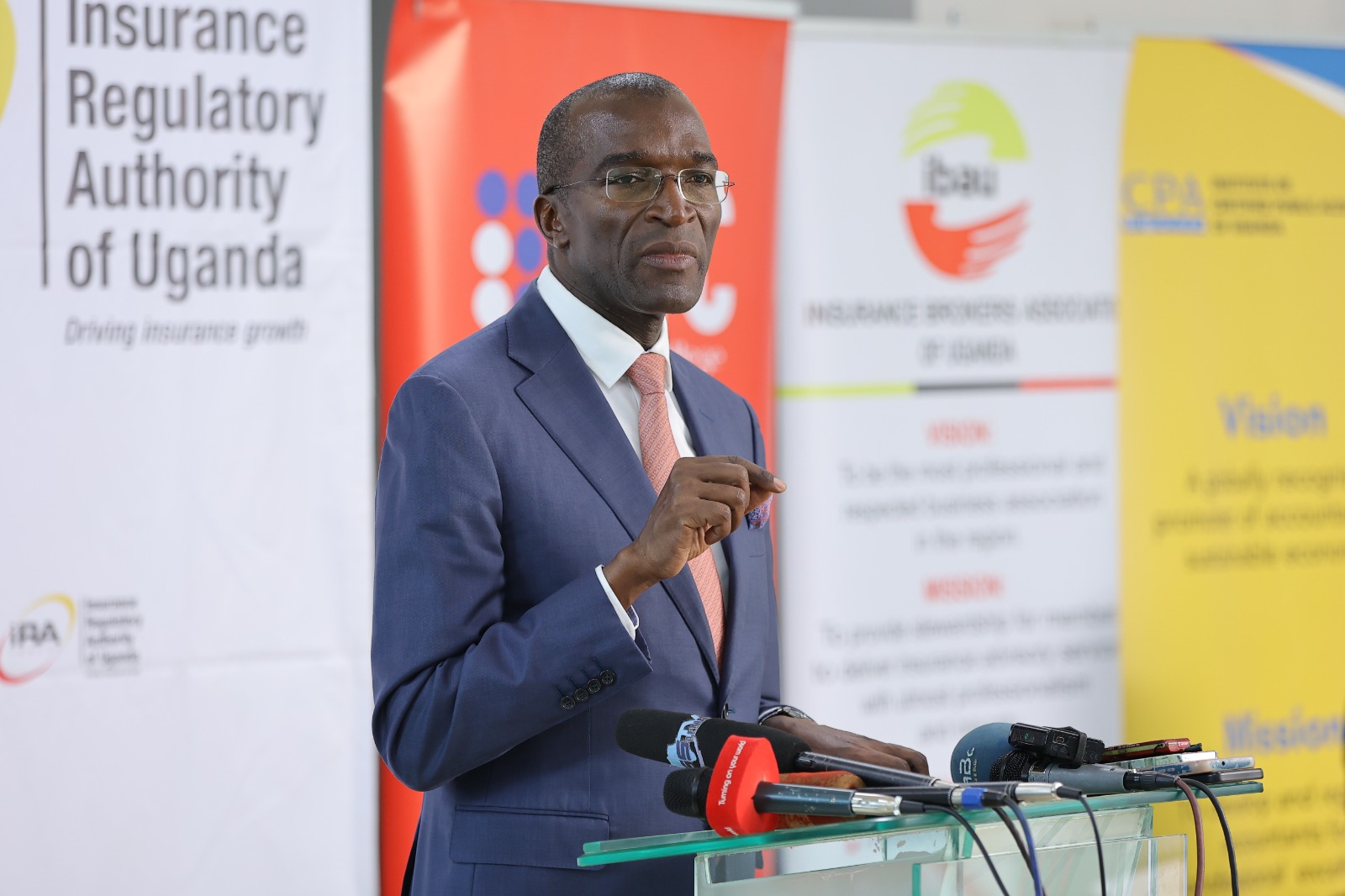
KAMPALA, Uganda — The Insurance Regulatory Authority of Uganda (IRA) has cleared 144 industry players to conduct insurance business, effective January 2, 2026.
The approved players include two (2) reinsurance companies, nineteen (19) non-life insurance companies, nine (9) life insurance companies, three (3) microinsurance companies, one (1) Takaful insurance company, and one (1) Health Membership Organisation (HMO). Others are five (5) reinsurance brokers and forty-nine (49) insurance brokers.
The list further includes twenty-two (22) bancassurance agents and thirty-three (33) loss assessors, adjusters, and risk advisors. A detailed list of the 2026 authorized players is accessible on the Authority’s website, www.ira.co.ug.
The authorization process was conducted in line with established regulatory frameworks, ensuring that all licensed players meet the required standards of compliance, integrity, and operational capacity. By granting these licenses, the Authority reaffirms its commitment to creating a fair and competitive environment that supports innovation and sustainable development in the insurance sector.
The Chief Executive Officer of the Authority, Alhaj Dr. Kaddunabbi Ibrahim Lubega, noted that the licensing exercise is not merely about numbers.
“This rigorous exercise is about checking the compliance of each player to build a strong foundation for the insurance business in 2026. We therefore expect these players to uphold the highest standards of professionalism and contribute meaningfully to the growth of our economy.”
As the Authority continues to monitor and support licensed players to ensure adherence to regulations, the public is advised to conduct business only with duly licensed insurance providers.
About the Insurance Regulatory Authority of Uganda
According to the Insurance Act, Cap 191, Section 10, the objective of the Authority is to promote and facilitate the maintenance of a sound, efficient, fair, transparent, and stable insurance sector.
The Authority is responsible for regulating, supervising, monitoring, and controlling the sector; establishing standards for the conduct of insurance business; receiving and resolving insurance-related complaints; and promoting public awareness and education about the insurance industry.