


KAMPALA, UGANDA — Young people have been urged to practice responsible sexual behaviour, regularly test for HIV and use protection, amid concerns over rising new HIV infections among people aged 20 to 24.
The call was made by Mr. Osborne Turyasingura, Head of the National Secretariat for Special Interest Groups at the Ministry of Gender, Labour and Social Development, while speaking to adolescents and young people in Kamwokya, Kawempe Division.
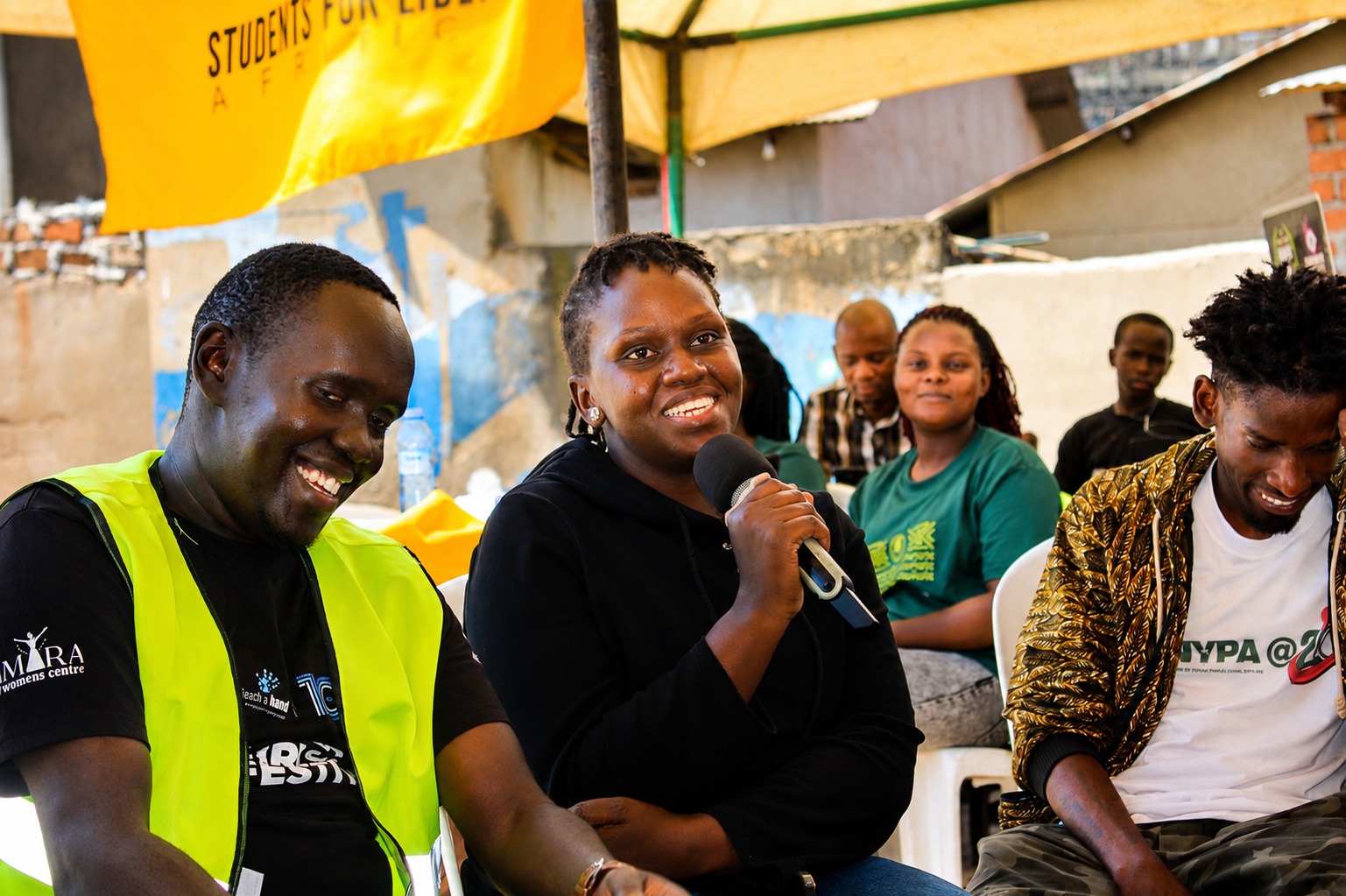
Mr. Turyasingura was the chief guest at activities organized by the Uganda Youth and Adolescents Health Forum (UYAHF), tiKO and partners to mark the post-commemoration of International Youth Day under the theme “Different Contexts, Common Aspirations.”
The activities began with a community clean-up exercise before participants engaged in discussions on HIV prevention, sexual and reproductive health, access to government programmes and other challenges affecting young people.
Turyasingura said recent statistics showing an increase in HIV infections among young people, particularly those aged 20 to 24, were worrying and required renewed efforts from government, civil society and young people themselves.
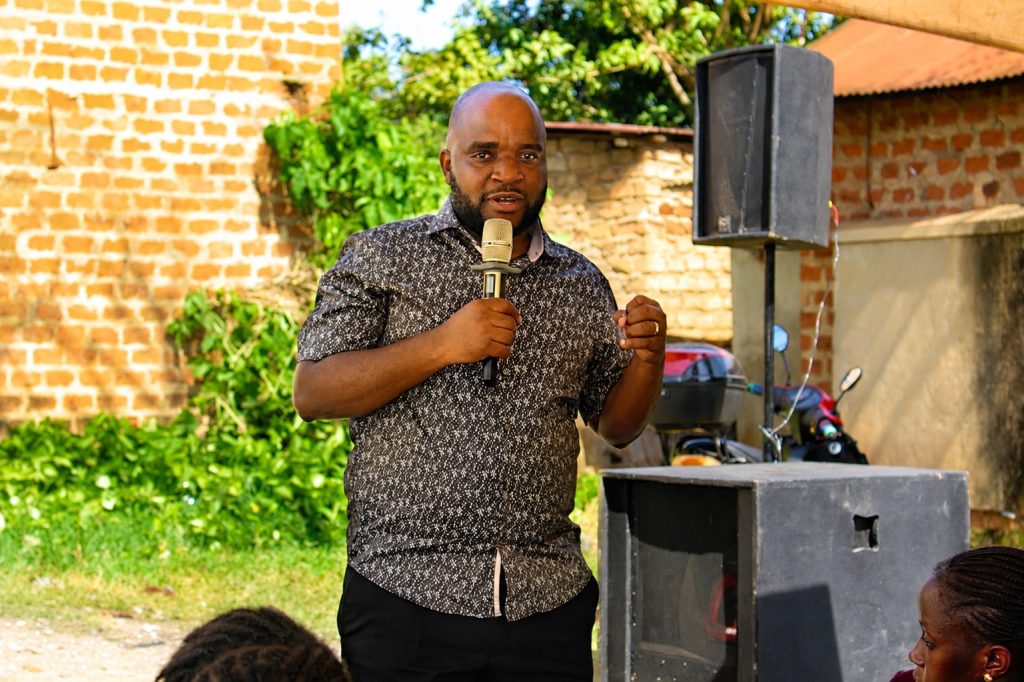
“We have a challenge of recent statistics that came out in the newspapers that the HIV numbers have gone high, especially in Kampala, and it is among young people aged 20 to 24,” Turyasingura said.
He attributed the increase partly to reduced awareness about HIV, unemployment and limited access to condoms and other prevention services.
According to Turyasingura, the introduction of effective HIV treatment has also contributed to a perception among some young people that HIV is no longer a serious threat.
He said government is working with the Ministry of Health and other stakeholders to strengthen HIV awareness campaigns and improve access to condoms, particularly for young people living in informal settlements.
Turyasingura also challenged young people to take personal responsibility for protecting their health, saying access to information and prevention services should be matched with responsible choices.
“There is also indiscipline. Young people know that not to use a condom is risky, but they still go on to have unprotected sex and do not go for HIV tests,” he said.
He added: “Young people must say, yes, it is okay to have sex, but we have discipline to go and test, and have discipline to use protection.”
As part of the commemoration, UYAHF provided free medical services to residents of Kamwokya and neighbouring areas, including HIV and sexually transmitted infection testing, family planning, counselling, condom distribution and mental health support.
Norah Nakyegera, Partnerships and Campaigns Officer at UYAHF, said the organisation targets adolescents and young people with age-appropriate information and health services, particularly those in vulnerable communities.
She said adolescents living in slum communities face challenges including limited access to reliable sexual and reproductive health information, judgmental health workers, poor sanitation and safety concerns.
“Most of them have already alluded to the scarcity of information that they have, age-appropriate information, and also health facilities where judgmental health workers are supposed to be extending services to them,” Nakyegera said.
She said such experiences sometimes force young people to seek information from peers, which can expose them to myths and misconceptions about pregnancy, HIV and sexual health.
Nakyegera said the organisation also prioritizes teenage mothers, helping them access family planning services to prevent unintended second pregnancies.
Meanwhile, Ruth Wonders Mugisha, a health advocate, said the increasing number of new HIV infections among young people aged 20 to 24 is alarming and called for stronger prevention efforts.
She noted that young people have access to prevention options, including post-exposure prophylaxis (PEP), but more awareness is needed to ensure they know where and how to access the services.
Ian Kikomeko, from Touch the Heart Uganda, said young people should not leave the responsibility of fighting new HIV infections entirely to government and civil society organisations.
He said funding challenges affecting the health sector make it important for young people to take an active role in preventing new infections.
“Although there have been efforts to promote awareness and there is still availability of essential products like condoms, PEP and testing kits, as young people, we need to take responsibility and make use of these products,” Kikomeko said.
He urged young people to keep HIV prevention information alive and recognize that individual choices can have long-term consequences.
The UN estimates that about 1.2 billion people aged 15 to 24 live globally, accounting for approximately 16 percent of the world’s population, highlighting the importance of investing in young people’s health, wellbeing and future.