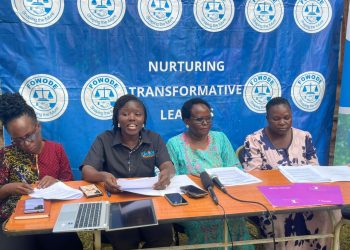



Kampala, Uganda – The National Economic Empowerment Dialogue (NEED) has this afternoon petitioned the Electoral Commission (EC) of Uganda, demanding a review of the presidential nomination process, which it claims was compromised by interference from security forces.
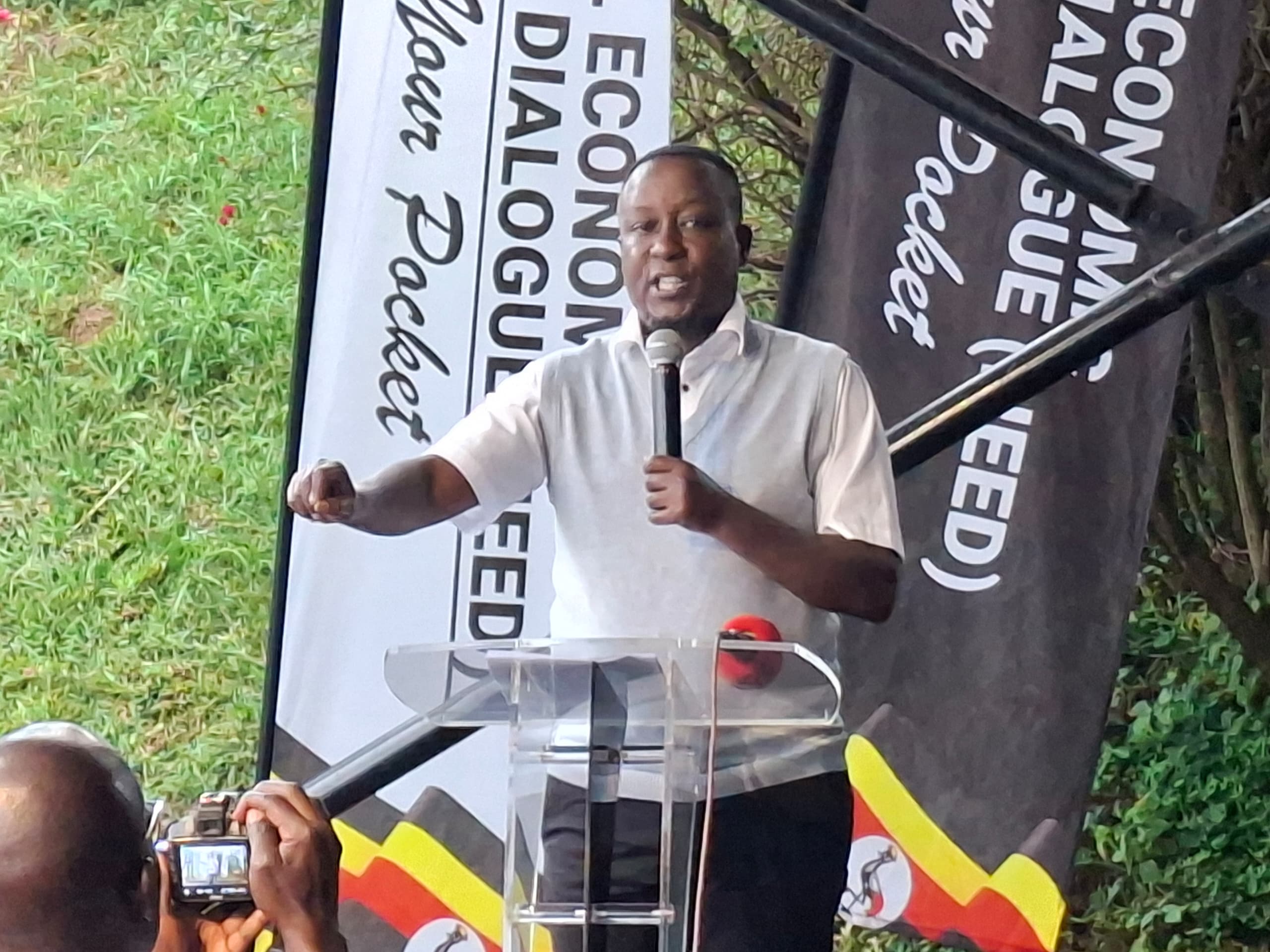
Addressing journalists in Kampala, the NEED party president Joseph Kabuleta Kiiza accused the EC of surrendering its constitutional mandate to the Special Forces Command (SFC), resulting in what he described as a “shambolic” and “untransparent” signature verification process that barred him from nomination as a presidential candidate.
According to Kabuleta, despite submitting the required number of signatures from over 100 districts, the EC rejected his nomination on grounds that he had not met the threshold claims he dismisses as baseless.
 “We submitted 150 signatures in 14 separate districts, and they claimed that zero were valid in all of them. That’s statistically impossible,” Kabuleta stated. “Their excuse was that all the signatories had already endorsed other candidates.”
He further alleged that the signature verification process was carried out in a secure room controlled by security agencies, with no transparency or involvement from EC officials or party agents unlike previous elections where candidates or their representatives were allowed to witness the process.
“The EC has effectively ceded its authority to security organs. This is not just electoral mismanagement; it’s a deliberate scheme to control who gets on the ballot,” Kabuleta stated.
NEED is now demanding the following:
- A review and audit of the entire nomination process.
- A transparent re-verification of submitted signatures.
- Extension of the nomination deadline to allow for fair participation.
- Immediate clearance and certification of Kabuleta as a presidential aspirant.
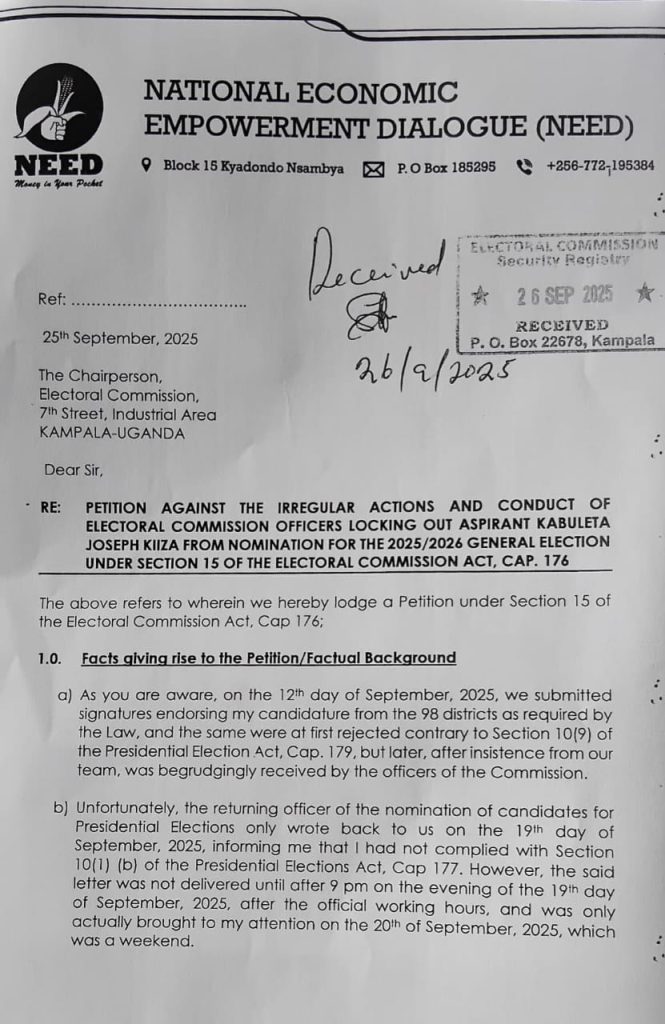
Kabuleta revealed that the party has already prepared a formal petition and will take the matter to court if the Electoral Commission fails to act by Monday next week.
He also cited inconsistencies in how different candidates were treated, claiming that while some were still collecting signatures on the final nomination day, they were cleared, yet he, who had submitted his documents earlier was only informed of a nine-signature shortfall after office closure on the last day.
“The final report was handed to me at 5:30 PM when the EC had already closed. That made it impossible for me to respond. It was all a strategy to run out the clock,” he said.
Kabuleta emphasized that the issue goes beyond his individual case and reflects broader systemic injustices in Uganda’s electoral process.
“There are dozens of other candidates who were blocked in similar ways, some fell short by one signature and were denied the chance to amend. This isn’t about legality. It’s about exclusion.”
He concluded with a warning that NEED will not back down from the fight for electoral justice.
“We are not going to lay down our tools and let impunity prevail. This is just the beginning. We will challenge this process with everything we’ve got.”