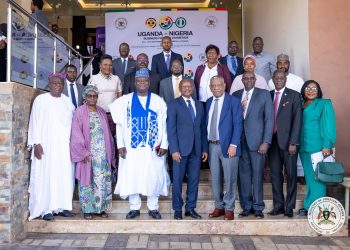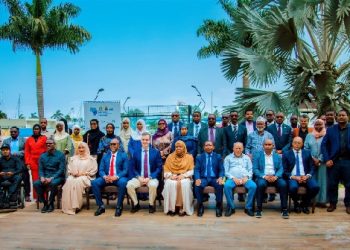



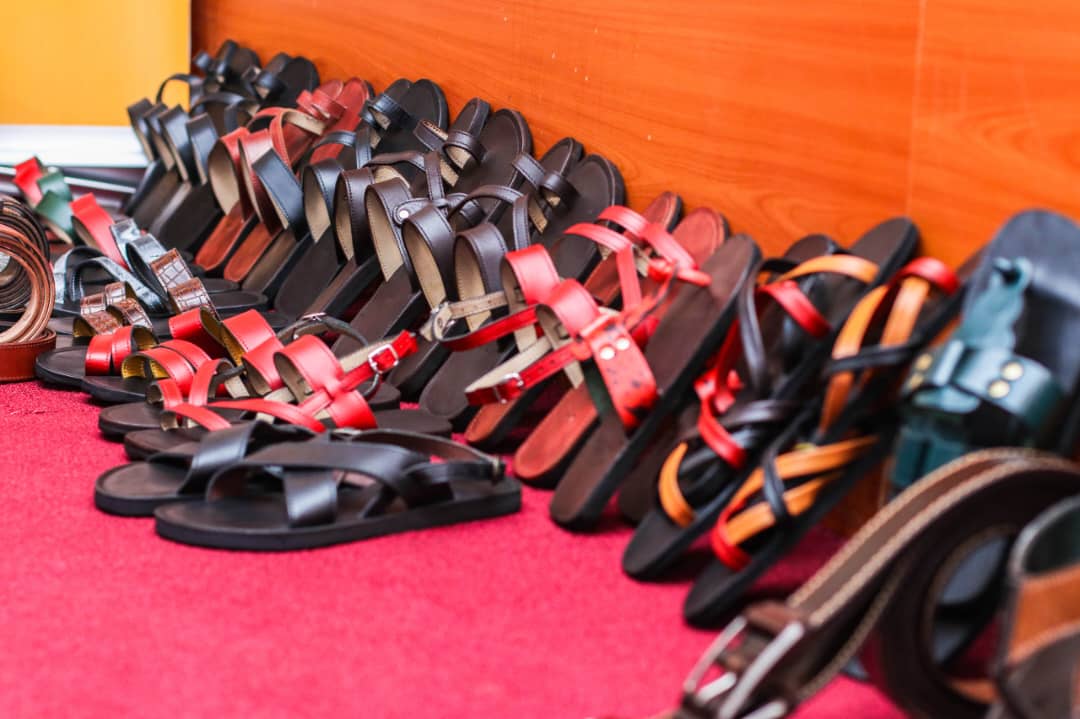
KAMPALA, Uganda – In a strategic move to unlock the vast potential of Uganda’s leather sector, the Africa Leather and Leather Products Institute (ALLPI), in collaboration with the Ministry of Trade, Industry and Cooperatives, organised a five-day intensive workshop on leather cluster capacity development.
Held at the Eureka Place Hotel in Ntinda, the training equipped leaders of the Kampala Leather Cluster (KLC) with the critical skills needed to transition from operating as isolated artisans to a powerful, unified cooperative capable of penetrating regional and national markets.
The Assistant Commissioner for Marketing and Processing in the Ministry of Trade, Industry and Cooperatives Stephen Mbogo Kirya highlighted the massive and ready market for value-added leather products both locally internationally.
 He pointed not only to domestic demand but also to the immense regional potential within the East African Community (EAC), COMESA, and the African Continental Free Trade Area (AfCFTA)—a combined market of over 1.3 billion people.
“As a country, we need a leather entrepreneurship index to track the value chain growth of the leather sector from the bottom to top,” Kirya stated, emphasizing the need for data-driven development. He also stressed that adherence to quality standards and professional packaging, as non-negotiable foundations for succeeding in these advanced marketplaces.
 Central during the workshop, was addressing the paradox of the leather sector: its high economic value overshadowed by its low profile. Mr. Michael Kiraye, a Capacity Development Expert with ALLPI, presented a striking comparison. “By market value, the leather value chain beats coffee by some margin,” he revealed. “The problem is that leather has been managed largely by SMEs who have little representation on national platforms, unlike coffee, which has a heavy deployment of people with a high level of expertise.”
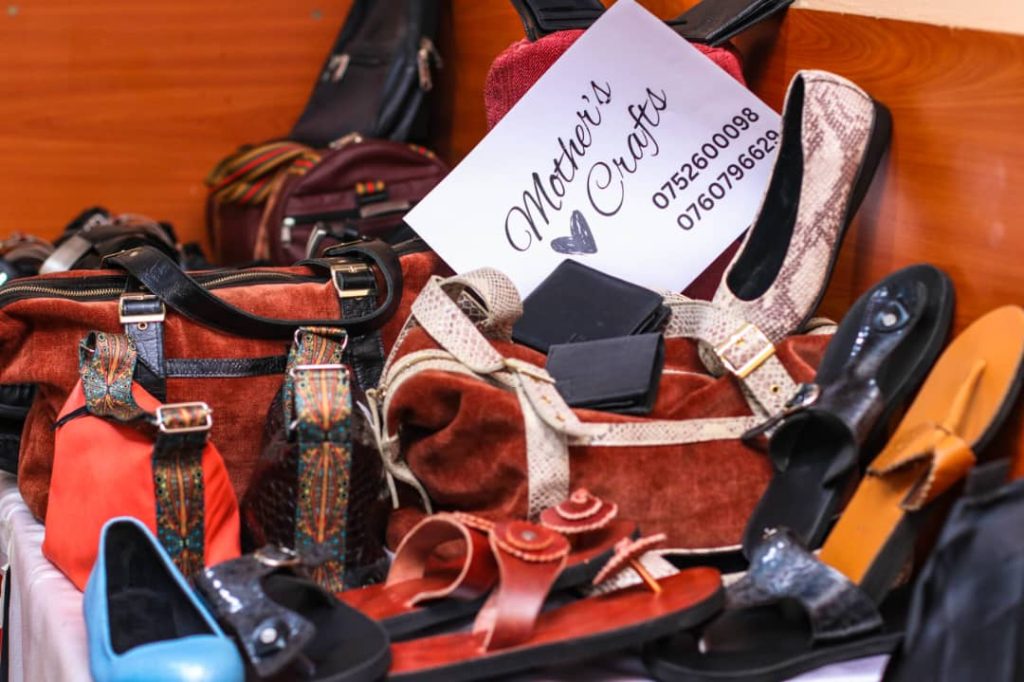
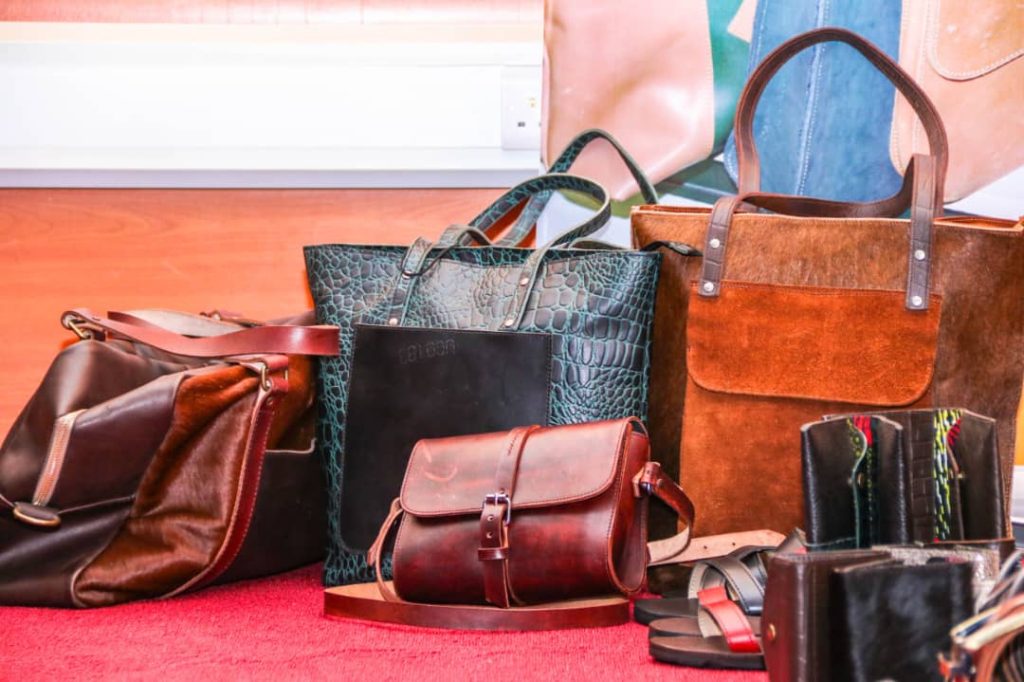 Despite its promise, Uganda’s leather sector remains a paradox of immense potential hindered by systemic challenges. The nation possesses a massive raw material base with over 14 million cattle and 20 million sheep and goats. Yet, this advantage is squandered through a critical lack of value addition. Over 95% of exports are raw or semi-processed “Wet-Blue” leather, leading to an estimated annual loss of $273 million in potential export revenue. This model creates a frustrating cycle: Uganda exports its high-quality semi-processed leather, only for local artisans to then import finished leather from countries like China and Kenya to make products, as the poor-quality hides are often all that remain in the domestic market.
 This failure to capture full value is worsened by underutilized tanneries, operating as low as 20% of capacity, and a yawning footwear demand gap. With local production meeting only about 1 million of the 11 million pairs of shoes demanded annually, the domestic market is flooded with imports. This context makes the mission of the Kampala Leather Cluster not just an entrepreneurial endeavor, but a national imperative to reclaim a lost industry, reduce import dependence, and tap into a revenue stream long waiting to be captured.
This lack of a collective voice has kept the sector’s achievements hidden. Mr. Kassim Semanda, an Officer in charge of Processing, Research, Innovation and Technology at the Ministry of Trade, provided crucial data to support this narrative, revealing, “According to our database, we have over 500 SMEs producing leather goods in Uganda, and 98% of the leather goods made in the country are by these SMEs. They are manufacturing, not just repairing, but are operating in islands”
The workshop’s solution-focused training aimed to transform this fragmentation into strength. Participants were drilled on the mechanics of collaboration: bulk purchasing of raw materials, collective marketing, and establishing unified quality control.
“The training has equipped the leadership with the basic skills on what they can do in the near and long-term to ensure this cluster develops further,” explained Semanda. “They are now able to produce as a team, manage quality as a team, and market as a team.”
 This collective approach is already being channelled towards a tangible first goal: capturing Uganda’s school shoe market. The cluster is piloting an initiative to supply 24,000 pairs of shoes to a single large school, with the vision of scaling up to meet the estimated national demand of over 20 million pairs.
“The machines we have at Kawumu Tannery, a government facility in Luwero among others, can produce over and above 24,000 pairs required for the pilot within two months,” noted Kiraye, underscoring the existing capacity. The cluster model ensures that such large orders can be fulfilled reliably, a task impossible for individual artisans.
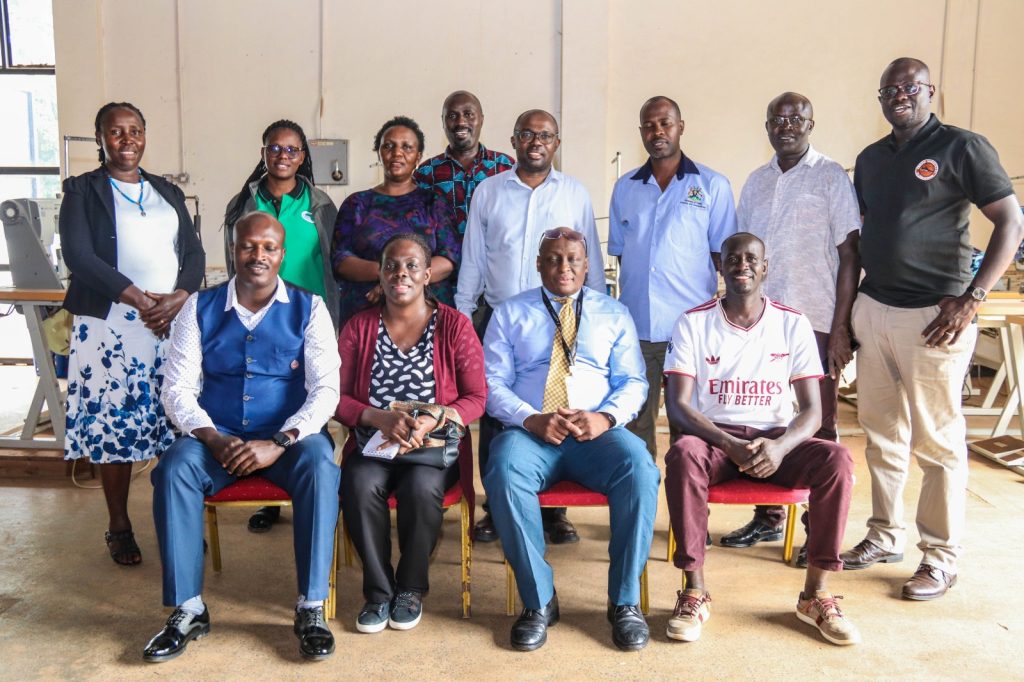
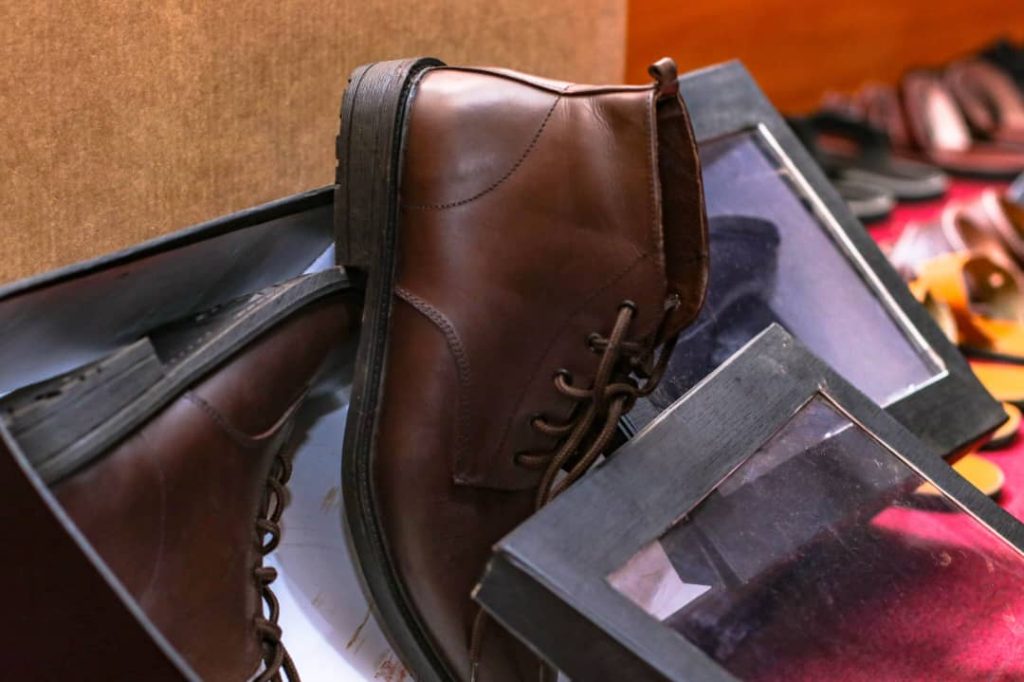 For the artisans themselves, the training was a paradigm shift. Nankunda Owen Jared, Chairperson of the Kampala Leather Cluster Cooperative (KLC), articulated the new mindset: “We have had the challenges of working as individuals. But if we work together as clusters, we can access finance, improve our bargaining power, and lower our cost of production.” He issued a rallying call to fellow artisans across the country to join the cooperative movement, emphasizing that only through unity can they secure large contracts and build a resilient industry.
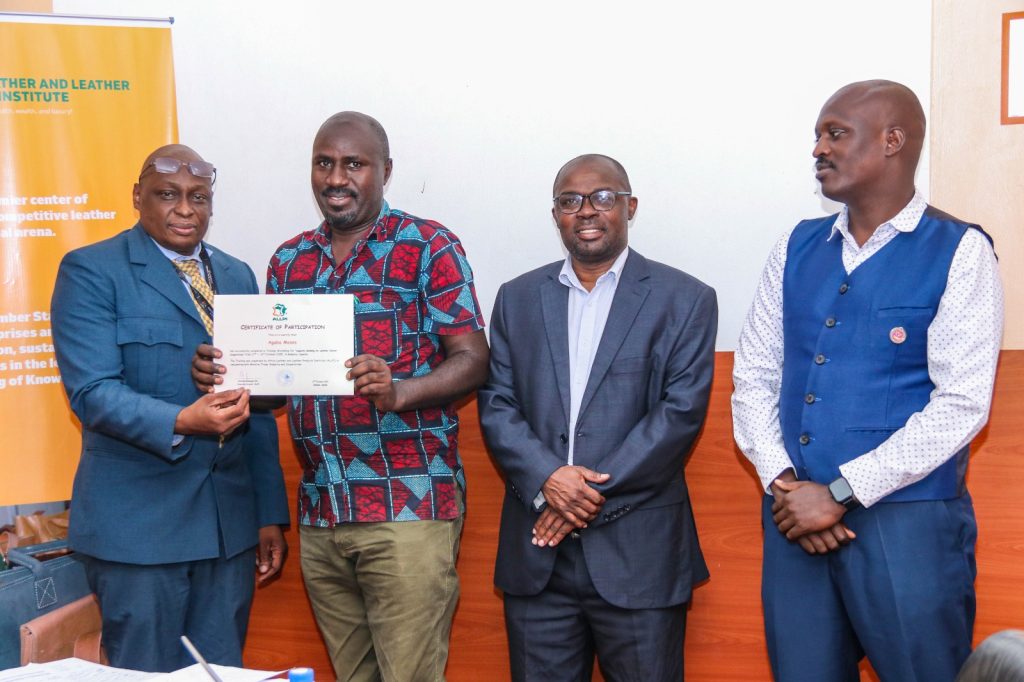
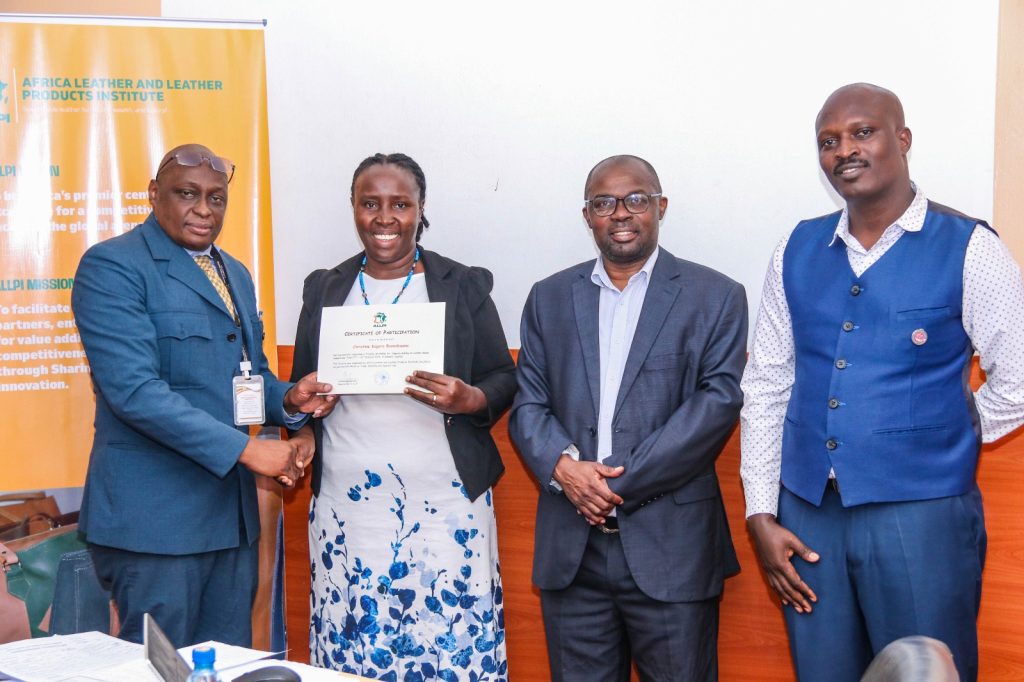
The workshop climaxed with the awarding of certificates to participants, formally recognizing their new competencies. And thereafter, a practical visit to the incubation centre at MTAC, Nakawa, offering leaders a firsthand look at a dedicated facility for training and value addition in leather production.