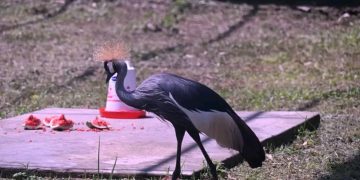



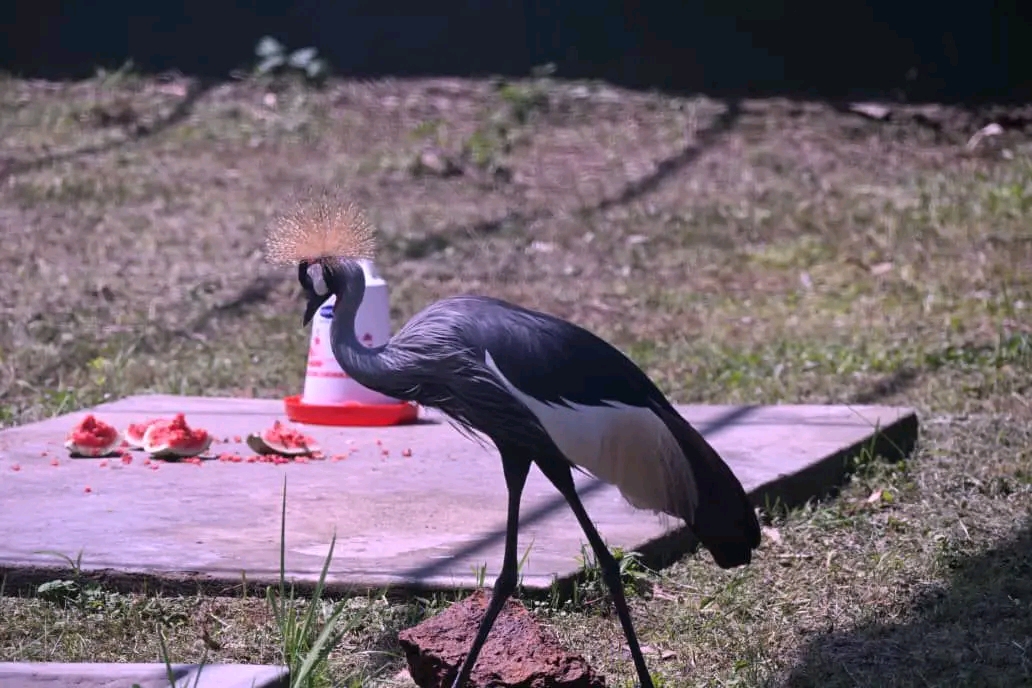
The Uganda Wildlife Authority (UWA) has successfully established Uganda’s first satellite regional zoo in Mbale, bringing wildlife conservation and education closer to communities in Eastern Uganda.
Presiding over the function in Mbale City, vice president Jessica Alupo emphasized that the opening of the centre, is a testament of Government’s commitment to bring services closer to the people and ensuring that all Ugandans have the opportunity to appreciate, understand, and participate in the conservation of our natural heritage.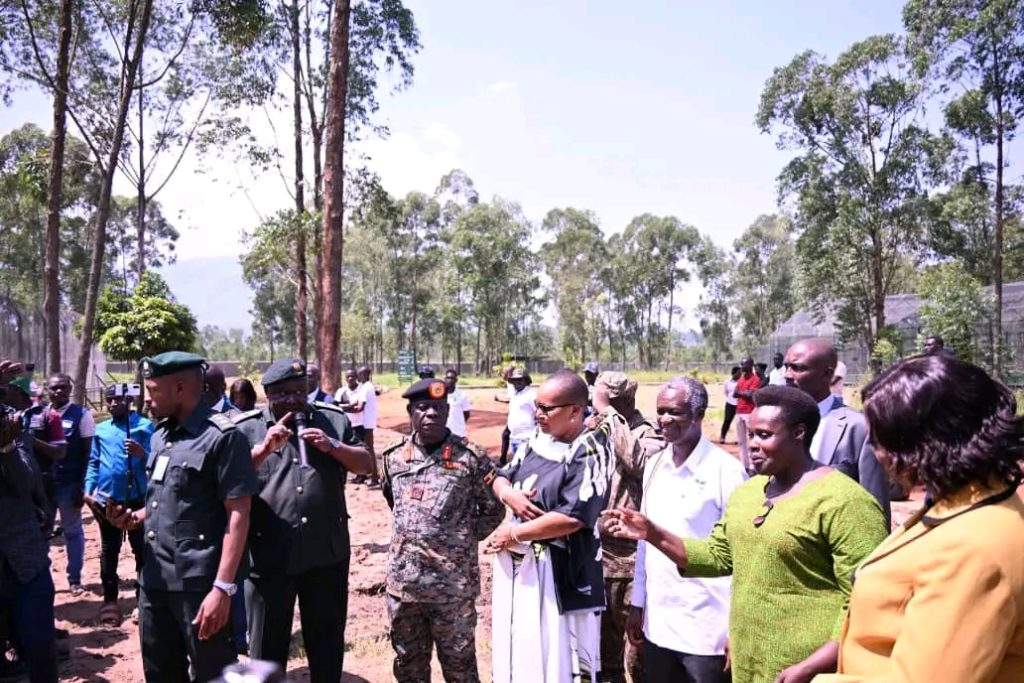 “For many years, wildlife conservation education has largely been centred in Entebbe. While this has contributed significantly to public awareness and conservation learning, distance and cost have limited access for many Ugandans, particularly school-going children and communities in other regions of the country,” Alupo said
She toured the exhibitions, commissioned the administration block, and emphasized the government’s strategy to decentralize conservation education and bring wildlife experiences closer to local communities
She stressed that the establishment of this centre therefore represented a deliberate effort to decentralize conservation education and make it more accessible to the people of Eastern Uganda and neighbouring regions.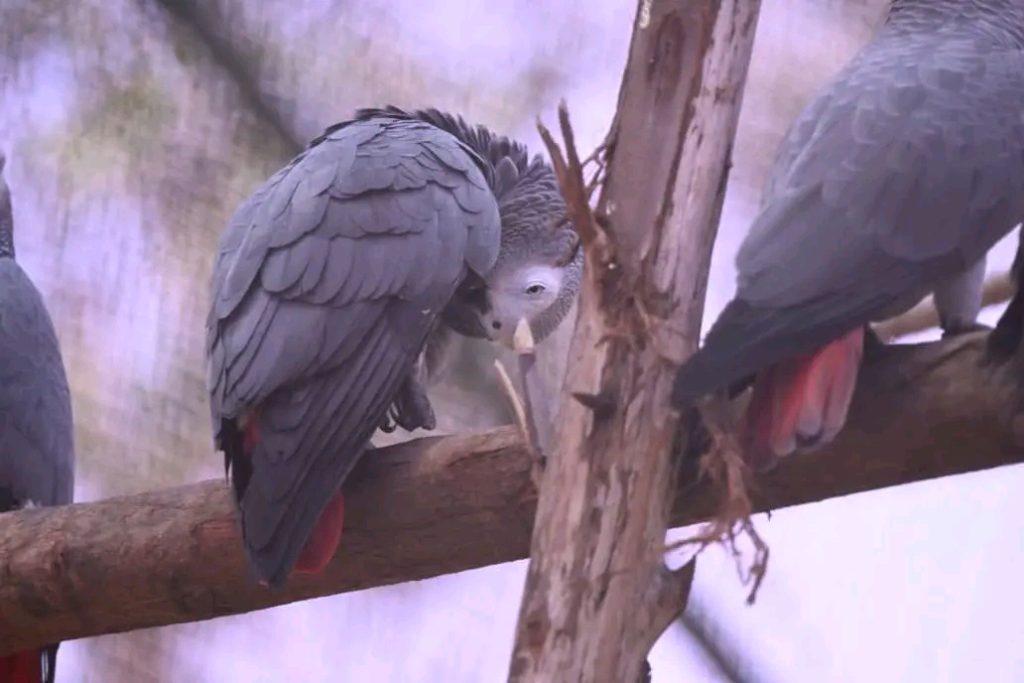 The vice president said Uganda’s wildlife and natural ecosystems form the backbone of our tourism industry, supporting thousands of jobs, generating foreign exchange earnings, and contributing significantly to local and national development.
“As Government pursues the Ten-Fold Growth Strategy aimed at expanding Uganda’s economy, tourism has been identified as one of the priority sectors capable of accelerating economic growth, creating employment opportunities, attracting investment, and increasing foreign exchange earnings,” Alupo said.
She however added that the continued growth of tourism depends on our ability to protect and sustainably manage the wildlife and ecosystems that make Uganda a unique destination.
“This is where facilities such as the Mbale Wildlife Conservation Education Centre become important by helping to cultivate an informed and responsible citizenry that understands the value of conservation and its contribution to national development,” she said.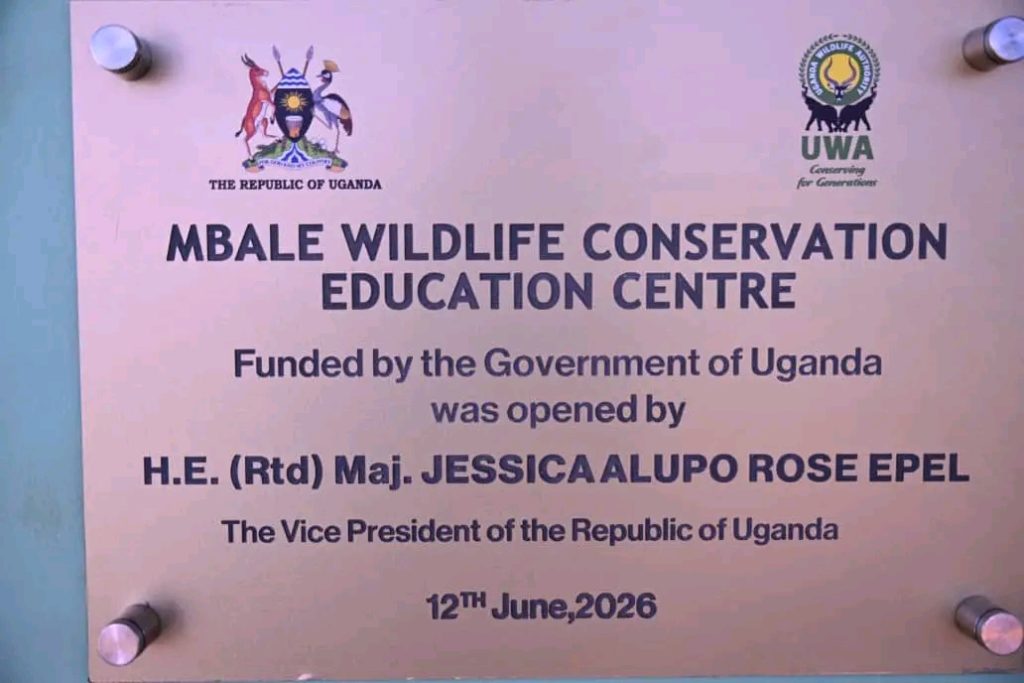 The significance of the centre also extends beyond conservation education as it will strengthen efforts to promote domestic tourism, diversify tourism products in Eastern Uganda, support environmental stewardship, and create opportunities for communities to participate more meaningfully in the tourism economy.
Delivering greetings from president Yoweri Kaguta Museveni and the First Lady Hon. Janet Museveni, the vice president was particularly pleased that this facility has been established in Eastern Uganda, a region endowed with remarkable tourism attractions, rich cultural heritage, and vibrant communities.
“Together with attractions such as Mount Elgon National Park, this centre will enrich the region’s tourism offering and contribute to increased visitor numbers, longer visitor stays, and greater economic benefits for local communities,” Alupo said.
She reiterated the Government’s commitment to ensuring that tourism growth translates into tangible benefits for the people.
She stressed that facilities such as this one create employment opportunities, stimulate demand for local goods and services, and contribute to the development of enterprises that support tourism and conservation.
Alupo commended Uganda Wildlife Authority for the progress it continues to make in wildlife conservation, community engagement, tourism development, and conservation education.
“The successful establishment of this centre demonstrates the institution’s commitment to expanding conservation education services and strengthening public participation in conservation,” the vice president said.
She further commended the Ministry of Tourism, Wildlife and Antiquities, local leaders, development partners, and the people of Eastern Uganda whose support has contributed to the realization of this important project.
Alupo told the conservationists that the future of wildlife conservation will depend not only on what happens within our protected areas but also on the extent to which citizens understand, appreciate, and support conservation efforts.
She however noted that building that understanding requires continuous investment in education, awareness, and public engagement.
“This centre provides an important platform for achieving those objectives. It will inspire young people, strengthen community appreciation of wildlife, and contribute to the long-term sustainability of Uganda’s tourism and conservation sectors,” Alupo said.
Key dignitaries included: State Minister for Tourism Susan Nakawuki, state minister for Public Service Lydia Wanyoto, Umukuuka of the Bamasaaba Kingdom Jude Mike Mudoma, and Uganda Wildlife Authority (UWA) officials.