


Buhuka, Kikuube District —The Kingfisher Oil Project, run by China National Offshore Oil Company (CNOOC), is making good progress in Uganda’s oil industry. So far, 15 out of 31 planned wells have been drilled as the country gets closer to producing its first oil. At the same time, the project is helping local farmers improve their farming through a special program.
Drilling Progress Signals Uganda’s Oil Era Nearing
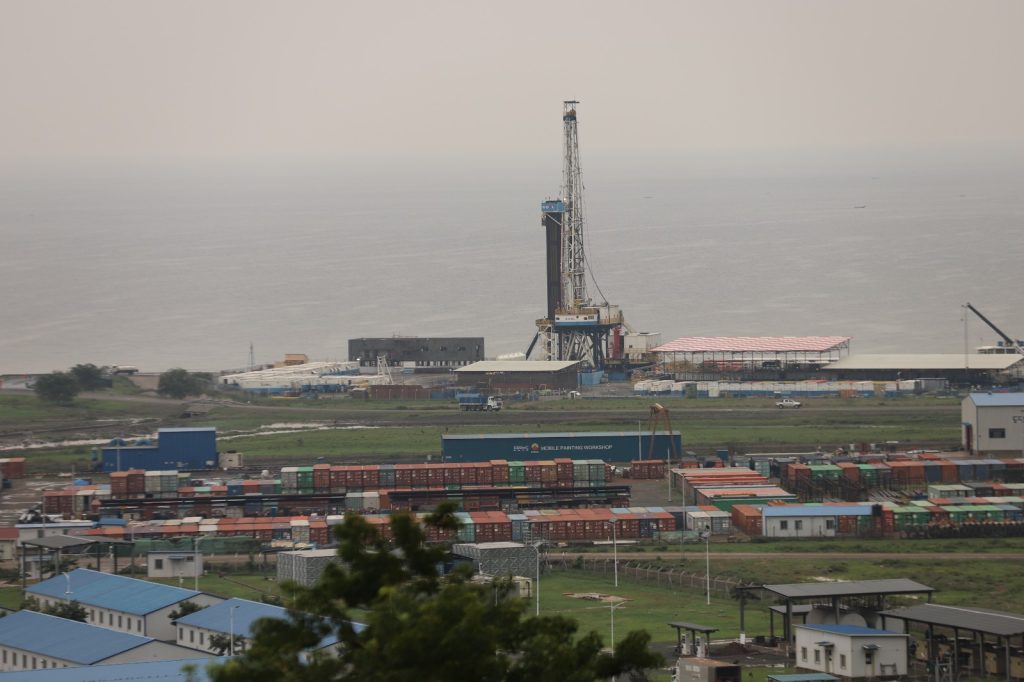
Dennis Mulondo, a geologist with CNOOC Uganda Limited, confirmed that drilling operations at Kingfisher are on track. “We have drilled 15 wells out of the 31 planned on four pads, including 20 production wells and 11 water injectors. These injectors enhance oil recovery by pushing oil towards the producing wells,” he explained.
The project’s infrastructure also includes a central processing facility (CPF) that separates crude oil from sand, water, and gas before pumping it via an eight-kilometer pipeline to the Kabale hub. However, full-scale production remains contingent on the completion of critical export and refining infrastructure, including the East African Crude Oil Pipeline (EACOP) and the national refinery.
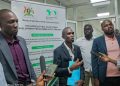
Ernest Rubondo, Executive Director of the Petroleum Authority of Uganda, praised the cooperation between CNOOC and local communities, while cautioning against misinformation from certain civil society groups. “The community has been very supportive, and the company is progressing well towards the production goal,” Rubondo said.
Livelihood Restoration: Beyond Oil, Supporting Agriculture
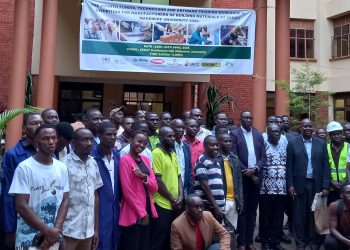
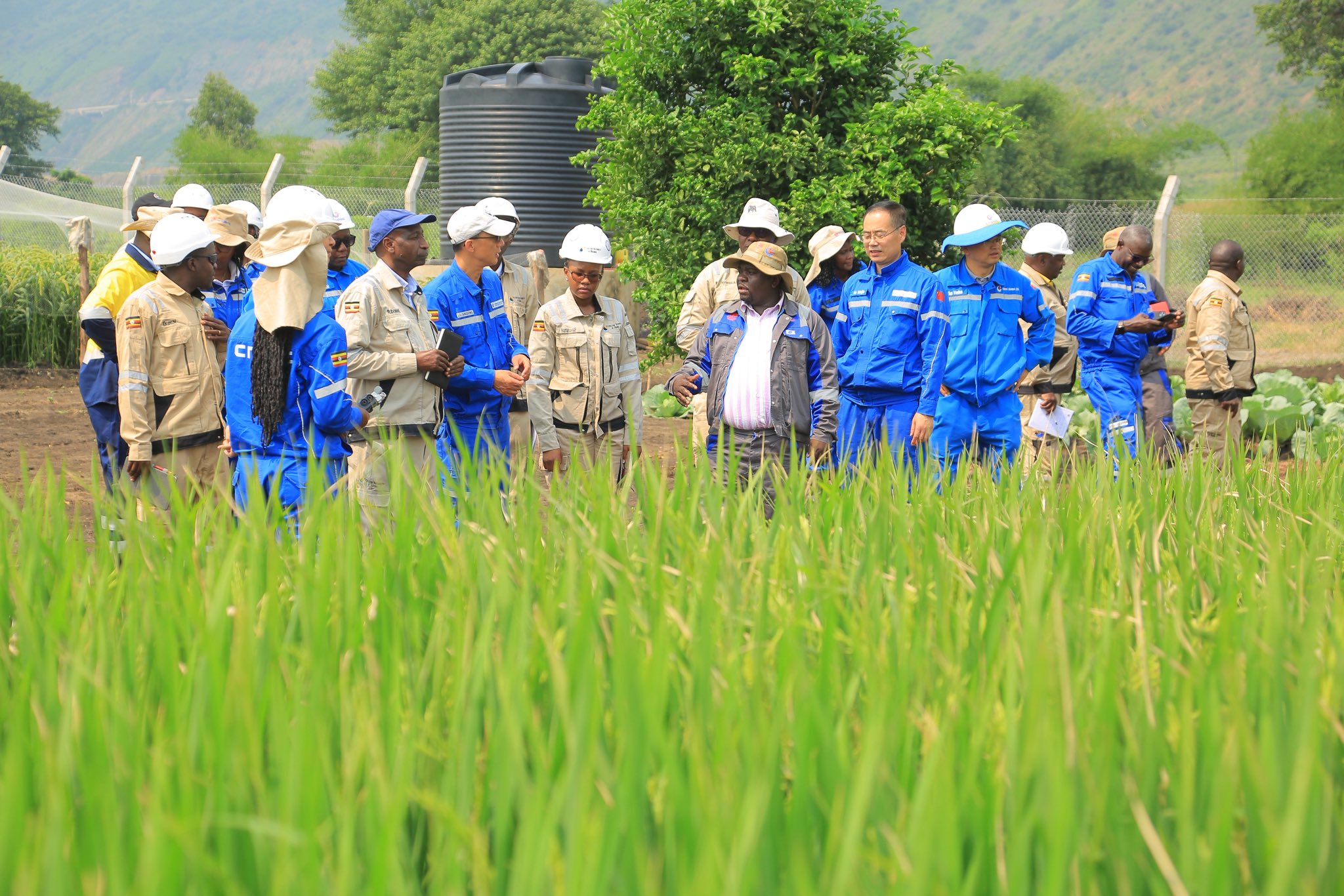
While the Kingfisher project advances in oil production, its community engagement efforts are equally robust. Bagonza Nicholas, the group agriculture expert spearheading the project’s innovative livelihood restoration program, highlighted the demonstration farm initiatives that run in the area.
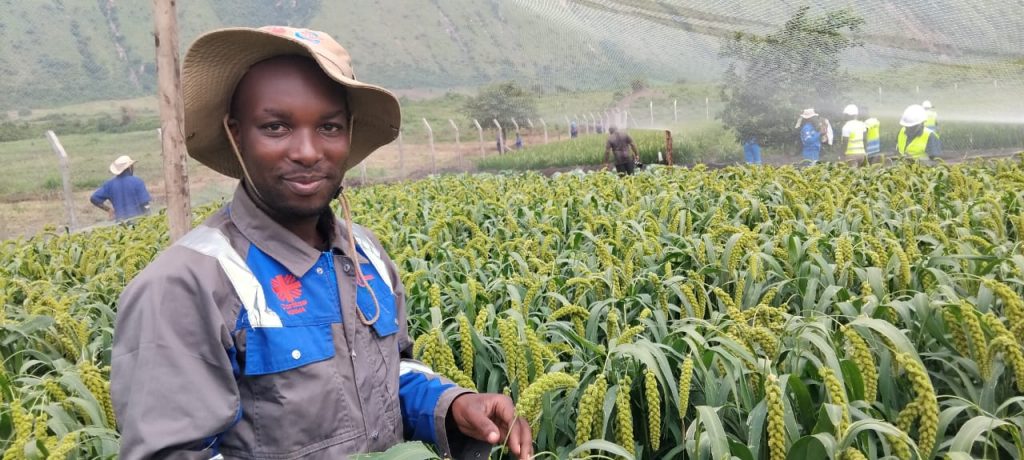
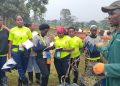
“We aim to showcase best farming practices through our live demonstration farm where farmers learn to grow high-yield crops such as rice and millet using improved methods like transplanting and direct planting,” Nicholas said.
The farm promotes drought-resistant rice varieties, such as WDR 73, and high-yield foxtail millet, which is particularly nutritious and beneficial for people with diabetes and digestive issues. Farmers also learn vegetable cultivation, with crops including chili, cabbage, and watermelon, to diversify income sources and improve food security.
Farmer Groups and Capacity Building
The project has established 14 farmer groups, each consisting of 20 to 30 members, to facilitate knowledge sharing and community participation.
Model farmers within each group receive additional support, including irrigation kits and post-harvest handling technologies, empowering them to become local leaders and champions of sustainable agriculture.
Nicholas elaborated, “We provide quality seeds, fertilizers, and training to farmers so that they can replicate these techniques on their own farms. This approach ensures that the knowledge spreads beyond the demonstration farm and uplifts the entire community.”
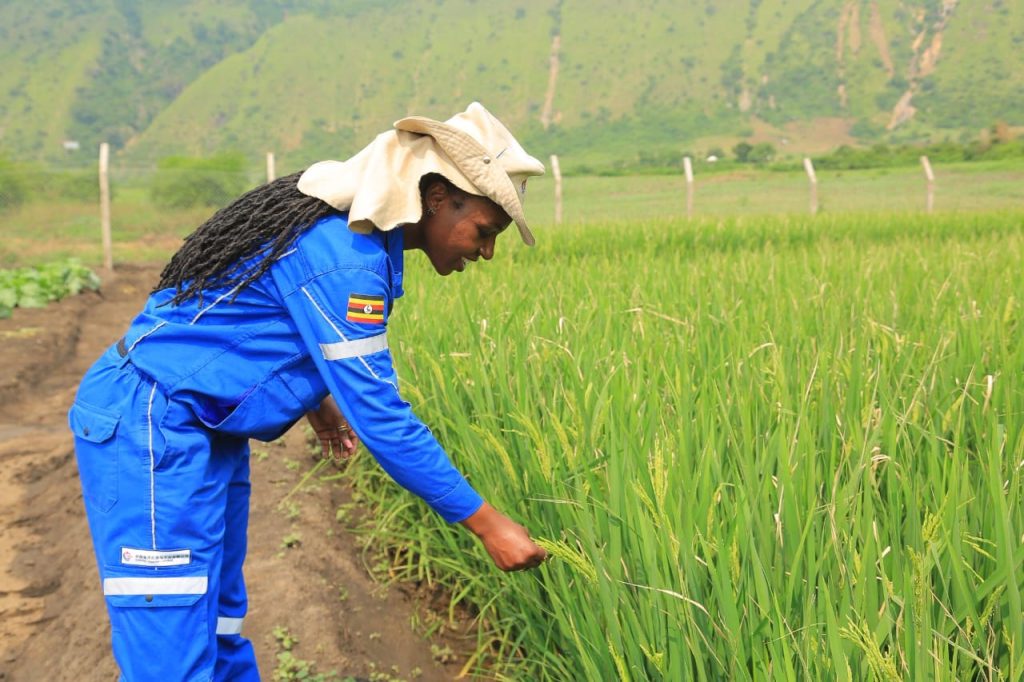
Joyce Kwagala, land acquisition supervisor at CNOOC, emphasized the dual focus on both crop and livestock farming. “Besides rice and millet, we are promoting piggery farming and vegetable growing to diversify income and improve nutrition for communities impacted by the project,” she said.
The number of people we are focusing on are the beneficiaries affected by the project, also referred to as project-affected persons .They are approximately 788. In addition to these individuals, the project is also open to other members of the community. It is being implemented by our contractor, Caritas Hoima.
Sustainable Development and Future Outlook
CNOOC’s community programs align with the broader goals of Uganda’s oil development, which aims not only to extract resources but to foster inclusive economic growth. The East African Crude Oil Pipeline project, set to run 1,443 kilometers to Tanzania’s coast, is being constructed with green energy solutions and ongoing community engagement