


KAMPALA, Uganda — Makerere University and ADRA Uganda have unveiled findings from the two-year Refugee Engagement and Livelihood (REAL) project, highlighting major improvements in food security and resilience among refugees and host communities in Kyaka II and Rwamwanja settlements.
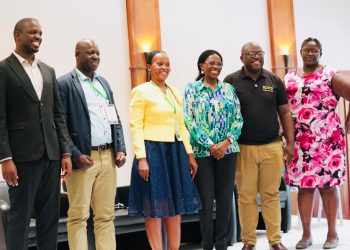
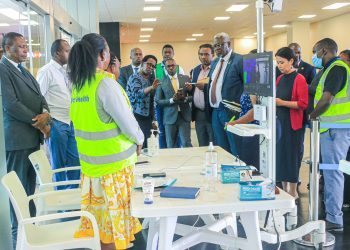
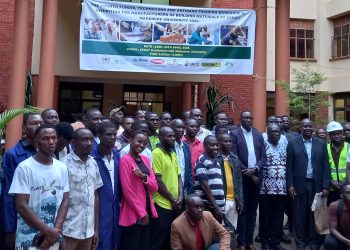
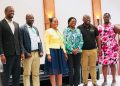
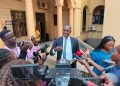
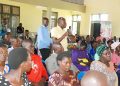
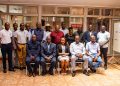
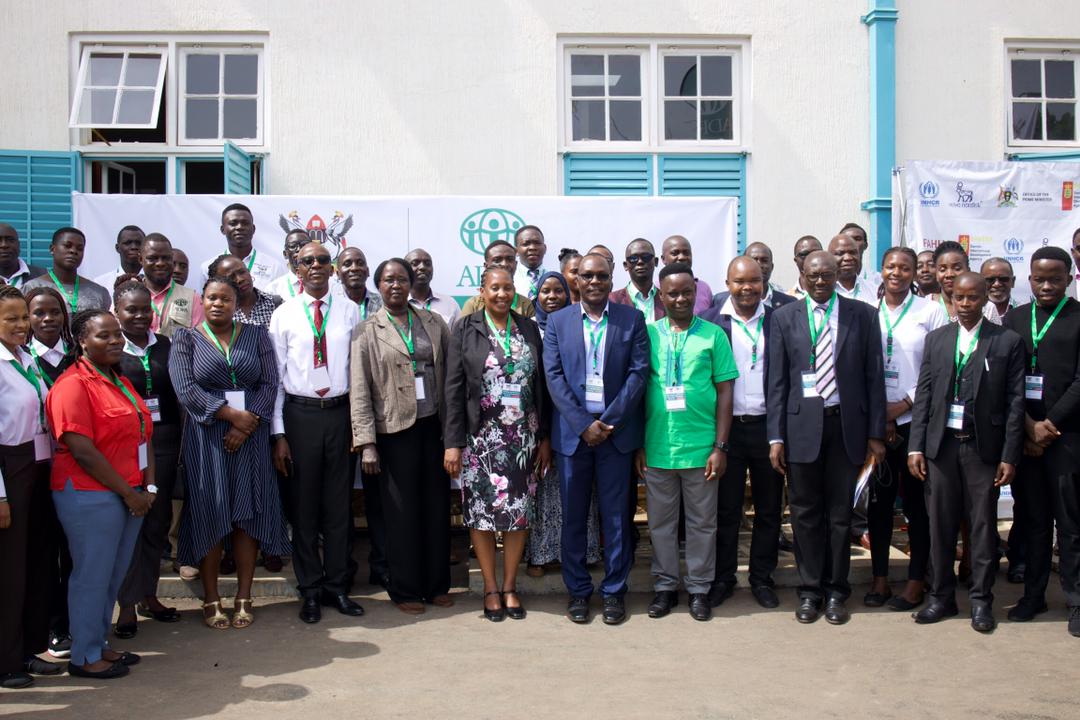
The dissemination event, held at Makerere University’s College of Agricultural and Environmental Sciences, brought together researchers, development partners, and community beneficiaries to reflect on lessons and successes from the initiative.
Backed by DANIDA, the Ministry of Foreign Affairs of Denmark, Novo Nordisk Foundation, FAHU Foundation, Justesen Foundation, and ADRA International, the project registered striking outcomes, including an 80% rise in Village Savings and Loan Association (VSLA) savings and a 30% increase in loan portfolios.
For many refugees, the impact has been transformative. Anyesi Nyirasabimana, a 52-year-old refugee from Rwanda, said her community now enjoys more nutritious meals thanks to improved vegetable gardens and goat milk production. “Mothers struggling with breast milk now benefit from goat milk produced through the project. Vegetable gardens have helped families cook balanced meals and improve children’s nutrition,” she shared.
Research teams from Makerere University presented studies showing that combining VSLAs, Farmer Managed Natural Regeneration (FMS), and Climate-Smart Agriculture (CSA) yields stronger livelihood outcomes than implementing them separately.
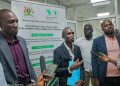
“The combined implementation of VSLA, FMS, and CSA has a positive effect on household food security and asset accumulation,” said Tabitha Nyasyogo, a research assistant at Makerere University.
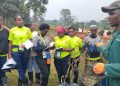
The project also advanced climate-smart agriculture techniques, enabling farmers to boost production through sustainable methods. Dr. RCO Okello, Research Coordinator, emphasized the need to scale up environmentally friendly farming. “We are getting more yields due to the environment, and we need to think of improving soil nutrition through organic methods, irrigation, and other techniques,” he noted.
ADRA Uganda Programs Manager George Williams Kiberu said the project’s driving goal was strengthening resilience among refugee households. “We wanted to see how refugees can survive and thrive, and this research has shown us the way forward,” he said.
Officials from the Office of the Prime Minister, Ministry of Agriculture, and several development agencies attended the event, signaling strong institutional support for future scale-up.
With the REAL project now concluded, Makerere University and ADRA Uganda say they remain committed to expanding these integrated livelihood approaches to ensure long-term food security for refugees and host communities across Uganda.