


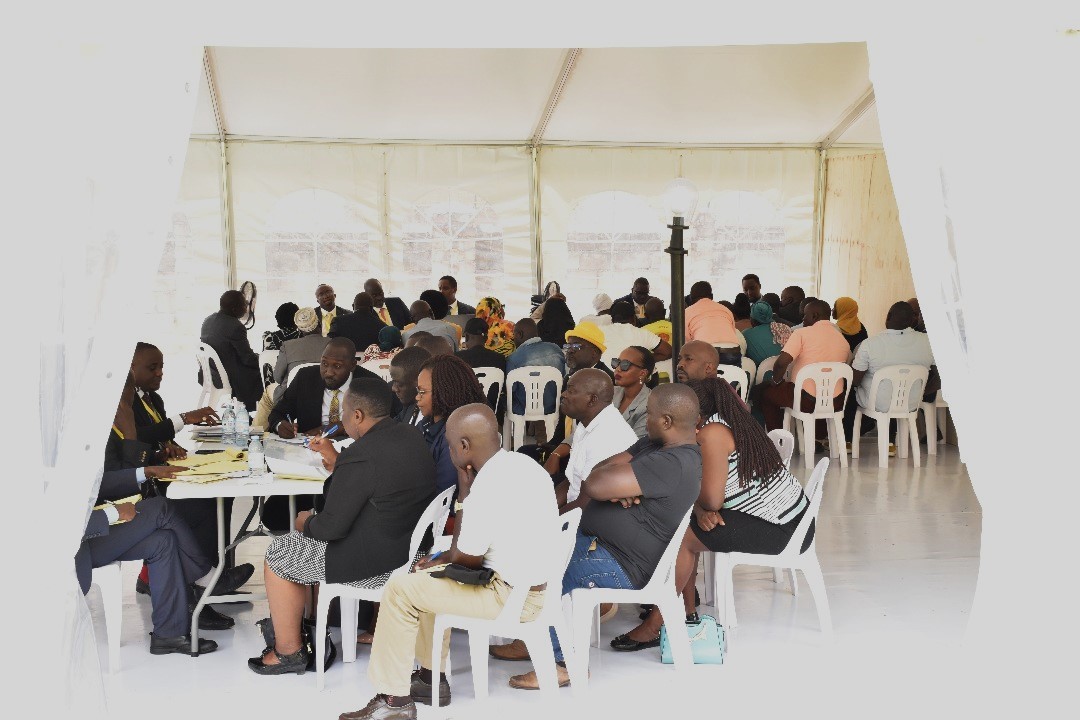
As Uganda’s political temperature continues to rise ahead of the 2026 general elections, the ruling National Resistance Movement (NRM) is working urgently to resolve internal disputes stemming from its recent party primaries.
The NRM’s internal tribunal, tasked with adjudicating complaints from the highly contested parliamentary primaries, has announced that it intends to work until September 1, 2025.
Enoc Barata, the party’s Director of Legal Affairs, confirmed that all parliamentary petition hearings are scheduled to conclude by August 5, after which rulings will begin to roll out to both petitioners and respondents.
According to Barata, verdicts will primarily be delivered through digital platforms such as email and WhatsApp, though printed copies will be available upon request.
“We are ensuring that no one is left behind,” Barata told reporters during a press briefing. “This process is not about harassment; it’s about resolving disputes transparently and maintaining the party’s unity.”
The tribunal, which has been operating since July 28, has been hearing an average of 56 cases daily across eight separate panels, illustrating the sheer volume of dissatisfaction that followed the primaries.
Out of a total of 381 petitions filed, over 250 have already been heard, with many consolidated due to overlapping issues in the same constituencies.
Others were voluntarily withdrawn as candidates sought to preserve internal harmony.
However, not all petitioners followed through. Some candidates failed to appear for their hearings, despite outreach efforts from the tribunal via phone calls and text messages. Barata expressed disappointment over these no-shows but emphasized the party’s commitment to due process.
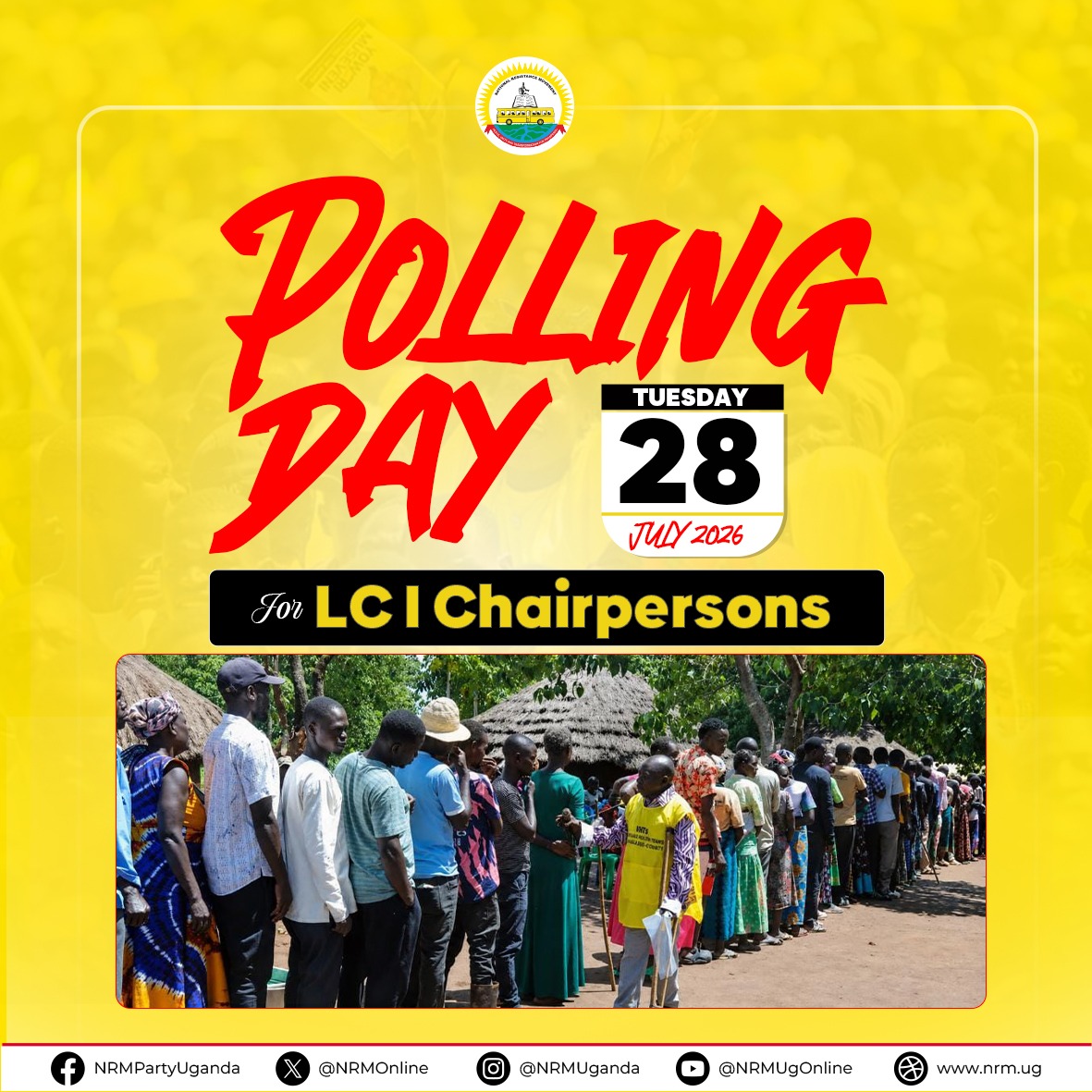
Looking ahead, the tribunal will begin tackling local government election petitions starting August 7, marking the second phase of its conflict-resolution efforts.
The tribunal’s work comes at a critical juncture for the NRM. With allegations of vote rigging, violence, and procedural manipulation surfacing in various regions, including high-profile disputes involving incumbent MPs and even family members, the party has faced unprecedented internal scrutiny.
Political analysts say how the tribunal handles these petitions will be a defining moment for the party’s credibility heading into the general elections.
The NRM has often prided itself on being the most organized political entity in the country, but this year’s primaries exposed significant cracks in that image.
By fast-tracking verdicts and offering alternative ways to access rulings, the party appears to be taking steps to rebuild trust. Still, observers caution that transparency and fairness in the process, not just speed, will ultimately determine whether the tribunal’s work helps mend or deepen internal rifts.
For now, all eyes remain on the tribunal, with petitioners and supporters alike awaiting decisions that could reshape local political dynamics, and possibly influence national ones.