


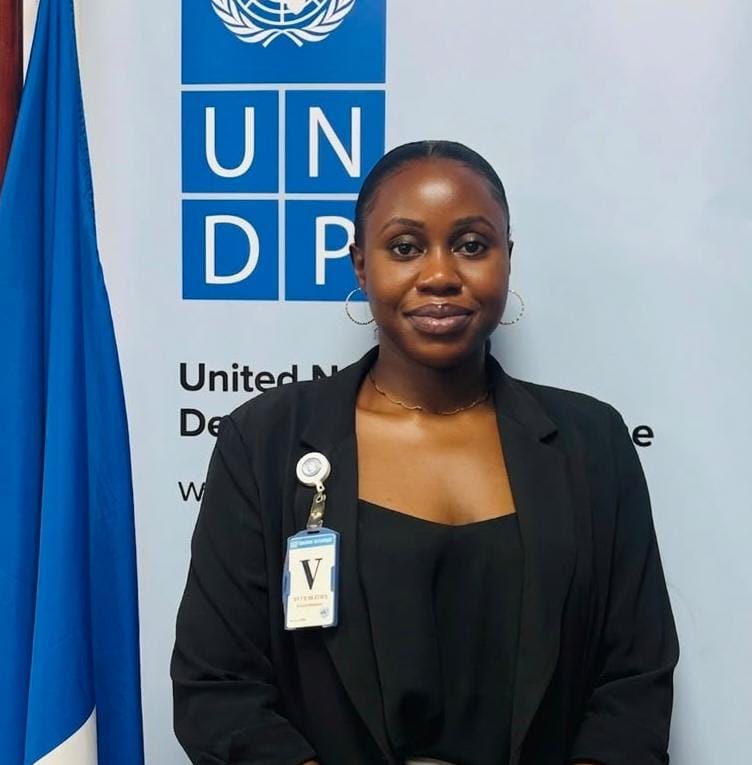
By Kabakama Dorah Daphine a Young Climate and Environmental Advocate
Climate change is no longer a distant threat that belongs to future generations. It is already affecting our communities through unpredictable weather, flooding, prolonged droughts, rising temperatures and the destruction of natural ecosystems. As young people, we cannot remain silent while the environment around us continues to deteriorate.
One of the most visible environmental challenges in our urban areas is poor waste management. Streets, drainage channels, markets and open spaces are increasingly becoming dumping grounds for plastics, food waste and other forms of rubbish. When waste is poorly managed, it blocks drainage systems, contributes to flooding, pollutes water sources and creates unhealthy conditions for communities.
The problem, however, is not simply that people produce too much waste. The bigger challenge is how we manage what we produce.
We need to change the way we think about waste. Waste should not automatically be viewed as something useless that must be thrown away. Much of what we discard can be reused, recycled, composted or converted into useful products. Plastic bottles, paper, metals and other recyclable materials can provide opportunities for young people and communities to create businesses while protecting the environment.
Governments and urban authorities must strengthen waste collection and disposal systems. Cities need reliable waste collection services, properly managed disposal facilities and more public bins in busy areas. Waste management should also be integrated into urban planning instead of being treated as an afterthought.
But government alone cannot solve the problem. Citizens have an equally important role to play. Every household, school, business and institution should take responsibility for the waste it generates.
Separating waste at the source—such as keeping plastics, organic waste and other materials apart—can make recycling and proper disposal much easier.
Schools should also become centres of environmental education. Young people need to learn from an early age that protecting the environment is not only the responsibility of environmental organisations or government officials.
Simple actions such as avoiding unnecessary plastics, planting trees, keeping communities clean and properly disposing of waste can make a significant difference when millions of people adopt them.
There is also a great opportunity for young people to turn environmental challenges into solutions. Youth-led enterprises can focus on recycling, composting, waste collection, environmental education and the production of useful items from discarded materials. With access to skills, financing and supportive policies, young people can become environmental entrepreneurs while creating employment opportunities for their communities.
Businesses must also be part of the solution. Companies that produce packaged goods should take greater responsibility for the waste their products generate.
They can invest in recycling programmes, reduce unnecessary packaging and support systems that encourage consumers to return or properly dispose of used packaging.
Urban communities should further embrace regular clean-up campaigns, but these should not be treated as a substitute for permanent waste management systems. Clean-ups are important for mobilising communities, but we need long-term systems that prevent waste from accumulating in the first place.
As a young person, I believe environmental protection begins with recognising that our daily choices matter. The bottle we throw on the street, the plastic bag we leave in a drainage channel and the food waste we fail to manage may appear insignificant. But when millions of people make similar choices every day, the consequences become enormous.
At the same time, millions of responsible choices can create an equally powerful positive impact.
We must therefore move from simply talking about climate change to taking practical action. We need cleaner cities, stronger waste management systems, responsible businesses, environmentally conscious citizens and empowered young people.
The future of our environment should not be left to chance. It should be protected deliberately, beginning with the choices we make today.
Our environment is our home, and protecting it is everyone’s responsibility.