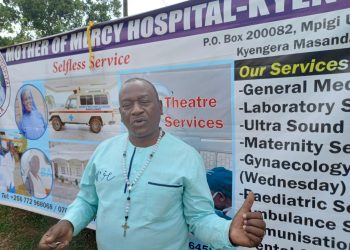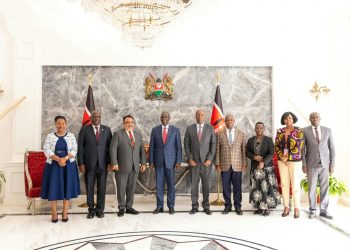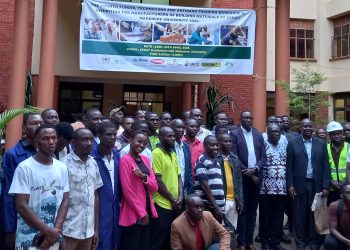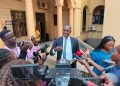



Maganjo, Uganda — The Pearl Foundation, a leading non-governmental organization dedicated to human rights and development initiatives, has unveiled three impactful programs aimed at uplifting vulnerable populations across Uganda. The announcement was made by Innocent Katter, the CEO of Pearl Foundation .
The foundation’s new initiatives target education, environmental conservation, and healthcare—three critical areas that profoundly affect the lives of marginalized Ugandans.
Reverend Professor Emeritus John Rudac Right to Education Sponsorship Program
This flagship program is designed to support over 300 vulnerable children, including orphans and those from single-mother households, by sponsoring their education from primary school through to tertiary institutions. According to Katter, the program has already begun transforming lives, offering children the chance for a brighter future despite their challenging circumstances.
“The education program has given hope to over 300 pupils and students. Many of them are now studying at various levels, from primary to university. This intervention is not just about tuition; it is about securing their futures,” said Katter.
 Saving Lives and the Environment: Life Jackets Made from Plastic Bottles
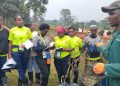
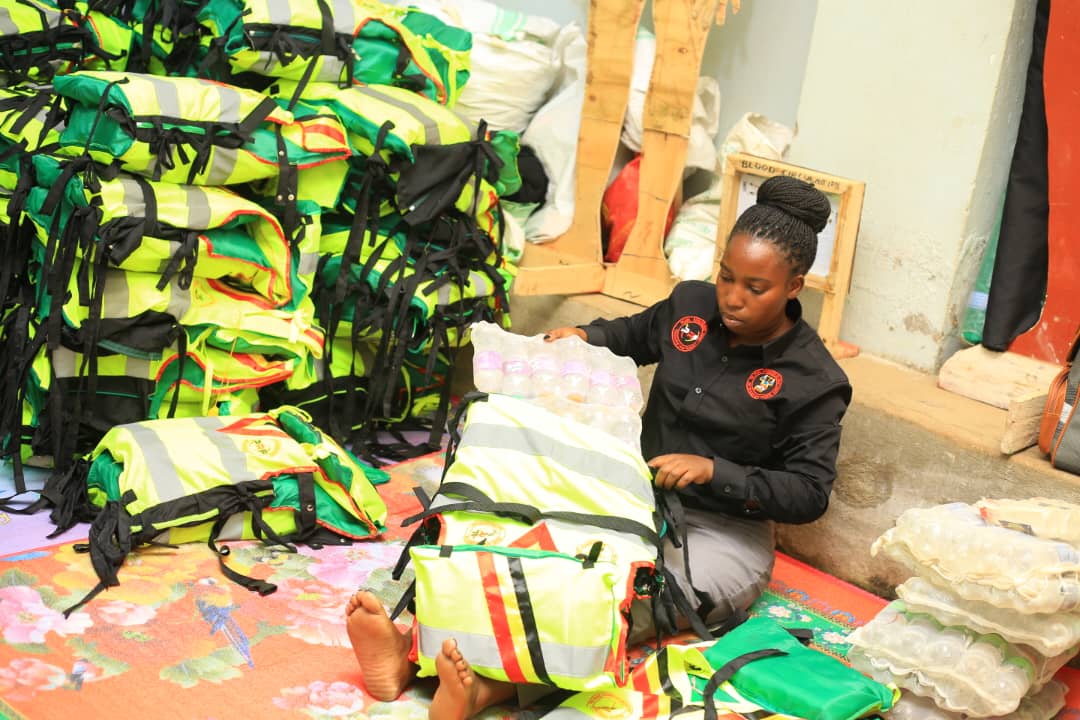
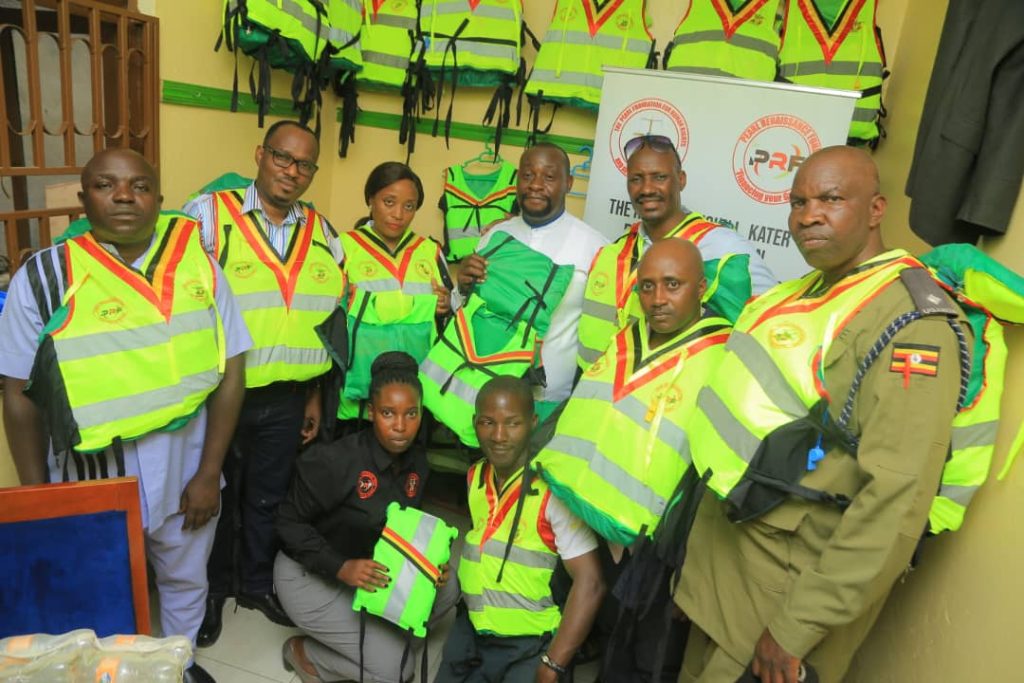
In a creative effort to tackle both environmental degradation and water safety, Pearl Foundation has developed life jackets manufactured from recycled plastic bottles. These jackets are specifically designed for maritime communities living around Uganda’s lakes and rivers—areas where drowning incidents are common and life jackets are often unaffordable.
“These jackets have been tested and are effective in saving lives,” Katter explained. “By producing these from recycled materials, we also contribute to environmental conservation. We have so far made 400 jackets and are awaiting certification from the Uganda National Bureau of Standards (UNBS). We call on UNBS to expedite approval so we can distribute these jackets to vulnerable communities quickly.”
Emergency Fund and Power Beneficiaries Self-Help Group
The foundation’s Medical Emergency Fund provides free medical treatment to beneficiaries, ensuring they can access healthcare despite financial hardships. To sustain this initiative, caregivers contribute a nominal fee of 500 Ugandan shillings weekly. This pooled fund operates like an insurance scheme, offering critical support during medical emergencies.
Additionally, the Power Beneficiaries Self-Help Group encourages beneficiaries and their caregivers to save and access low-interest loans for small business development. Members contribute a weekly savings amount, which is loaned back to them at a 2% interest rate, empowering them to establish sustainable livelihoods.
“The emergency fund helps those who fall ill, and the self-help group ensures that our beneficiaries and caregivers can build resilience through entrepreneurship,” Katter stated.
“The COVID-19 pandemic exposed the fragility of healthcare access in Uganda, with many families unable to afford hospitalization costs. Pearl Foundation stepped in to support these families through its Medical Emergency Fund, assisting numerous individuals who have since recovered and resumed productive lives,” he explained.
Call for Support and Collaboration
Despite these successes, Katter highlighted challenges such as the high cost of raw materials for producing life jackets and mosquito nets. He urged donors and government bodies to increase funding and support, emphasizing that scaling production would reduce costs and benefit more communities.