


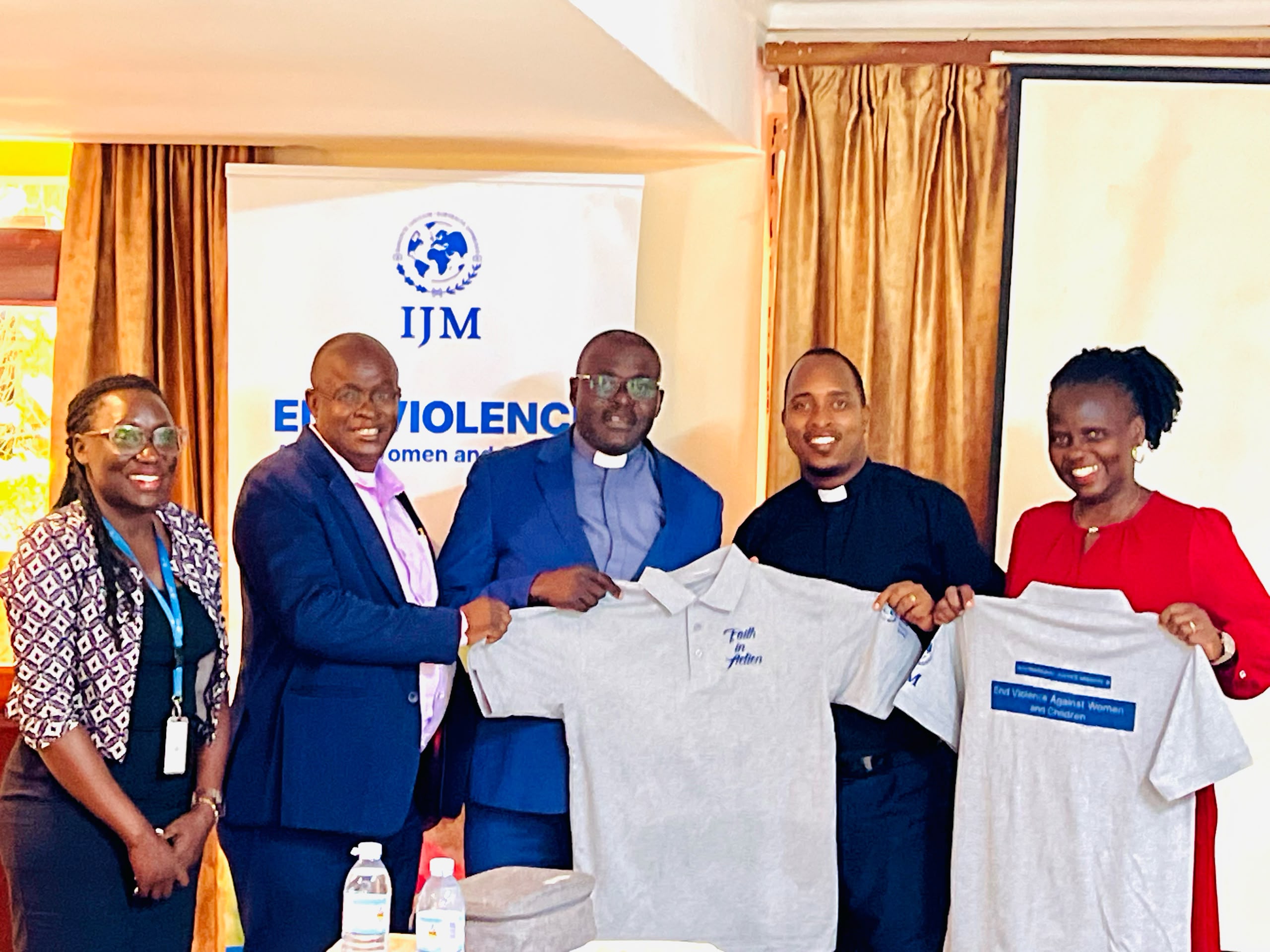
The International Justice Mission (IJM) has convened a high-level dialogue with religious leaders as part of preparations for the commemoration of Freedom Month, a global campaign observed every September and culminating in Freedom Sunday.
The initiative encourages churches worldwide to use their voices to promote justice and advocate for vulnerable populations, particularly women and children affected by violence.
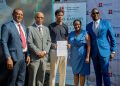
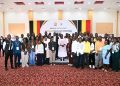
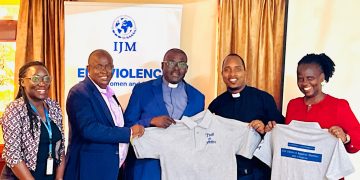
The dialogue was held on June 19, 2026, at Esella Country Hotel in Najjera, Kira Municipality, Wakiso District. More than 30 faith leaders from the Church of Uganda and Born-Again Pentecostal churches attended the meeting alongside officers from the Child and Family Protection Unit of Kira Police Division, media representatives, and other stakeholders.
The workshop aimed to foster open discussions on the impact of violence against women and children, equip faith leaders with skills to effectively respond to cases within their communities, and strengthen faith-based approaches to addressing domestic violence.
Speaking at the event, Rev. Cpl. Bwambale Jackson, the Community Liaison Officer at Kira Police Division and Vicar of St. Paul Church of Uganda, Kagoma-Maganjo Parish under Namirembe Diocese, welcomed the initiative.
“We appreciate IJM for creating a platform that brings together law enforcement officers and faith leaders to engage in meaningful dialogue on issues affecting families and communities. This meeting has enabled us to develop joint strategies on how best to promote violence-free homes through preaching peace and encouraging dialogue,” he said.
Rev. Bwambale added that collaboration between the police and organizations such as IJM is critical in addressing the growing cases of domestic violence in communities.
“As the police, we value such partnerships because they provide opportunities to brainstorm and identify practical mechanisms for preventing violence and protecting vulnerable members of society,” he noted.
The Officer-in-Charge of the Child and Family Protection Unit at Kira Police Division, ASP Stella Uleu, emphasized the influential role of religious leaders in shaping community attitudes and behaviors.
“Faith leaders play a key role in preaching against violence within their congregations. When empowered with messages of reconciliation and peaceful conflict resolution, they can help families appreciate the importance of seeking mediation and arbitration during times of conflict,” she said.
ASP Uleu further observed that collective efforts involving civil society organizations, religious leaders, cultural institutions, and the media can significantly contribute to reducing violence against women and children.
“When all stakeholders speak with one voice against violence, perpetrators are reminded of the rights and dignity of their victims and are encouraged to change their behavior,” she added.
IJM Community Engagement Specialist Eva Leni commended participants for their commitment to protecting women and children from violence.
“We are grateful to all stakeholders who continue to speak out against violence in our communities. IJM remains committed to providing platforms for constructive engagement, ensuring that perpetrators are held accountable through the justice system while survivors receive the psychosocial support they need,” she said.
Leni noted that the workshop also served as an opportunity for faith leaders to begin planning activities for Freedom Month in September.
Understanding Freedom Sunday
Freedom Sunday is celebrated annually in September as part of a global movement led by International Justice Mission. The campaign inspires churches around the world to dedicate at least one service to conversations about justice and God’s concern for the oppressed.
The observance provides an opportunity for church members to learn about the realities of violence against women and children, deepen their understanding of justice, and actively participate in efforts to end abuse and exploitation.
About International Justice Mission
International Justice Mission (IJM) is a global organization that partners with local authorities to protect people living in poverty from violence. The organization operates through 31 program offices across 16 countries, focusing on combating modern slavery, violence against women and children, and abuse of power against vulnerable populations.
In Uganda, IJM concentrates on addressing violence against women and children by rescuing and restoring survivors, holding perpetrators accountable, and strengthening public justice systems.
The organization comprises lawyers, social workers, community activists, and other professionals dedicated to protecting vulnerable communities from violence.
Why Religious Leaders Matter
IJM strategically engages community gatekeepers, including religious leaders, Local Council Court committees, and traditional or cultural authorities, to support survivors of violence against women and children (VAWC).
These leaders are equipped to serve as effective first responders by adopting trauma-informed approaches, understanding referral pathways, and supporting survivors throughout the justice process.
Religion continues to play a significant role in shaping cultural, social, economic, and political norms across many societies. Gender roles and perceptions of women and men are often influenced by interpretations of religious teachings. As trusted voices within communities, religious leaders are uniquely positioned to ensure that faith is used to promote dignity, justice, and protection rather than being manipulated to justify abuse.
In Uganda, where approximately 82 percent of the population identifies as Christian, 14 percent as Muslim, and 4 percent as followers of other faiths, religious leaders remain among the most influential actors in driving social change and advancing efforts to prevent violence against women and children.