


Kampala, Uganda — A five-year initiative aimed at strengthening climate-resilient livelihoods and improving financial inclusion for refugees and host communities has officially come to a close, marking a major milestone for the Raising Gabdho Foundation (RGF) and its partners.
Implemented across all five divisions of Kampala; Kawempe, Makindye, Nakawa, Rubaga and Central, the Rebuild project has transformed the lives of thousands, including more than 1,000 direct beneficiaries who acquired practical, income-generating skills.
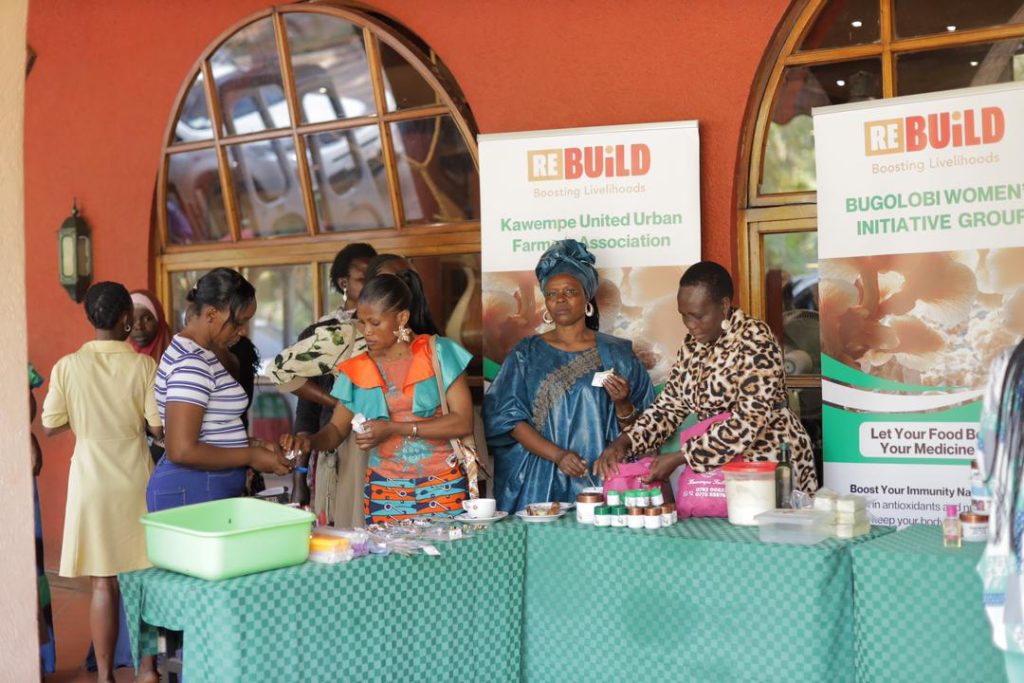 The project, led by RGF in partnership with the International Rescue Committee (IRC), focused on energy access, climate-smart innovations and green entrepreneurship. While it featured multiple interventions over its five-year duration, the last three years placed special emphasis on climate-resilient, and livelihoods particularly for urban refugees, who accounted for 60% of the beneficiaries, with host communities making up the remaining 40%.
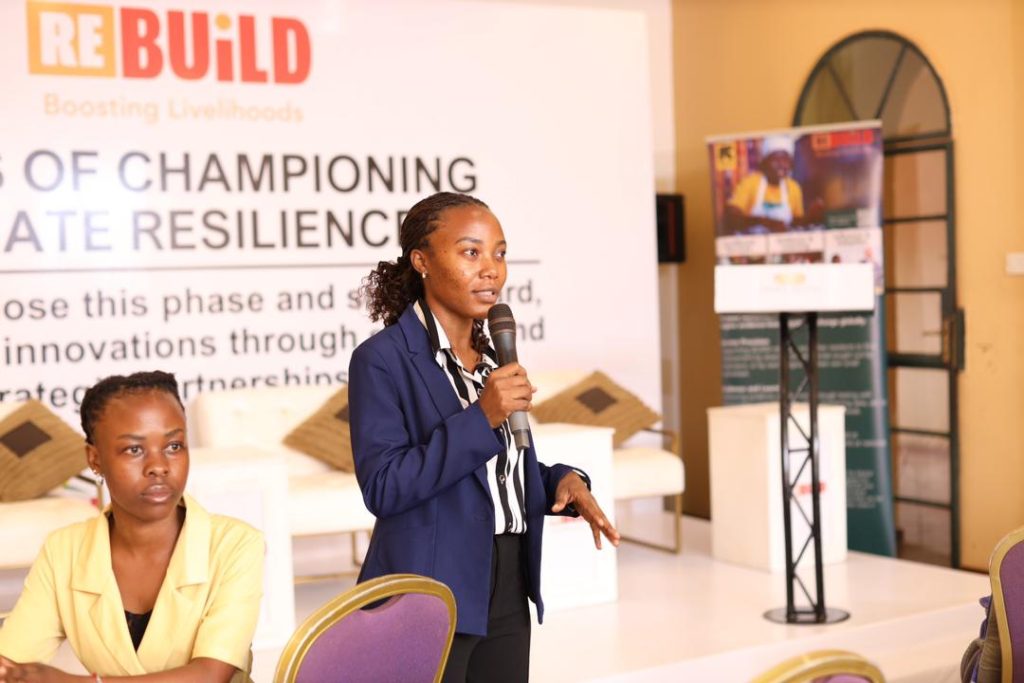
“We are celebrating the close of a five-year initiative that has truly changed lives,” said Victor Seguya, Finance Lead at Raising Gabdho Foundation. “Our goal has always been to support vulnerable communities with practical skills they can use to earn an income and build long-term resilience.”
 Turning Waste Into Wealth
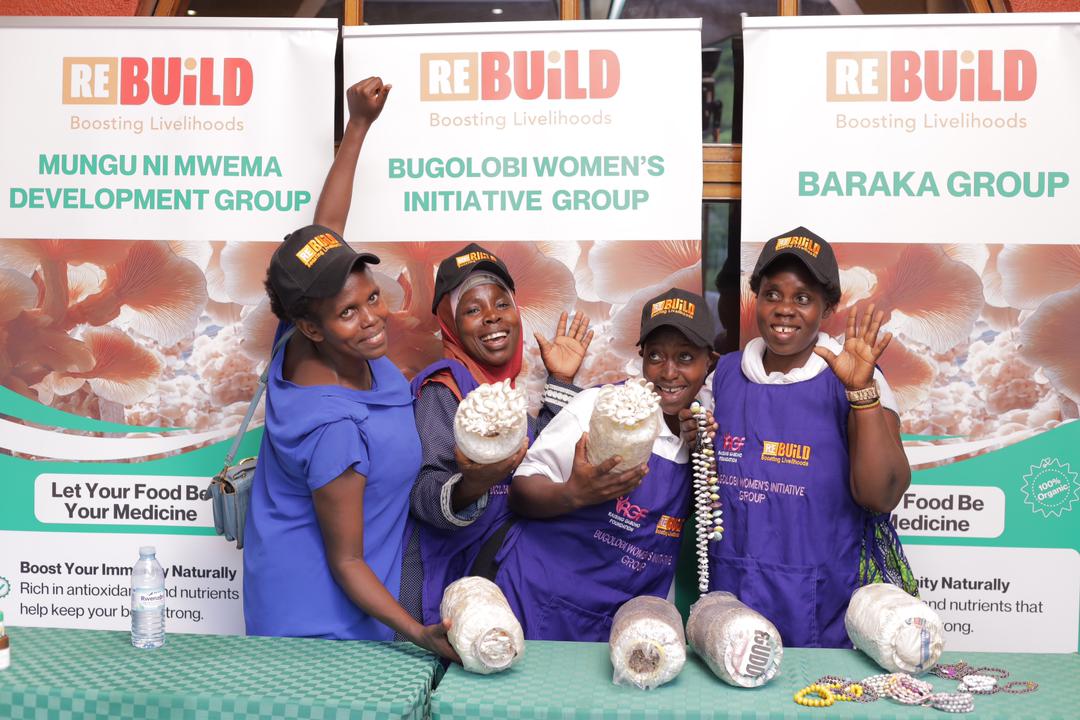
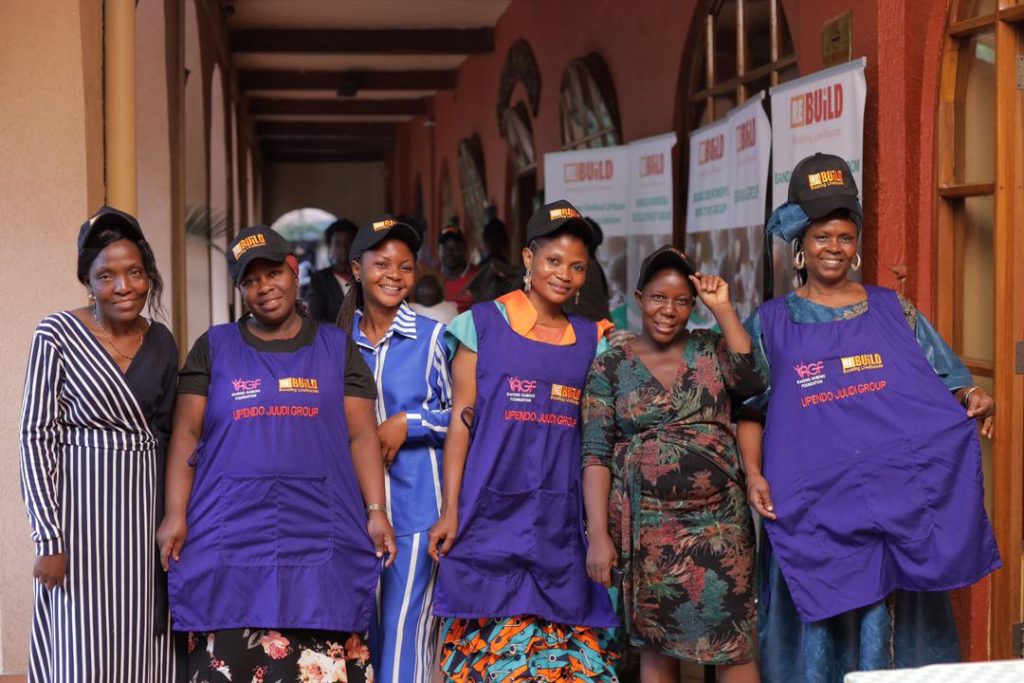
Among the project’s most successful interventions were climate-smart programs such as mushroom growing and black soldier fly farming—enterprises that empower participants to turn organic waste into valuable products. These activities have become especially popular among women, many of whom were previously unemployed or confined to domestic work.
“Women in refugee communities welcomed these opportunities,” Seguya explained. “A mushroom garden, for example, requires very little space. Many women have used this skill to start small businesses from home.”
 Some of the project’s graduates have already expanded their ventures significantly. “We have clients who started with a single mushroom garden and now operate more than 100,” he added. “This is the kind of growth we want to see—people becoming self-sustaining and scaling up their livelihoods.”
Supporting Refugees and Host Communities Alike
The Rebuild project concentrated its efforts in urban areas, where many refugees live side-by-side with Ugandan nationals. According to RGF, supporting both groups was essential to strengthening community cohesion and ensuring equal access to opportunities.
“You cannot support refugees without also supporting the host communities they live among,” Seguya noted. “That is why our beneficiary ratio was 60% refugees and 40% nationals.”
 Strong Community Response
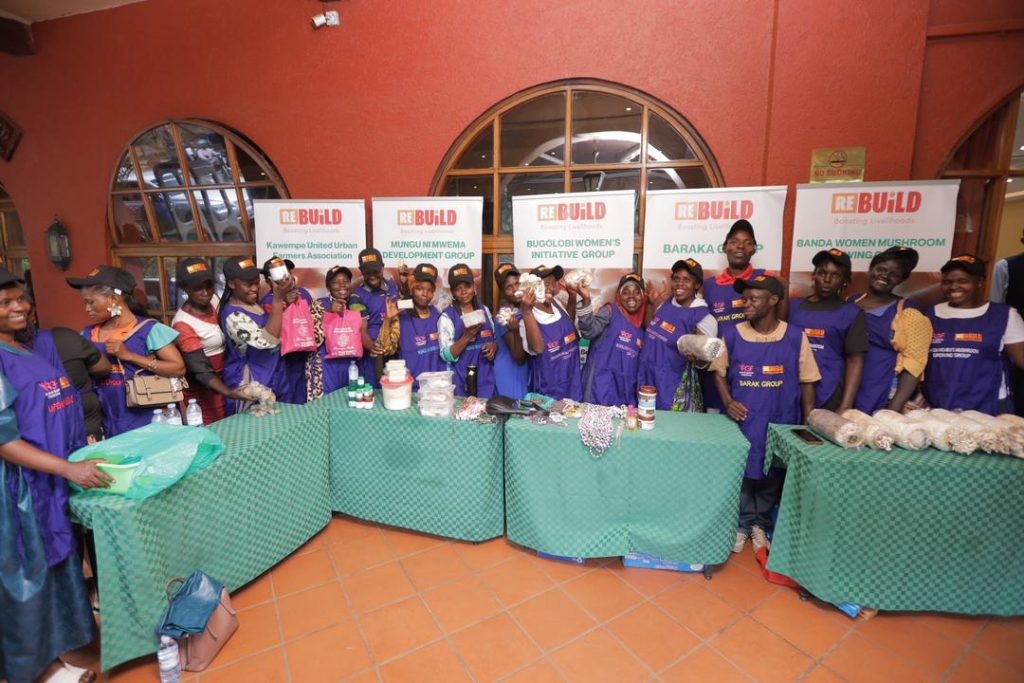
The project received overwhelming interest from residents across Kampala’s five divisions. Registration for training often filled quickly, with participants eager to gain skills that promised immediate economic impact.
“People were very responsive,” Seguya said. “Whenever we announced new training, community members especially women were always ready to sign up. They came motivated to learn and build something of their own.”
A Call for More Collaboration
As the Rebuild project reaches completion, RGF is calling for more collaboration between government bodies, development partners and private-sector actors to ensure that climate-smart innovations and green entrepreneurship become accessible to more low-income earners.
“Empowering people with the right skills helps them build their own resilience,” Seguya emphasized. “But to sustain and expand this progress, we need stronger partnerships and continued investment in communities.”
With hundreds of small businesses born from the initiative and thousands of lives positively impacted, the Rebuild project’s legacy continues to grow—illustrating how targeted support, practical skills and climate-smart solutions can unlock economic resilience for even the most vulnerable groups.