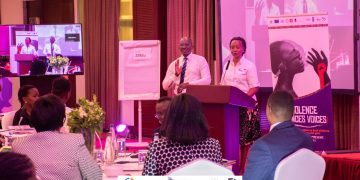



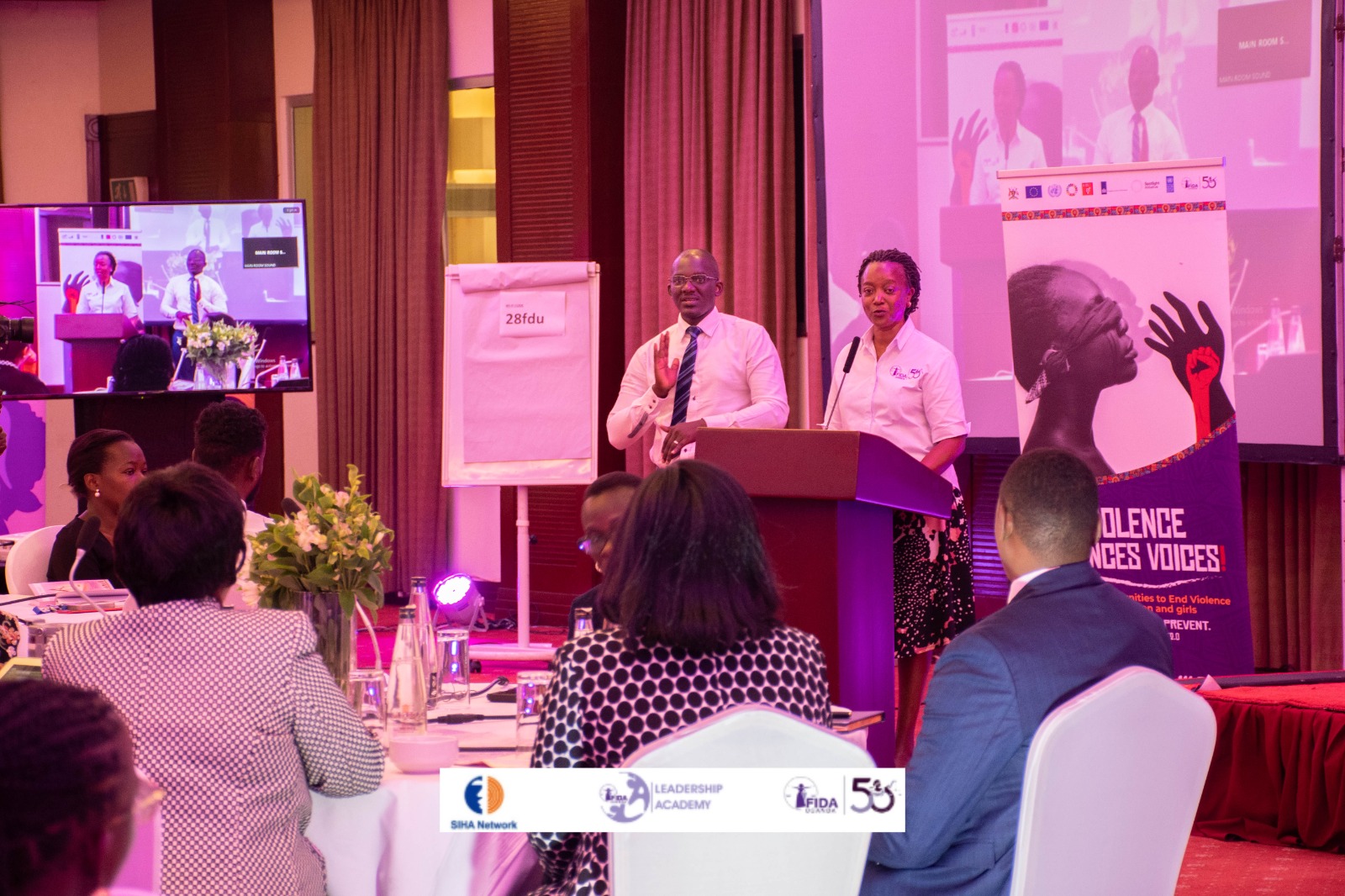
Kampala, Uganda – FIDA Uganda, in collaboration with the Strategic Initiative for Women in the Horn of Africa (SIHA Network), convened a high-level Regional Gender Forum under the theme: “Justice Beyond Borders: Regional Mechanisms and Women’s Rights in the Greater Horn of Africa.” The forum brought renewed focus to the pressing challenges facing women’s rights in conflict-affected and fragile states across the region.
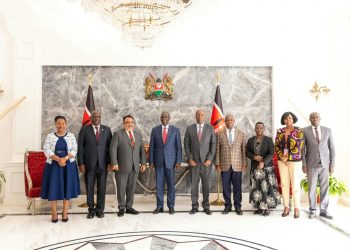
Hosted at the Serena Hotel in Kampala, the forum brought together a diverse group of stakeholders, including lawyers, women’s rights advocates, policymakers, civil society organizations, and government representatives from countries across the Greater Horn of Africa—Ethiopia, Somalia, South Sudan, Sudan, Somaliland, and Uganda.
The forum comes at a crucial time when access to justice for women and girls in the region remains limited, particularly in countries grappling with conflict, political instability, and fragile institutions.
Confronting Justice Gaps Across Borders
Elizabeth Kemigisha, Advocacy and Communications Manager at FIDA Uganda, emphasized the importance of regional cooperation in enabling access to justice for survivors of gender-based violence, especially those affected by conflict.
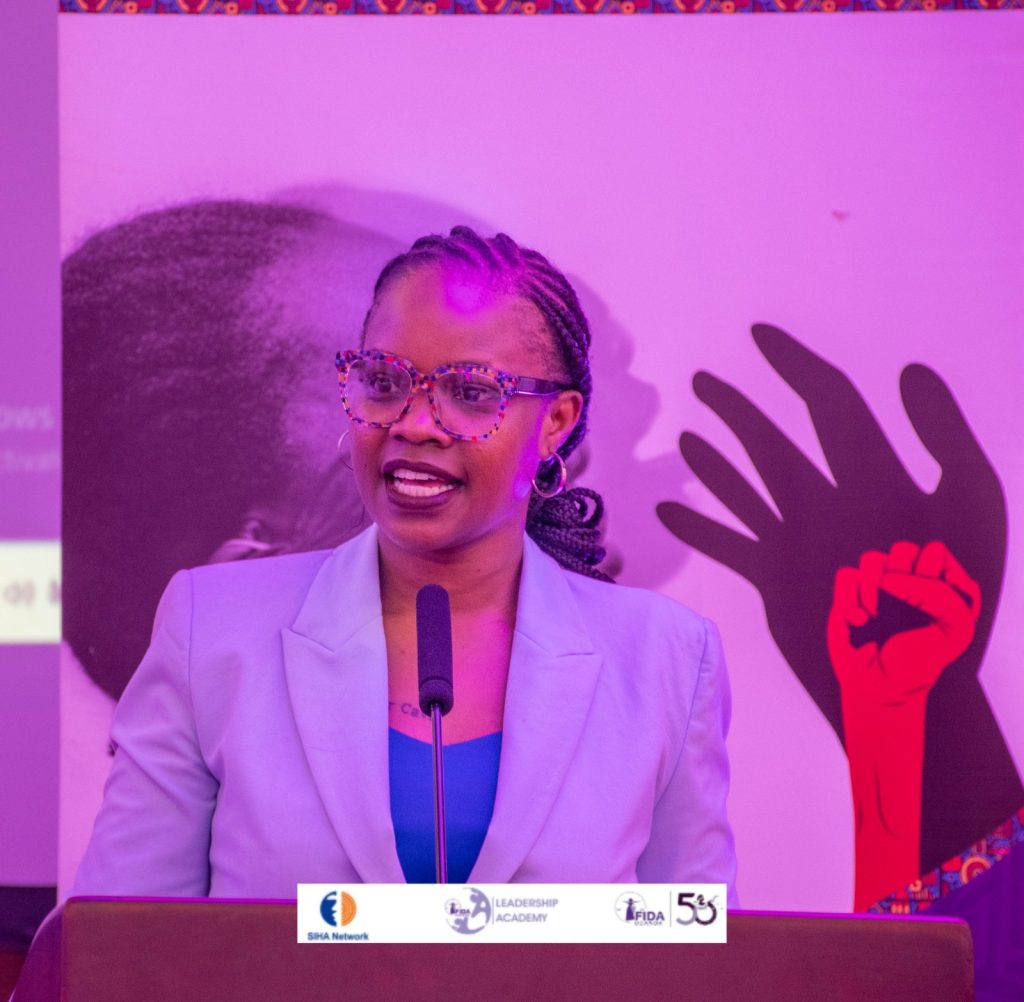
“We are here to explore how African regional mechanisms such as the African Commission on Human and Peoples’ Rights can be used to seek justice,” she said. “The Maputo Protocol remains a powerful tool, but only if it is fully ratified, implemented, and utilized.”
Kemigisha noted the importance of collaboration between national NGOs and regional institutions to ensure African women’s voices are included in peacebuilding, transitional justice, and legal reform processes.
In her opening remarks, Ms. Adriko Lillian, CEO of FIDA Uganda, emphasized that the theme of the forum reflects the very spirit of the African Charter on Human and Peoples’ Rights, which intentionally addresses not only the rights of individuals but also the rights of communities.
“This dual framing underscores that justice in Africa is both individual and collective—protecting the dignity of each woman and girl while also recognizing the shared struggles of communities facing conflict, displacement, patriarchy, and poverty,” she said.
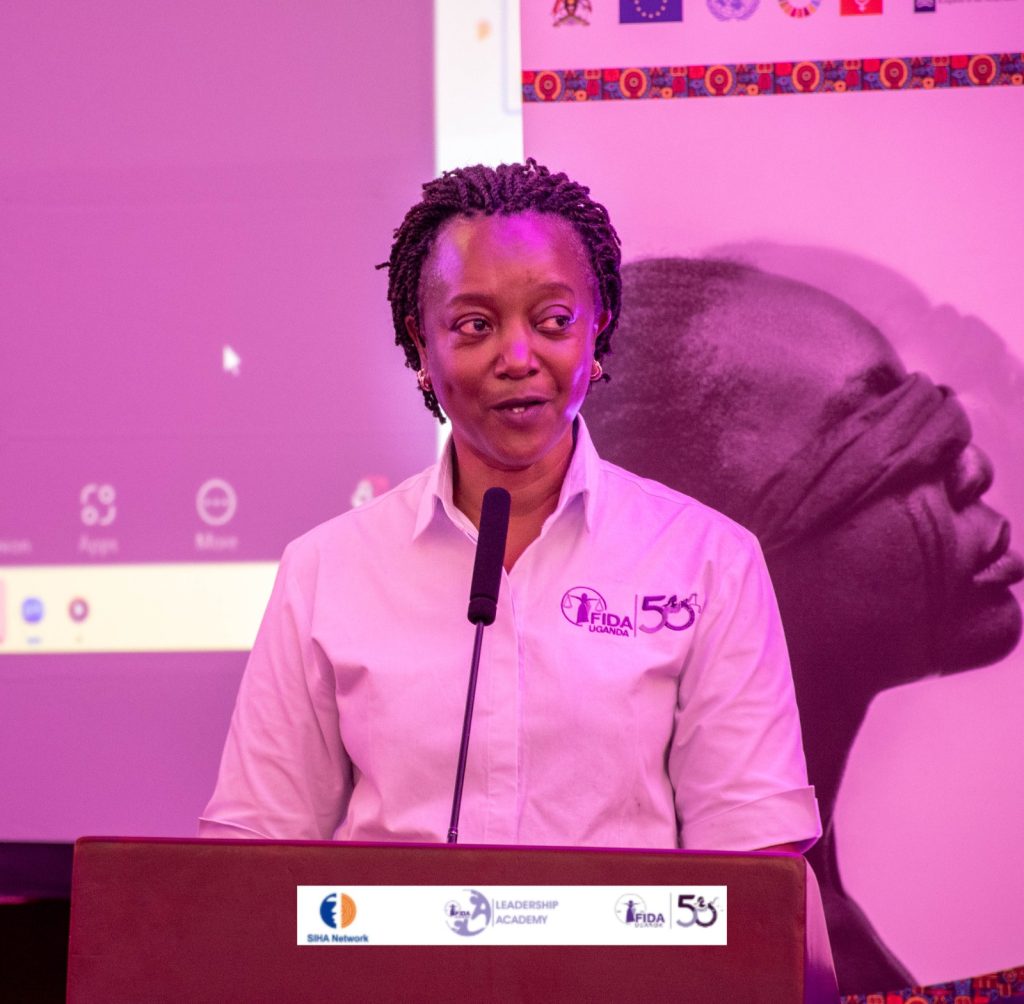
Ms. Adriko further noted that the rights of women cannot be realized in isolation from the well-being of their societies, stressing that accountability must extend beyond national borders to regional and continental levels.
Learning, Solidarity, and Pan-African Feminist Collaboration
Hala Yassin Alkrib, Regional Director of SIHA Network, highlighted the forum as a learning space and platform for cross-border solidarity.
“We work with grassroots women across the Greater Horn of Africa—Somalia, Sudan, Ethiopia, South Sudan, and Uganda. This forum is an opportunity for us to learn from each other, build collective strategies, and reinforce our shared Pan-African values,” she said.
Alkrib pointed to the root causes of violence against women, including poverty, conflict, and lack of access to resources. She stressed the need for social and economic protections alongside legal reforms, noting that one in three women in Africa still experiences violence in their lifetime.
The Government’s Commitment to Gender Justice
Commissioner Angela Nakafeero from the Ministry of Gender, Labour and Social Development reaffirmed Uganda’s commitment to increasing access to justice for survivors of gender-based violence. She acknowledged the persistent influence of harmful social norms but noted progress, including the reduction of Female Genital Mutilation (FGM) cases to 0.3% in Uganda.
“We continue to champion positive transformative social and cultural norms while supporting survivors through legal, medical, and psychosocial services,” she said. “The judiciary’s special court sessions on gender-based violence are helping reduce the backlog of cases.”
Barriers to Regional Justice – A Judicial Perspective
Justice Suzan Okalany, Justice of the High Court of Uganda, highlighted the structural and political challenges facing regional human rights mechanisms.
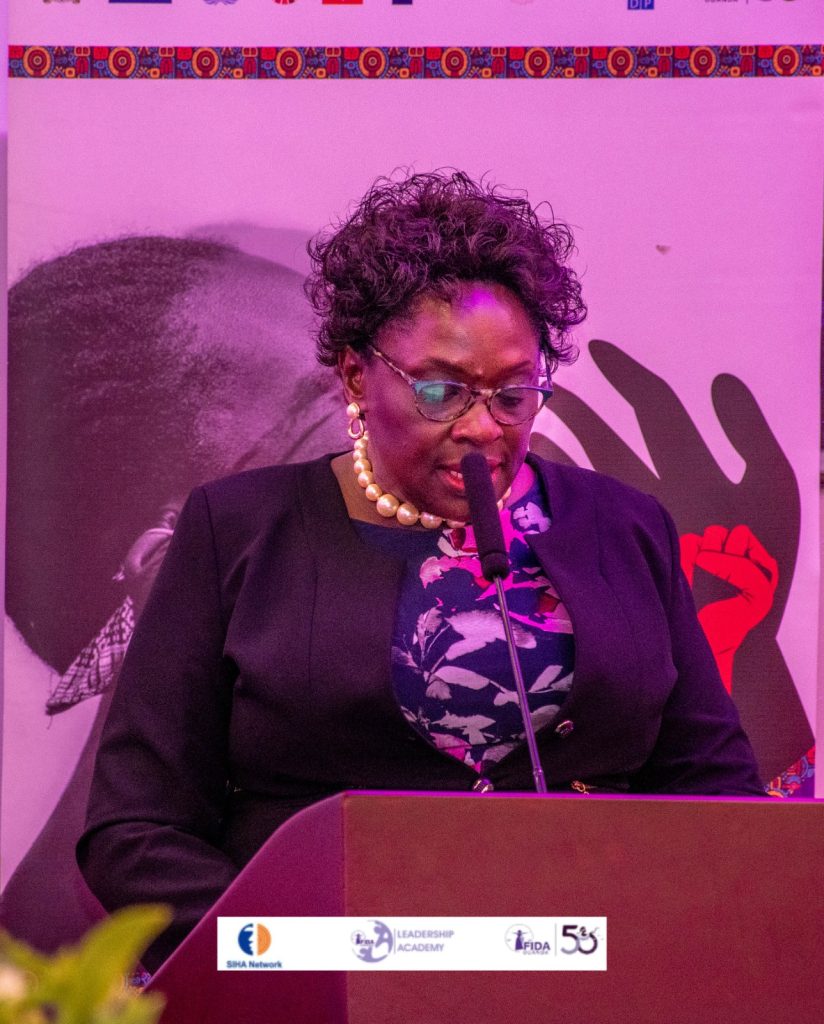
“Only 12 African countries have made the declaration under Article 34(6), allowing individuals and NGOs direct access to the African Court. Many others see civil society as adversaries rather than partners,” she said.
Justice Okalany outlined five key barriers: lack of ratification of the Maputo Protocol, limited court access, poor enforcement of judgments, political hostility from fragile states, and exhaustion of local remedies—which often leaves survivors in limbo.
She called for a five-point strategy to move forward:
- Universal ratification and domestication of the Maputo Protocol
- Enforcement of regional court rulings
- Use of universal jurisdiction for accountability
- Support for civil society and women’s rights organizations
- Survivor-centered justice that prioritizes dignity, protection, and reparations
Building regional coalitions for peace and gender justice
With Uganda hosting the largest refugee population in Africa, many of them women and girls fleeing conflict from neighboring states—the forum also discussed the urgent need for sustained funding and support for displaced women.
Kemigisha stressed that elections and political transitions in any one country ripple across borders, reinforcing the need for regional dialogue and action.
“Justice for women must go beyond borders. What happens in Sudan, Ethiopia, or the DRC affects Uganda—and vice versa. That’s why we are here: to forge stronger, unified responses for justice and peace,” she concluded.