


Stakeholders have expressed concern over the growing number of mental health challenges among displaced persons in the Great Lakes region, as efforts to address the issue begin.
The Acting Head of the Regional Peace and Security Department at the Ministry of Foreign Affairs, Ambassador Edith Namutebi, noted that studies indicate 36% of displaced adults suffer from mental health issues, with cases among children and youth reaching up to 85% and 56% respectively.
Ambassador Namutebi made these remarks while officiating the opening of a four-day training on Mental Health, Psychosocial Support, and Peacebuilding, organized by the International Conference on the Great Lakes Region (ICGLR) through its Regional Training Facility.
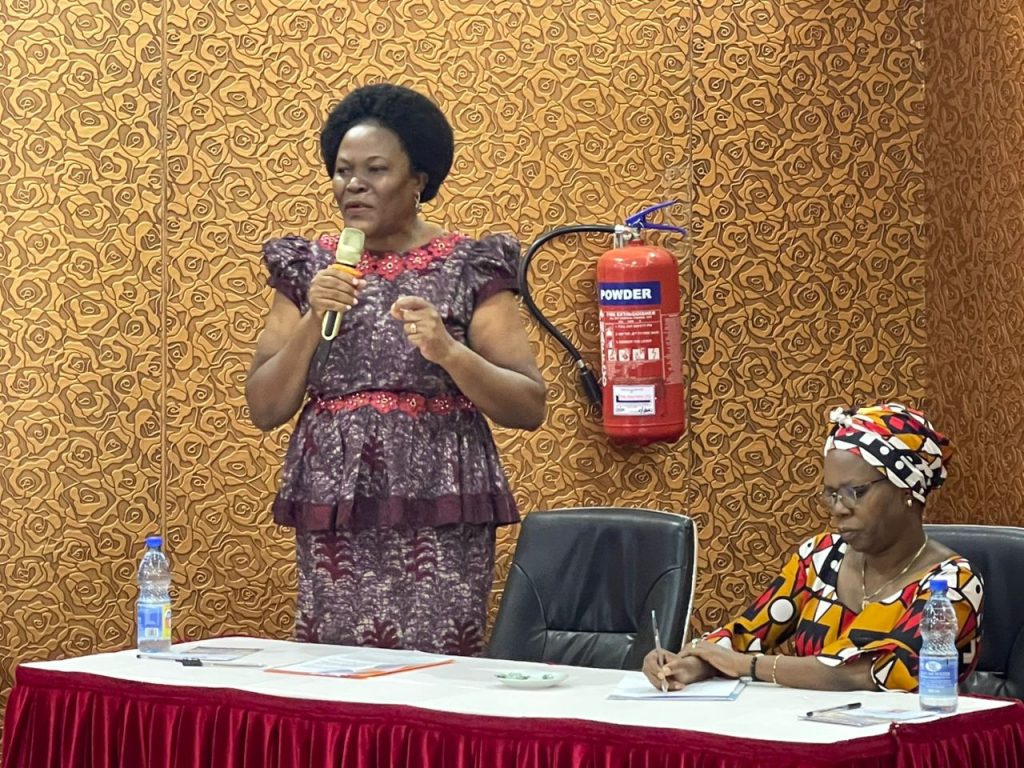
“Imagine you’re in your safe zone, and suddenly you’re displaced by conflict—you cannot remain the same. These high figures are the result of over two decades of continuous conflict in the region,” she explained.
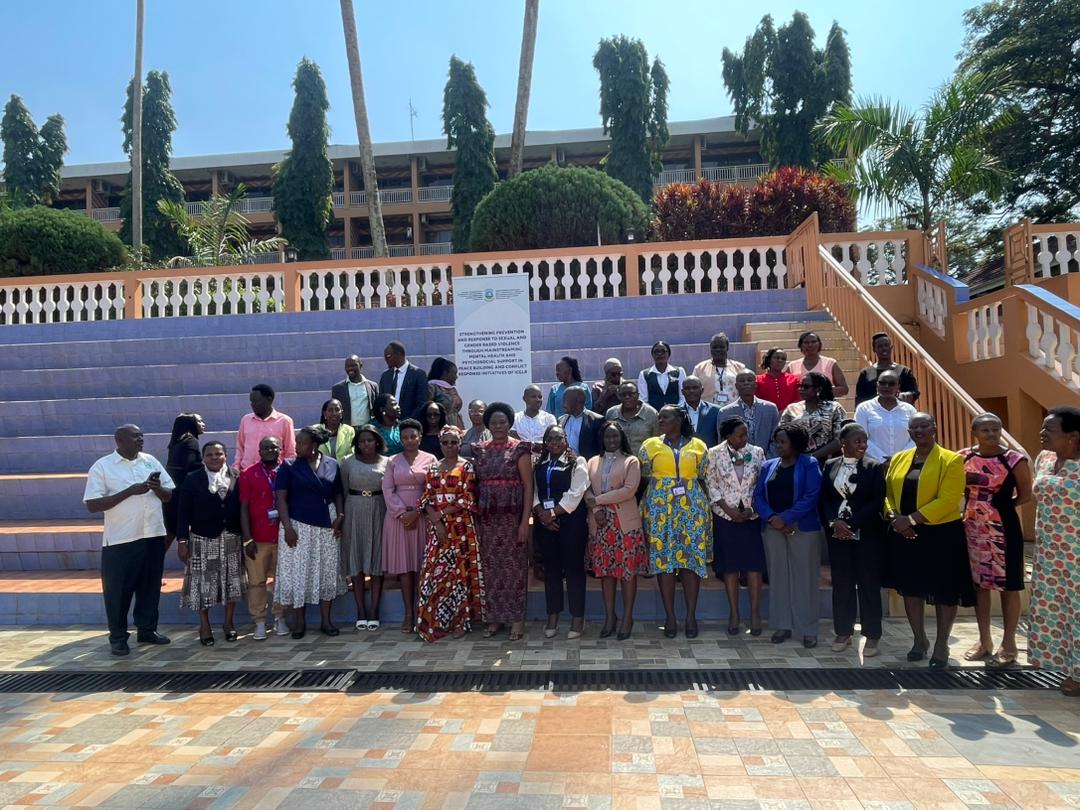
The four-day training brings together mental health experts, members of the security forces, community leaders, and civil society actors.
Dr. Janvière Ndirahisha, Regional Director of the ICGLR-RTF, stated that the training is grounded in research conducted across the 12 countries that make up the Great Lakes region.
“This crucial training is a direct response to research indicating a worsening trend in mental health across ICGLR member countries,” she said.
Dora Byamukama, Research and Knowledge Expert at the Regional Training Facility and former EALA representative, emphasized that the training addresses sexual and gender-based violence, mental health and psychosocial support, and peacebuilding—critical issues in the region.
“From our observations, a holistic approach is needed to address these challenges comprehensively. Focusing solely on physical harm while ignoring mental health overlooks a crucial aspect of societal wellbeing. That’s why we’re addressing all these areas during the training,” she said.
Christine Tusiime, a psychiatrist from Butabika National Mental Referral Hospital, stressed the importance of building a network of mental health experts at the community level to help decongest hospitals.
“This kind of effort is essential. The people being trained can support their communities in understanding mental health issues and help manage them early—before they escalate and require hospital care,” she noted.