


By Bernadette Ojao, Founder & CEO, Wabibi Pads Limited
My entrepreneurial journey did not begin with a business plan, startup capital, or a clear roadmap. It began with a sewing machine I did not know how to use, my own painful experience with menstrual poverty, and a desire to create a more dignified life for myself, my family, and other women and girls.
Growing up, I experienced menstrual poverty firsthand. There were times when my mother could not afford sanitary pads, and I had to use old pieces of cloth, toilet paper, or whatever was available. Like many girls, I learned to hide my period, worry about staining my clothes, endure discomfort, and remain silent about a basic human need.
Years later, those experiences became the foundation of Wabibi Pads. In 2019, I was tired of casual jobs that offered little financial security. I realised I could spend my life waiting for someone to give me an opportunity, or I could learn how to create one.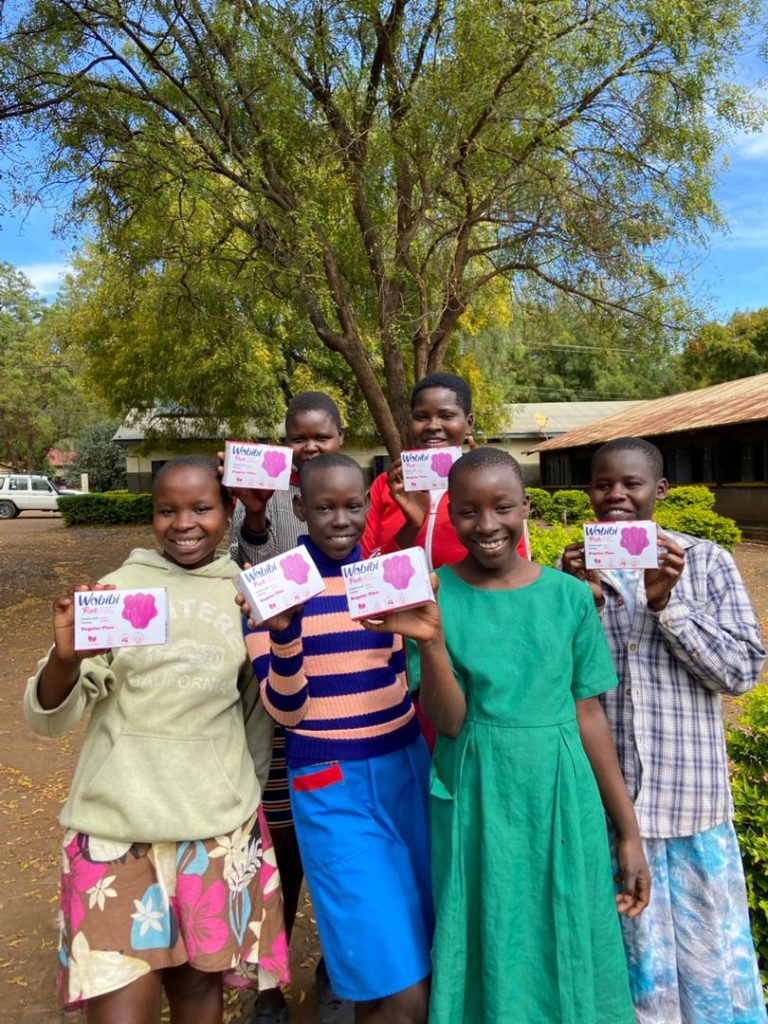 Together with friends in Kamwokya, Kampala, we surveyed ten households to understand how menstrual poverty affected women and girls. Many were using pieces of cloth because disposable sanitary pads were not consistently affordable. These conversations confirmed what I already knew personally: menstrual poverty affects dignity, education, health, household finances, and opportunities.
That was the beginning of Wabibi Pads – a vision to create affordable, sustainable reusable menstrual products that women and girls could use repeatedly.
Then came the sewing machine. A friend gave me a sewing machine, but I did not know how to use it. Instead of leaving it unused, I decided to learn. I watched YouTube tutorials, observed local tailors, practised, made mistakes and tried again. My late husband encouraged me to keep learning. Eventually, I learned to sew reusable menstrual pads.
That machine taught me an important lesson: a practical skill can change the direction of your life. Once I could sew, I could make something. Once I could make something, I could sell something. And once I could sell something, I could begin building a business and creating opportunities for others.
However, passion alone could not grow the business. Access to finance became one of my biggest challenges. Like many young entrepreneurs, I had limited capital, collateral and networks.
During the COVID-19 pandemic, a friend connected me to one of Mastercard Foundation’s partners. I later received support through a COVID resilience initiative. This became a turning point, enabling me to purchase industrial sewing machines, buy materials in larger quantities, employ other women and secure a proper workspace. I also received mentorship that strengthened my ability to manage the business.
As Wabibi grew, I began thinking about where our work was needed most. In 2023, we moved our operations to Moroto in Karamoja. Starting again in a new environment was challenging. We had to listen, learn, build relationships and earn community trust. Yet moving to Karamoja has become one of the most important decisions in our journey.
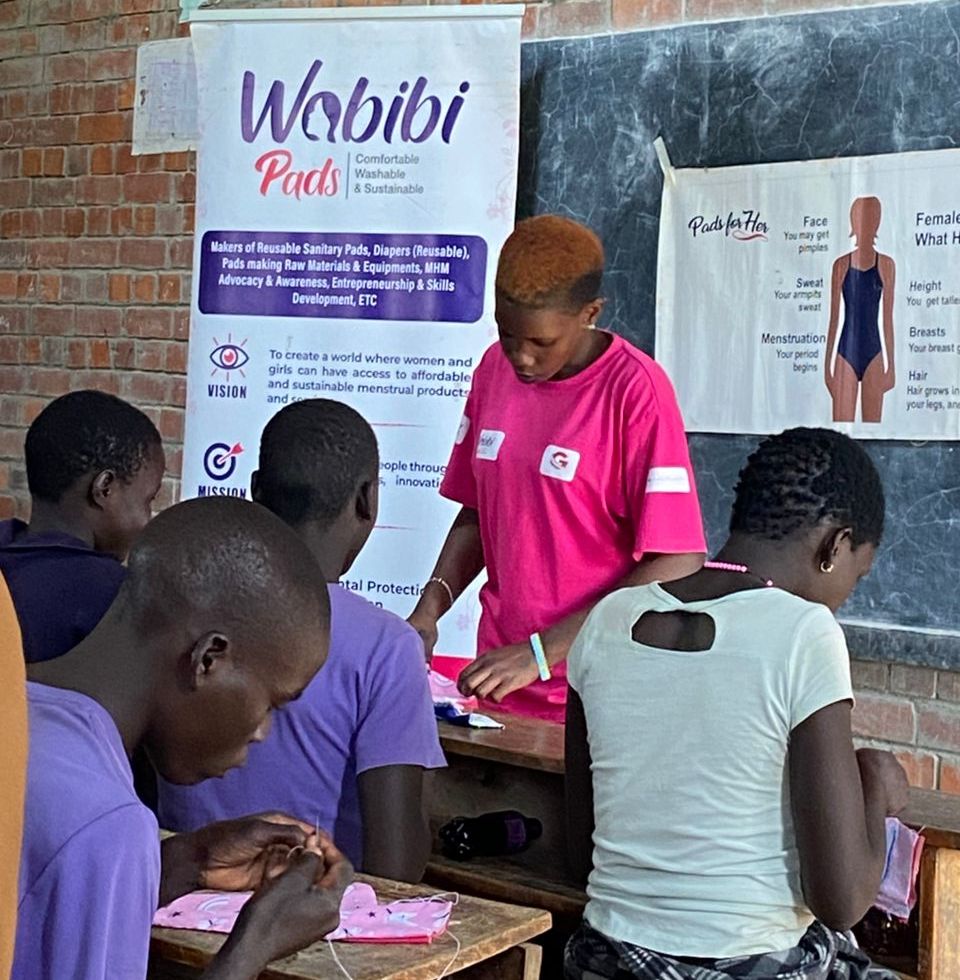
Today, Wabibi Pads has distributed more than 50,000 packs of menstrual products, supported more than 10,000 girls to manage menstruation with greater dignity and confidence, and trained more than 5,000 women and girls to make reusable menstrual pads.
But these are not simply numbers. Behind every number is a girl who can sit in class without worrying about staining her uniform, a woman who can make menstrual products for herself, or someone who can turn a practical skill into an income.
Entrepreneurship has also taught me that the journey is never straight. Markets change. Funding changes. Customers change. Plans sometimes fail. You have to learn, adapt and keep moving.
Leadership, too, does not mean having all the answers. Sometimes it means listening, asking for help, changing direction and continuing to believe in a vision even when others cannot yet see it. Most importantly, I have learned that purpose gives you a reason to continue when business becomes difficult.
And I am still dreaming. My biggest dream is to build and own a Wabibi Pads factory in Karamoja employing more than 100 people, particularly women and young people. I want menstrual health solutions to be designed, manufactured and distributed from Karamoja, creating skills, jobs and economic opportunities.
Whenever that dream feels too big, I remember where Wabibi started: one sewing machine I did not know how to use.
To every young woman with an idea but afraid to take the first step, my message is simple: begin.
Do not wait for the perfect investor, office, business plan or opportunity. Start with what you have. Learn a skill. Understand the problem you want to solve. Listen to the people affected by it. Learn about money, marketing and partnerships. Make mistakes, learn from them and keep moving.
Most importantly, do not compare your beginning with somebody else’s middle. My beginning was not glamorous. It was a sewing machine I did not know how to use. But I was willing to learn.
That machine became a skill. The skill became a product. The product became a business. And that business is creating opportunities for thousands of women and girls.
That is my dream. It has a purpose. And I know it will come to pass.