


KAMPALA, Uganda (UGNEWSLINE) – Uganda is preparing a major overhaul of its electricity distribution network, with the government seeking to ensure that schools, hospitals, businesses and emerging industries are located within reach of reliable power as the country pursues its long-term economic transformation.
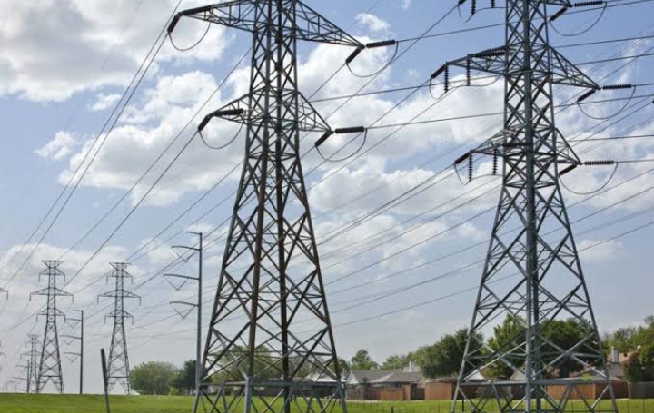
The government has launched the development of a National Electricity Distribution Master Plan to 2040, an initiative expected to address longstanding weaknesses in electricity planning, reduce infrastructure costs and improve access to power across the country.
The 18-month study will establish a coordinated framework for expanding electricity infrastructure, bringing together government ministries and agencies responsible for energy, education, health, agriculture and tourism.
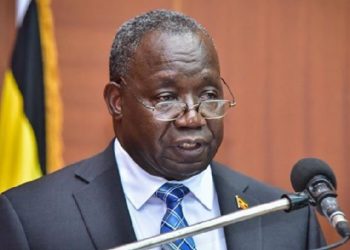
Eng. Abdon Atwine, Commissioner for Rural Electrification at the Ministry of Energy and Mineral Development, said the initiative was intended to address the costly consequences of planning public infrastructure without considering the availability of electricity.
He cited instances where schools had been established about 40 kilometres from existing electricity lines, while some health facilities were located approximately 20 kilometres away, forcing the government to incur additional costs to extend power infrastructure.
Under the proposed arrangement, electricity planning will become an integral part of decisions on where public institutions, commercial enterprises and industrial investments are established.
The government hopes this will prevent situations in which newly constructed schools and health facilities remain disconnected from the national grid or require expensive extensions before they can operate effectively.
The initiative also seeks to respond to the changing electricity needs of Uganda’s economy, particularly as communities establish small businesses and agro-processing enterprises under government development programmes, including the Parish Development Model.
Atwine said the country needed a harmonised approach to electricity expansion, with different government agencies working together to ensure that infrastructure investments support national development priorities.
The plan comes as Uganda continues to expand its electricity distribution network while grappling with the challenge of ensuring that increased infrastructure translates into reliable and affordable power for consumers.
Data from the Electricity Regulatory Authority shows that the country’s distribution network reached 96,263 kilometres by the end of 2025, representing a 72 per cent increase from 56,092 kilometres recorded in 2021.
However, expansion has not eliminated concerns about efficiency. Electricity distribution losses stood at 18.1 per cent in 2025, compared with 16.7 per cent the previous year, highlighting the need to improve the management and performance of existing infrastructure.
For businesses, improved electricity planning could support manufacturing, food processing, refrigeration and other activities that depend on a stable power supply.
The proposed master plan is also expected to identify areas requiring network upgrades and guide investment towards communities experiencing growing demand.
Uganda’s wider energy ambitions include achieving universal electricity access by 2030 through a combination of grid connections and off-grid solutions, particularly solar power systems.
The country’s National Energy Compact, launched in October 2026, separately targets 85 per cent electricity access by 2030 and seeks to mobilise billions of dollars in investment to accelerate the energy transition.
The distribution master plan is expected to complement these ambitions by ensuring that electricity infrastructure is developed in a coordinated manner as Uganda works towards its Vision 2040 development goals.