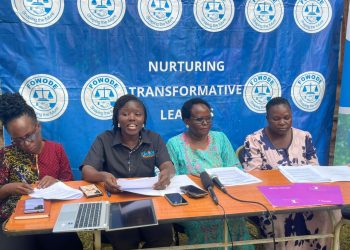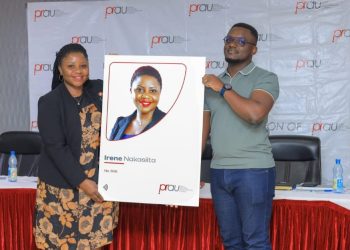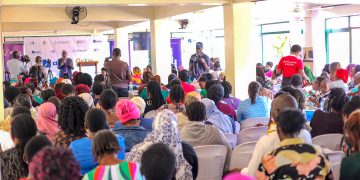



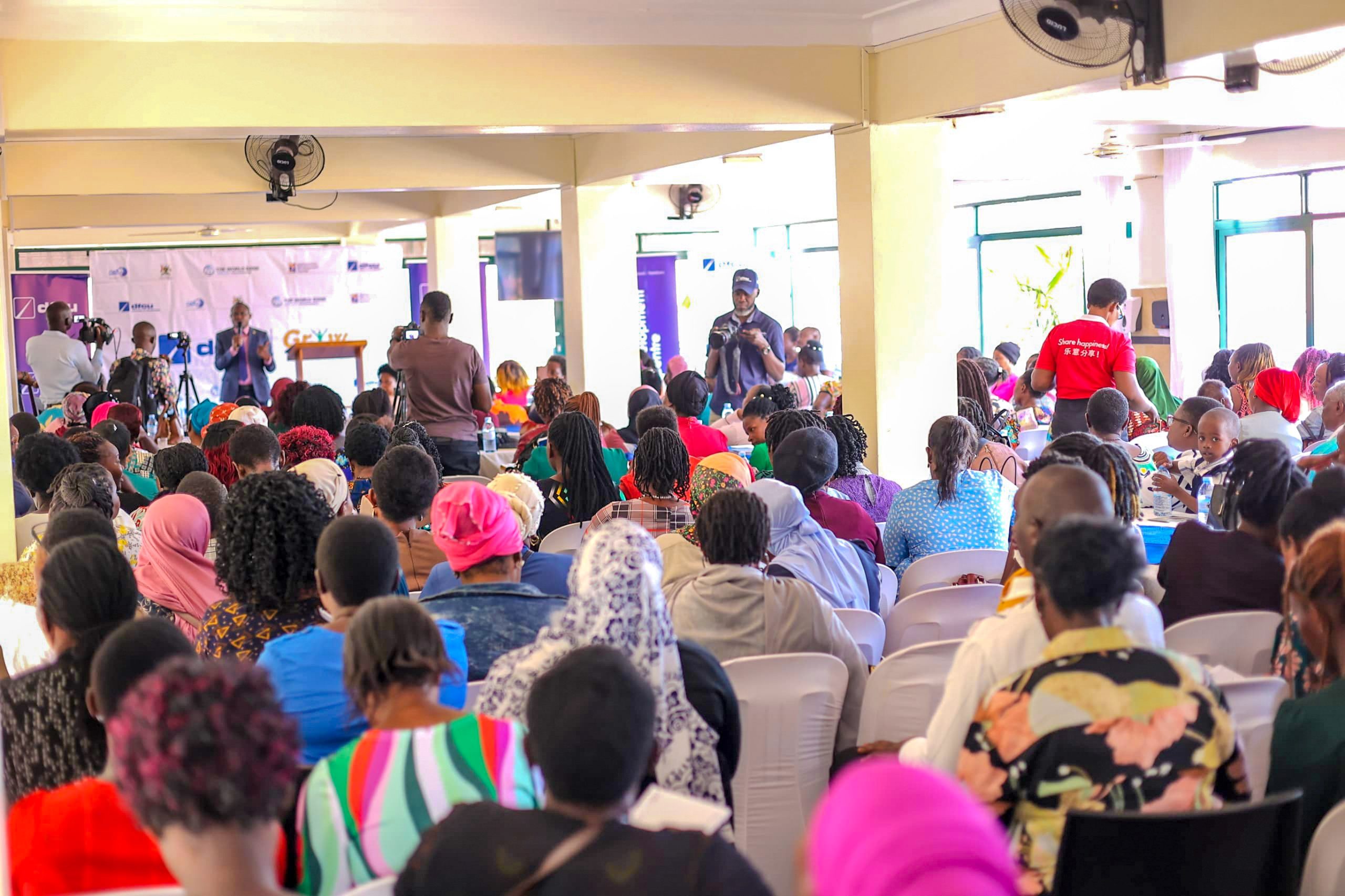
The GROW Project, funded by the World Bank and implemented under Uganda’s Ministry of Gender, is steadily reshaping the landscape for women entrepreneurs across the country.
Designed to address long-standing barriers that have limited women’s full participation in business, the initiative offers a comprehensive model that goes far beyond access to finance, focusing instead on building lasting capacity and opportunity.
At the heart of the GROW Project is a clear understanding that training, business support, and market linkages are not stand-alone interventions, but deeply connected pillars of success.
Training provides women with essential entrepreneurial, financial, and technical skills, enabling them to manage and grow their enterprises with greater confidence and efficiency. It opens the door to informed decision-making, innovation, and adaptability, particularly for those who may have had limited access to formal education.
However, skills alone are not always enough to guarantee success. The project therefore places strong emphasis on continuous business support, including mentorship, coaching, and advisory services. This guidance helps women translate knowledge into practice, navigate challenges, and make strategic decisions in real-world business environments.
It also plays a critical role in helping them overcome structural barriers such as limited access to finance, regulatory complexities, and the competing demands of household responsibilities.
Equally important are market linkages, which connect women-led businesses to buyers, suppliers, and broader value chains. Through these connections, entrepreneurs gain access to reliable markets, expand their customer base, and meet evolving consumer demands. Whether through trade opportunities, partnerships, or digital platforms, these linkages provide the exposure and stability needed to sustain and grow a business.
As these elements come together, their impact extends beyond business performance. Women begin to build confidence alongside competence, taking calculated risks, negotiating better deals, and asserting themselves more strongly in both economic and social spaces. This growing sense of agency is a key driver of long-term empowerment and leadership.
The combined effect is the creation of a supportive ecosystem where women-owned enterprises can move beyond survival to sustainable growth. Businesses become more resilient, generate higher incomes, and contribute meaningfully to job creation and local economic development. In turn, households are strengthened and communities benefit from increased economic activity.
Through this integrated approach, the GROW Project is not only improving business outcomes but also unlocking the broader potential of women as drivers of economic transformation in Uganda.