


Uganda and South Sudan are taking a significant step toward connecting their electricity systems, with the technical launch of a major cross-border transmission project opening a new chapter in regional energy cooperation.
The project is expected to create a stronger link between the two countries’ power networks, potentially allowing electricity to move more efficiently across their shared border. Beyond improving connectivity, the initiative could reshape the way the two neighbours produce, trade and access electricity, while strengthening Uganda’s emerging role as a regional power supplier.
For South Sudan, increased access to Uganda’s electricity could support efforts to address persistent power shortages and improve the reliability of electricity available to households, businesses and public institutions. Reliable electricity is widely regarded as an important foundation for economic activity, industrial development and the delivery of essential services.
Uganda, meanwhile, could gain a larger market for its electricity generation capacity. By connecting its national grid to neighbouring countries, Uganda has an opportunity to expand electricity exports and deepen its participation in the wider East African power market.
The cross-border transmission project is therefore more than an infrastructure undertaking. It represents an attempt to build greater energy interdependence between two countries whose economies and populations have close geographical and commercial ties.
Electricity transmission networks are critical to regional power trade because they allow countries to share available generation capacity. A country experiencing a temporary surplus can export power to a neighbour facing a shortfall, while interconnected systems can improve the overall resilience of electricity supply.
For South Sudan, the connection with Uganda could provide access to a comparatively established electricity network as the country continues developing its own power infrastructure. For Uganda, the project could open additional opportunities to sell electricity beyond its domestic market.
The development also fits into a broader regional push toward greater electricity integration in East Africa. Countries across the region have increasingly explored interconnected grids and cross-border electricity trading as a way of improving reliability, reducing supply constraints and making better use of available generation resources.
However, the benefits of the project will ultimately depend on successful construction, financing, regulation and coordination between the two countries. Technical compatibility, transmission capacity and agreements governing cross-border electricity trade will all be important in determining how effectively the connection operates.
The project could also have implications beyond the immediate Uganda-South Sudan relationship. Stronger electricity links can create the foundation for wider regional energy markets, allowing power to move between countries according to demand and available supply.
As Uganda and South Sudan move from technical preparations toward implementation, attention will increasingly focus on when the infrastructure will become operational and how much electricity can ultimately be traded through the connection.
If successfully completed, the project could mark a turning point in the two countries’ energy relationship—transforming electricity from a largely domestic concern into a tool for deeper regional cooperation.
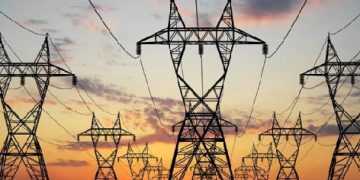
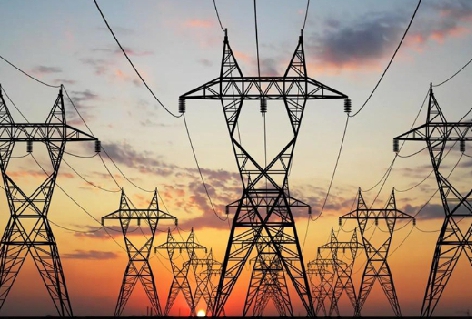
For Uganda, the power lines could represent another route into regional electricity markets. For South Sudan, they could provide an important additional source of electricity. And for East Africa more broadly, the project offers another example of how cross-border infrastructure can connect economies not only through roads and trade, but through the power systems that keep them running.

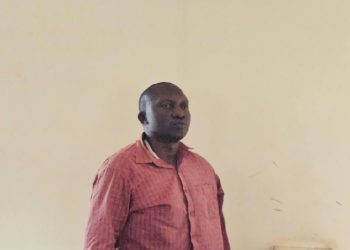
Afrigo Band musician Moses Matovu’s suspected killer remanded to Luzira
A 47-year-old driver has been remanded to Luzira Upper Prison after being charged with the murder of veteran Afrigo Band...