


In a decisive move to safeguard Ugandans seeking work abroad, the government has announced stringent measures requiring all migrant worker contracts to be verified and formally signed before departure. This initiative, spearheaded by the Ministry of Gender, Labour, and Social Development, aims to ensure that migration is safe, legal, and dignified.
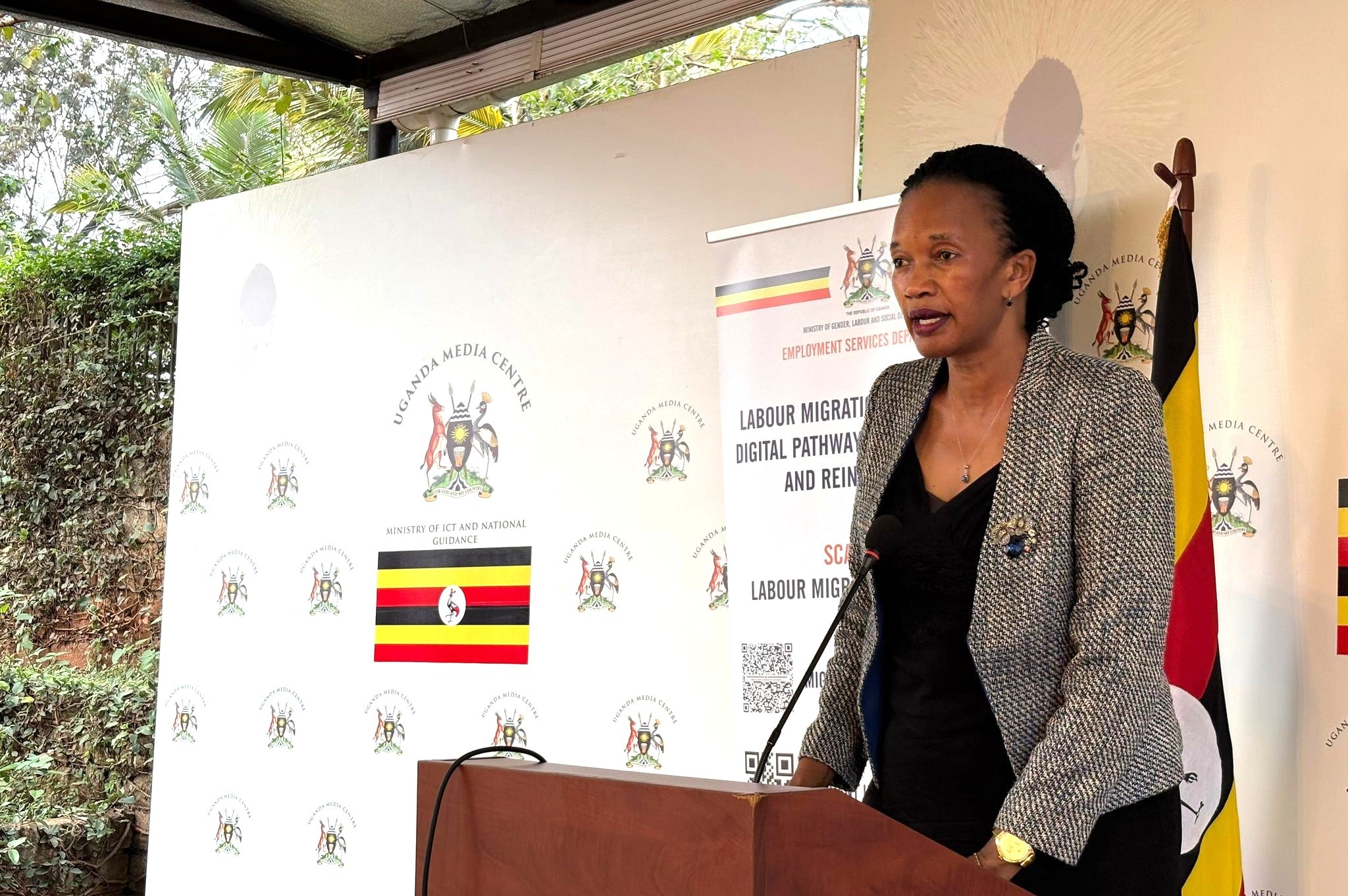
Esther Davinia Anyakun, Minister of State for Labour, Employment, and Industrial Relations emphasized the critical importance of safe and orderly labor migration, urging Ugandan youth to engage only licensed recruitment agencies when seeking overseas employment.
“Migration must be safe, legal, and dignified,” she stated, underscoring the government’s commitment to protecting its citizens.
This announcement comes in the wake of a shocking BBC investigation exposing a human trafficking ring allegedly exploiting Ugandan women trafficked to Dubai for prostitution.
The exposé implicated a man named Abbey Mwesigwa as the suspected ringleader, who allegedly lured young women with false promises of employment in the United Arab Emirates (UAE).
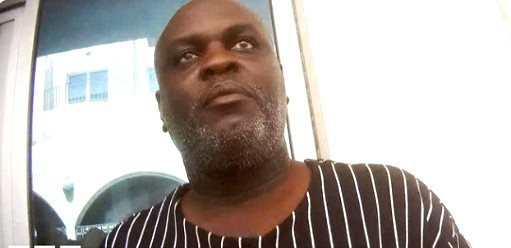
Addressing the journalist at the Uganda Media Centre today (September 30, 2025), Anyakun condemned the revelations as “deeply regrettable” and confirmed a multi-agency investigation is underway in partnership with UAE authorities.
“If these reports are true, it is tragic that young Ugandans seeking jobs abroad fall victim to such horrific exploitation,” she said.
She noted that the government is resolute in ensuring justice for the victims and bringing perpetrators to account.
Clarifying the distinction between legal migration and trafficking, Minister Anyakun revealed that Mwesigwa is not a registered recruiter under the Ministry’s official framework.
Most victims reportedly traveled on tourist visas, circumventing formal recruitment channels, making them vulnerable to traffickers and exploitative networks.
Anyakun appealed for patience as investigations into the BBC report continue.
She stressed the need to verify victim details and trace their routes out of Uganda. “We are working closely with the Ministries of Internal and Foreign Affairs to establish how these women left Uganda and fell victim to exploitation,” she said.
Youth unemployment and vulnerability to exploitation
Uganda continues to face a daunting youth unemployment crisis, with over 600,000 young people entering the job market annually. According to the 2024 National Population and Housing Census, more than half of Uganda’s youth, remain unemployed, heightening their risk of falling prey to traffickers.
To combat this, the government launched the Externalization of Labour Programme in 2005, facilitating safe overseas employment opportunities primarily in the Middle East.
Over 280,000 Ugandans have benefited from this program, collectively remitting over $1.3 billion (approximately shs4 trillion).
Despite efforts in place, human trafficking and irregular migration persist as major challenges. The minister acknowledged ongoing trafficker tactics, including false job offers, coercion to abandon official contracts, substandard living conditions known as “biyumba,” and abuse of tourist visa loopholes.
The Ministry highlighted several critical interventions to combat trafficking and exploitation.
Revised Recruitment Regulations (2021) which include enforcing stricter penalties, mandatory four-party contracts, and greater accountability for Ugandan and foreign recruitment agencies; and Bilateral Labour Agreements (BLAs) signed with Saudi Arabia, Qatar, Jordan, and pending activation with UAE, which agreements guarantee worker rights and protections.
Digital Oversight through EEMIS (a real-time External Employment Management Information System to track all migrant workers); a 24/7 Call Centre which provided immediate support for Ugandans abroad facing distress; and establishment of migrant resource centres which offer education/training on safe migration and reintegration services.
However, the Ministry admits challenges remain, including funding limitations, inadequate legal support overseas, and limited consular assistance.
She called for collective responsibility, stating, “The fight against human trafficking requires the commitment of families, communities, leaders, and the media to protect our people from these criminal networks.”