


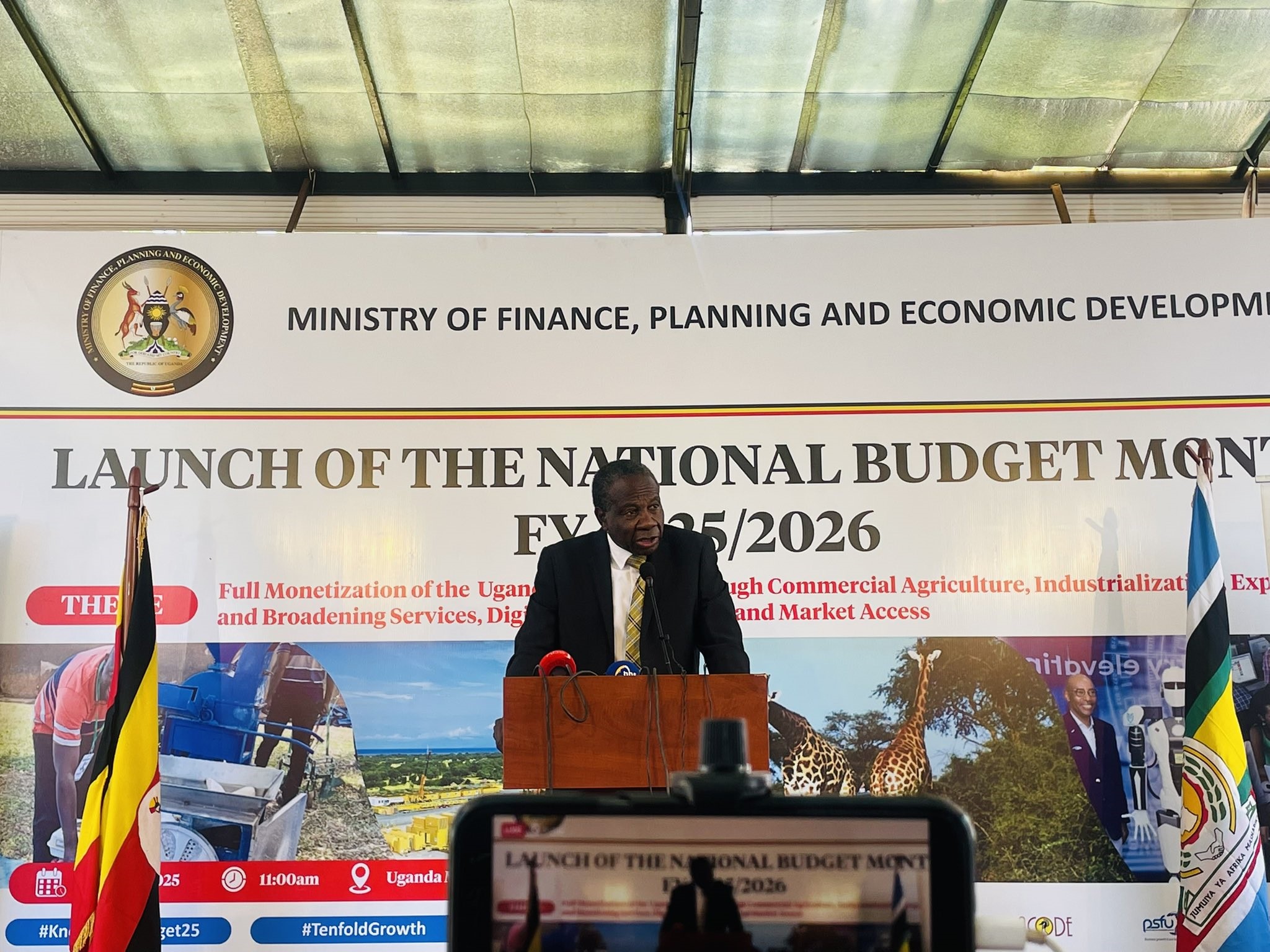
KAMPALA– Uganda’s Minister of Finance, Matia Kasaija, has launched the National Budget Month for the fiscal year 2025/26 underscoring the government’s commitment to inclusive and transparent governance in public resource management.
Addressing journalists at the Uganda Media Centre today May 29, 2025, he emphasized that governments worldwide exist to deliver prosperity and enhance citizen well-being, a goal that can only be achieved through inclusive and transparent budget processes.
He noted that a responsive budget leaves no one behind and is fundamental in building a just and equitable society.
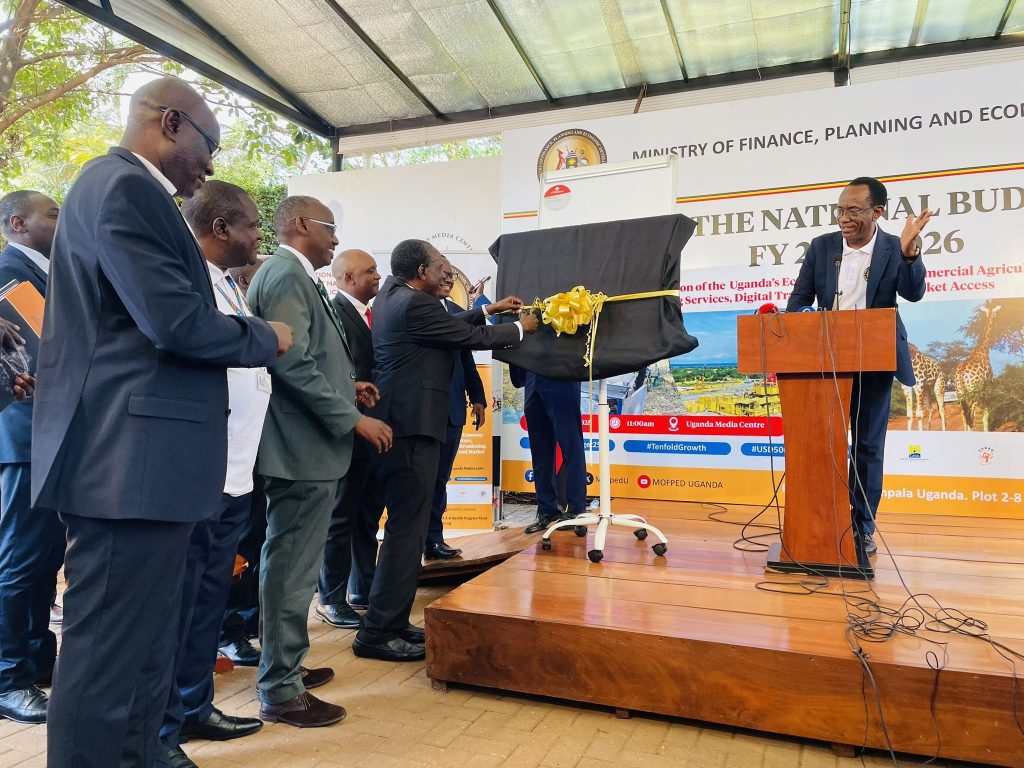
A key milestone in this journey has been ongoing collaboration with Civil Society Organizations to promote budget transparency and accountability. The partnership has fostered unrestricted public participation at all budget stages, improved dissemination of budget information in accessible formats, and empowered citizens to engage in constructive dialogue and accountability for service delivery.
In a major announcement during the event, the Minister launched the National Public Investment Management (NPIM) Policy, an initiative aimed at revolutionizing how Uganda plans, executes, and monitors public investments.
The NPIM Policy aligns with the government’s ambitions under the Fourth National Development Plan (NDP IV) to expand Uganda’s economy from USD 50 billion to USD 500 billion within 15 years.
“The NPIM Policy ensures that every shilling invested delivers tangible value through job creation, enhanced public services, and sustained economic growth,” he explained.
He highlighted that the policy addresses persistent challenges including inadequate planning, project delays, limited technical capacity, and poor maintenance of public infrastructure.
Moving forward, he said all government projects will adhere to the NPIM Policy and Development Committee Guidelines, ensuring timely completion within budget and upholding quality standards.
Kasaija called on all Ministries, Departments and Agencies (MDAs), development partners, civil society, and the private sector to join forces in implementing these reforms and maintaining public assets for long-term service delivery.
He also revealed a comprehensive calendar of activities for National Budget Month, designed to enhance transparency, raise public awareness, and foster citizen participation in the national budgeting process.
He thanked government and civil society partners for their coordination efforts, which have helped avoid conflicts with other national programs and deepened citizen engagement.
Kasaija reaffirmed the government’s dedication to transparent, inclusive, and effective public financial management.