


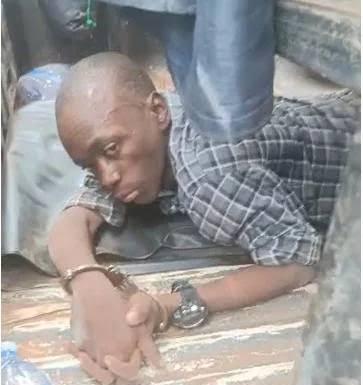
LEGAL STORM: The Uganda Law Society (ULS) has strongly opposed plans by the Judiciary to conduct a “Mobile High Court Session” in Ggaba for the trial of Christopher Okello Onyum, describing the move as unconstitutional, prejudicial, and a threat to the rule of law.
The proposed session, scheduled for April 13, 2026, at Ggaba Community Church grounds, is intended to try Onyum, the suspect in the widely publicized killing of four toddlers on April 2. Authorities have framed the initiative as a step toward “speedy justice” and improved access to judicial services under newly issued mobile court practice directions.
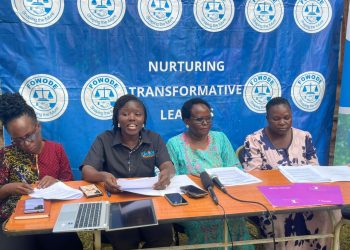
However, in a statement delivered to the media in Kampala today by Counsel Alexander Lule on behalf of ULS President Isaac Ssemakadde and the ULS Council, the legal body rejected the initiative outright, stating it had neither been consulted nor invited to participate in what it termed a “rushed constitutional experiment.”
Allegations of Executive Interference
The ULS argues that the mobile court arrangement reflects undue influence from the Executive branch over the Judiciary. The statement cites remarks attributed to Principal Judge Jane Frances Abodo indicating that the President had directed that the case be handled quickly and through the mobile court system.
Further concern was raised over public comments by Balaam Barugahara, who reportedly described the suspect as a “criminal” prior to trial and suggested harsh punishment in public statements and media appearances.
According to the ULS, such pronouncements risk undermining the constitutional presumption of innocence and may prejudice judicial proceedings.
Fair Trial and Constitutional Safeguards
Central to the ULS position is Article 28 of the Constitution, which guarantees the right to a fair hearing. The Society argues that holding the trial at the scene of the crime, in a highly charged emotional environment, compromises the independence and impartiality required of the court.
The statement draws parallels to the landmark Uganda Law Society & Jackson Karugaba v Attorney General, in which the Constitutional Court ruled that even military court proceedings must adhere to fair trial standards, including adequate time to prepare a defense and access to an impartial tribunal.
ULS contends that these principles apply equally if not more strongly—to the current case. It also references international human rights standards, including provisions under the African Charter on Human and Peoples’ Rights and the International Covenant on Civil and Political Rights (ICCPR), which emphasize the importance of shielding judicial processes from public pressure and prejudicial publicity.
Concerns Over “Trial by Public Spectacle”
The planned trial is expected to include live broadcasts, large public viewing screens, and attendance by selected community groups, including religious and local leaders. The ULS warns that such arrangements risk turning the proceedings into what it calls a “public spectacle,” potentially influencing both judicial actors and public perception.
The Society argues that the combination of public grief, political commentary, and media exposure creates an environment incompatible with a fair trial. It further questions whether the presiding judge, Alice Komuhangi Khaukha, can independently determine the appropriateness of the venue given that key decisions appear to have been made prior to judicial review.
Broader Implications
The ULS cautions that the implications of this case extend beyond a single trial. It warns that if constitutional safeguards are compromised under public or political pressure, such practices could become normalized in future high-profile cases across the country.
“This is not merely about one accused person,” the statement emphasizes. “It is about the integrity of Uganda’s justice system and the preservation of judicial independence.”
Call for Reversal
The Uganda Law Society has called on the Chief Justice to halt the planned mobile court session and instead conduct the trial within established High Court premises, in accordance with standard legal procedures.
While acknowledging the gravity of the crimes and the need for justice for the victims’ families, the Society insists that justice must be delivered fairly and without external influence.
“The rule of law demands impartiality, not expediency,” the statement concludes, adding that the ULS is prepared to take legal action if necessary to defend constitutional principles.
As the trial date approaches, the controversy highlights a growing tension between demands for swift justice and the need to uphold fundamental legal rights in Uganda’s judicial system.