TOURISM: Uganda will join the rest of the world on March 3, 2026, to commemorate World Wildlife Day, with national celebrations scheduled to take place in Entebbe Municipality, Wakiso District. The event will be presided over by H.E. the President of the Republic of Uganda as Chief Guest.
World Wildlife Day was proclaimed by the Sixty-eighth Session of the United Nations General Assembly on December 20, 2013, and is observed annually on March 3 to celebrate the diversity of wild fauna and flora while raising awareness about the importance of conservation to humanity.
As one of the world’s most biodiverse countries, Uganda’s participation underscores its global conservation significance. The country is home to more than 50 percent of the world’s remaining mountain gorilla population, 11 percent of the world’s recorded bird species representing half of Africa’s bird species richness, 8 percent of global mammal diversity, and significant proportions of Africa’s amphibian and reptile species. Uganda also boasts 1,249 documented butterfly species.
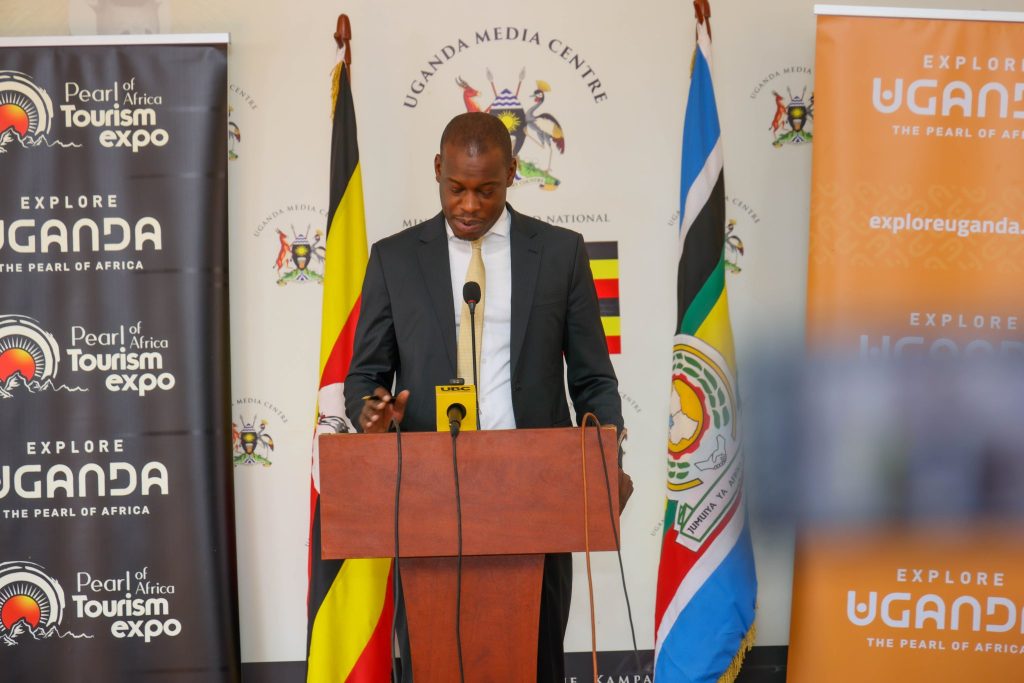
Speaking ahead of the celebrations, the Minister of State for Tourism, Wildlife and Antiquities, Hon. Martin Mugarra Bahinduka, emphasized the importance of this year’s theme, “Medicinal and Aromatic Plants: Conserving Health, Heritage and Livelihoods.”
“This theme calls us to recognize the fundamental interconnections between biodiversity conservation, human well-being, and sustainable development. Medicinal and aromatic plants are not just botanical resources; they are the foundation of traditional healthcare systems, a source of ancestral knowledge, and an economic lifeline for millions of rural communities,” Hon. Mugarra said.
Under the Uganda Wildlife Act, Cap 315, wildlife is defined to include all wild plant and animal species indigenous, migrated to, or introduced in Uganda, highlighting the critical role plants play in the country’s conservation framework.
Globally, medicinal and aromatic plants are central to healthcare, culture, and economies. About 80 percent of people in developing countries rely on plant-based traditional medicine for primary healthcare. An estimated 60,000 plant species are used worldwide for medicinal, nutritional, and aromatic purposes, with around 500,000 tons traded annually. Despite a global traditional medicine market valued at USD 60 billion and growing at seven percent per year, nearly 90 percent of these plants are still harvested from the wild, posing serious threats to ecosystems.
In Uganda, traditional medicine continues to contribute significantly to community wellbeing and livelihoods. A World Health Organisation report estimates that about 80 percent of the population depends on herbal medicine. Key medicinal plants commonly used include Vernonia amygdalina, Albizia coriaria, Bidens pilosa, Prunus africana, and Warburgia ugandensis.
The minister noted that medicinal and aromatic plants are deeply tied to cultural heritage and provide income through harvesting, processing, and trade, particularly benefiting rural communities and women. However, he cautioned against overexploitation, stressing the need for regulation, sustainable cultivation, fair market access, and benefit-sharing.
Medicinal and aromatic plants face numerous conservation challenges, including unsustainable harvesting, habitat loss, climate change, loss of traditional knowledge, weak regulation, and poor monitoring.
Hon. Mugarra called for collective action, saying the conservation of medicinal and aromatic plants represents an opportunity to protect biodiversity, strengthen healthcare systems, preserve cultural heritage, and build resilient societies.
He urged all Ugandans, together with conservation and tourism partners, to actively promote and participate in the activities marking World Wildlife Day 2026.
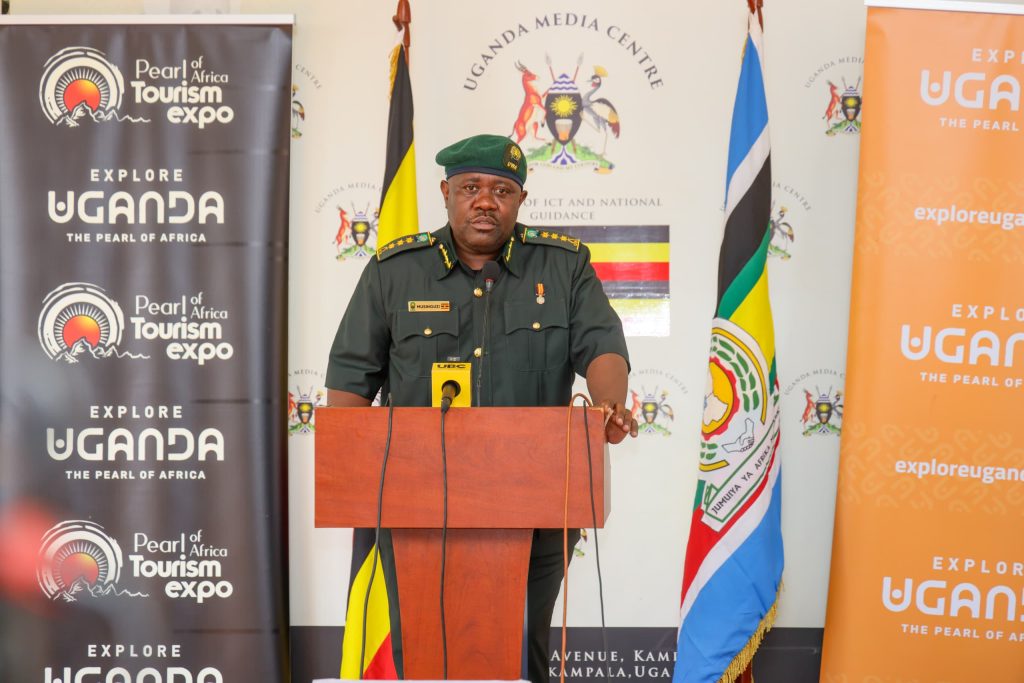
On his part, the Executive director, Uganda Wildlife Authority Dr.James Musinguzi, has highlighted a series of activities leading up to World Wildlife Day 2026.
“These activities have began today with a media launch @UgandaMediaCent, followed by primary and secondary schools’ conservation competitions that will be on 23rd and 27th February, and tertiary and university students’ conservation competitions on 25th February,” he said.
The Conservation Media Awards will also take place on 25th February, alongside the National Crane Festival on 24th February at Masaka Liberation Grounds. A National Wildlife Conservation Conference is scheduled for 26th February.
The activities will culminate in a Wildlife Conservation Marathon on 1st March at Kitante Primary School, before the main day celebrations on 3rd March, featuring conservation awards, exhibitions, and main celebrations.